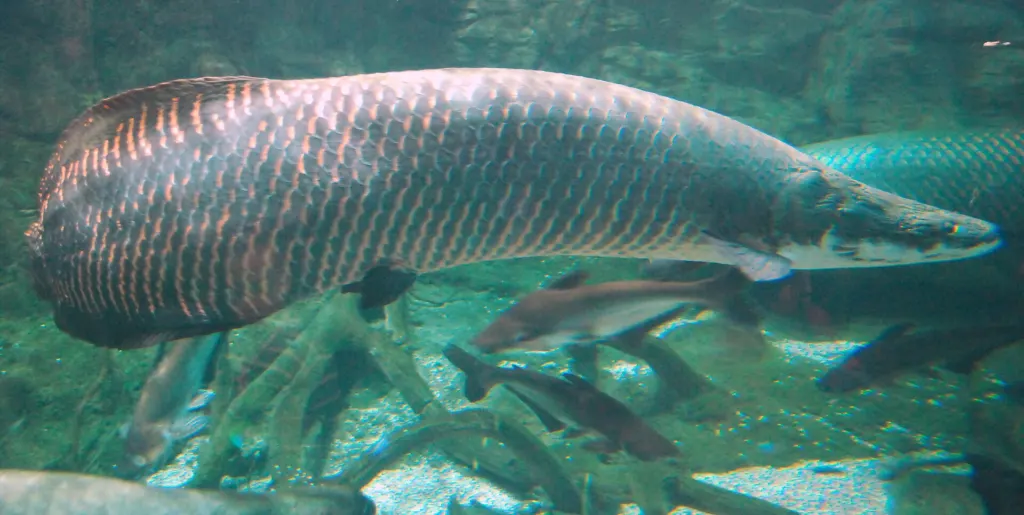
Across 214 species of land animals in one study, 42 were plant-eating prey, and 36 had horizontal pupils; of 65 front-eyed ambush predators, 44 had vertical slits. Those two numbers, from a 2015 paper in Science Advances, are the real answer behind a Hindi-language YouTube Short from @KnowledgePointIQ asking why animal eyes come in different shapes. The viral feed credits the clip with 3.86 million views; when Badiyaa opened it on Monday evening it showed about 94,000 likes and just over 1,000 comments.
The study, led by Martin Banks, a professor of optometry at the University of California Berkeley, with physicist Gordon Love and colleagues at Durham University in England, was published on August 7, 2015. Banks said he spent hours at the Oakland Zoo watching goats and antelope put their heads down to eat, “often surrounded by school kids on field trips.” Its title asks the question directly: “Why do animal eyes have pupils of different shapes?” The team’s answer is that the shape of the hole in the iris tracks how an animal makes a living and when it is awake.
Guess the animal from its eye
Treat the next time you meet an unfamiliar eye as a quiz. The rules, as the Berkeley group laid them out:
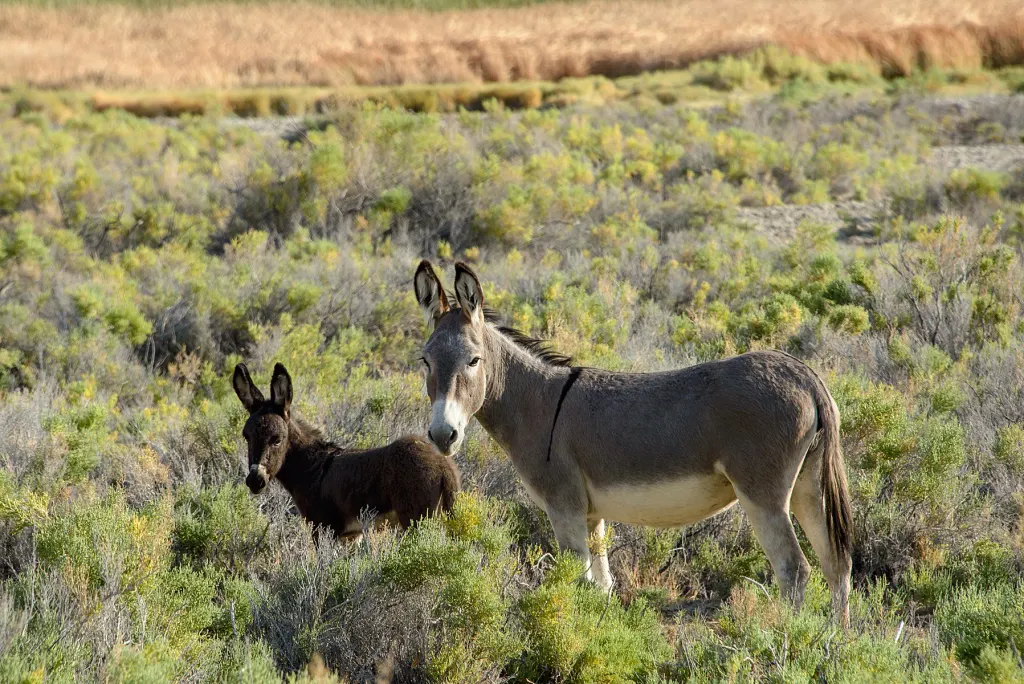
- Horizontal, letterbox-shaped pupil: almost certainly a grazing prey animal with eyes on the sides of its head. Think goat, sheep, horse, deer. Of 27 land-dwelling prey species the researchers measured, 26 had their eyes angled more than 87 degrees apart.
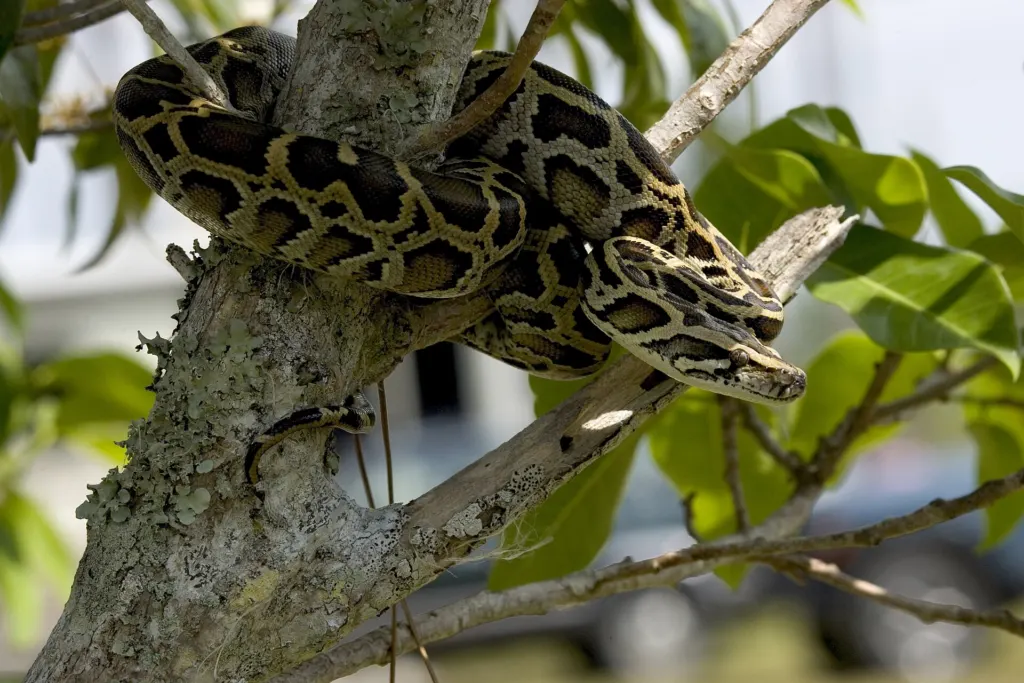
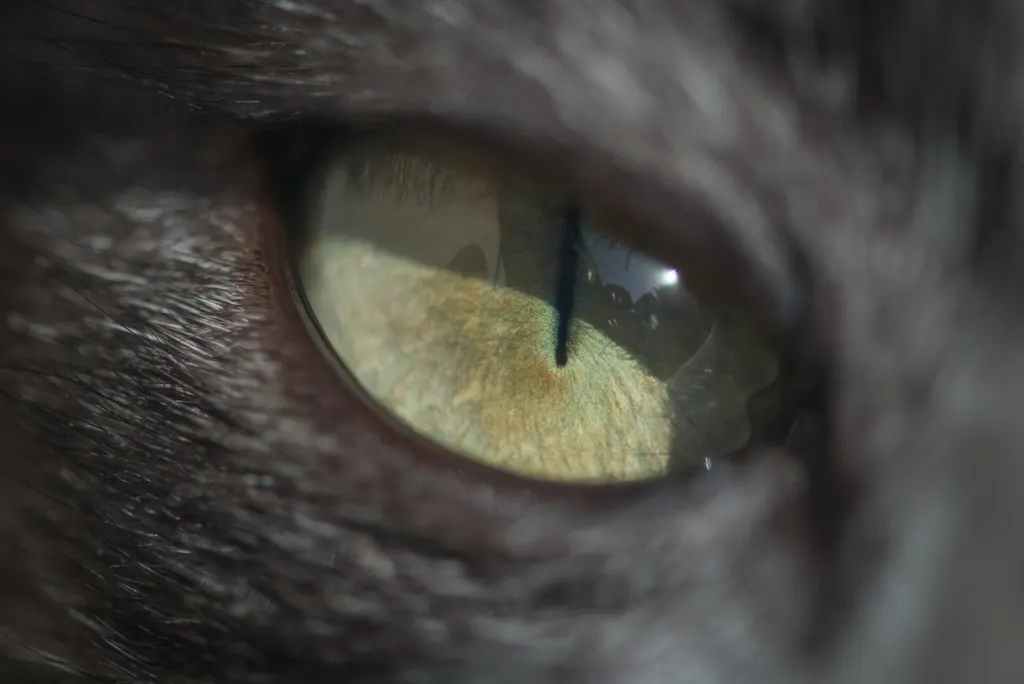
- Vertical slit: very likely an ambush predator that hunts by day and night, and probably a short one. Domestic cats, foxes, many snakes and geckos qualify.
- Round pupil: an active hunter, often one that runs its prey down by daylight, or a tall one. Wolves, dogs, tigers and humans all fit, and nearly every bird.
The height rule is the study’s most surprising finding. Among the 65 frontal-eyed ambush hunters in the database, 82 percent of those with vertical pupils stood less than 42 centimeters (about 16.5 inches) at the shoulder, while only 17 percent of the round-pupil ambushers were that short. That is why a house cat has slits and a tiger does not; the lynx sits in between.
How the slit works
A slit pupil can shut far tighter than a round one. A cat’s pupil changes its area about 135-fold between dark and bright, a gecko’s about 300-fold, a human’s only about 15-fold, so a slit suits an animal that hunts in both moonlight and noon sun. But that explains elongation, not direction. The orientation answer is about judging distance without moving.
An ambush predator cannot bob its head to gauge range, because that gives it away. It relies on two-eyed stereo vision, which works best on vertical edges such as an upright mouse, and on the blur of objects nearer or farther than the focus point. A vertical slit keeps vertical contours sharp over a range of distances while letting horizontal contours along the ground blur in a graded way, and the brain can read that blur gradient as distance. The two cues cover each other’s blind spots.
A short animal sees a steeper blur gradient across the ground than a tall one, which is the study’s explanation for why slits concentrate in low-slung hunters.
Why grazers look sideways
For a sheep, the problem is reversed. Eyes on the sides of the head give a nearly all-round view to spot an approaching wolf, but each eye must also see clearly enough straight ahead to run over rough ground. Modeling a sheep’s eye, the researchers found that a horizontal pupil sharpens horizontal contours in front of and behind the animal and captures more light along the ground while admitting less from the dazzling sky above. Many grazers add a comb-like fringe at the top of the pupil, the corpora nigra, as a built-in sun visor; a sheep can carry up to 20 of these bumps.
One test Badiyaa likes: watch a goat lower its head to eat. The Berkeley team went to farms and zoos to film sheep, goats, horses, white-tailed deer and moose, and found that as the head pitched down by about 70 degrees, the eyes rolled in their sockets to keep the pupil’s long axis level with the ground, with a gain of at least 0.7.
Limits
The study is a correlation across a database, not an experiment on living animals, and nearly half the species in it were snakes; the authors report the pattern held when snakes were removed. The data covered land animals only, and no land species with a diagonal pupil turned up. Oddities such as the cuttlefish’s W-shaped pupil and the gecko’s row of pinholes fall outside the three-way rule. And exceptions exist: the rabbit is lateral-eyed prey with round pupils, and the black skimmer is the lone bird known to have a slit, a vertical one, suited to skimming water at dusk.
The Short’s version of all this is simplified, as 60-second explainers are, but its core claim matches the paper. Banks and his co-authors put their species list and an interactive chart in the paper’s supplementary files, published alongside the article on August 7, 2015.
Further reading
- Science Advances: Why do animal eyes have pupils of different shapes? (Banks et al., 2015)
- Wikipedia: Pupil
- UC Berkeley: Pupil shape linked to animals' place in ecological web
Image: Faris Algosaibi, CC BY 2.0 via Wikimedia Commons
This article was produced with AI assistance and reviewed by our Editorial Desk. How we work.