On November 7, 1983, NATO staffs began rehearsing the release of nuclear weapons in a command-post war game called Able Archer 83. The exercise was a simulation. Yet a top-secret US review written seven years later concluded that the United States “may have inadvertently placed our relations with the Soviet Union on a hair trigger.”
That review, by the President’s Foreign Intelligence Advisory Board, rests on more than 75 interviews and runs 94 pages. It stayed classified until 2015, after a 12-year declassification fight by a research archive based at George Washington University.
What made 1983 different
Able Archer ran every year. The 1983 edition had changes that declassified NATO and US Air Force records spell out. A radio-silent airlift carried 19,000 US soldiers to Europe on 170 flights during the wider Autumn Forge maneuvers. Commands shifted to alternate war headquarters. Staff practiced new nuclear release procedures, and some US aircraft taxied out carrying realistic dummy warheads.
Moscow was already primed. Since 1981, its intelligence services had run Operation RYaN, a hunt for signs of a surprise Western missile strike the West never planned to launch.
The board’s account of the Soviet response is specific. More than 36 Soviet intelligence flights went up, far above earlier exercises. Other flight operations were suspended from November 4 to 10, probably to keep aircraft ready. Nuclear weapons were moved by helicopter from storage to delivery units. A later memo from Lt. Gen. Leonard Perroots said the 4th Air Army’s alert “included preparations for immediate use of nuclear weapons.”
The officer who did nothing
Perroots, then the top US Air Force intelligence officer in Europe, chose not to raise Western alert levels in reply. The board called that choice “fortuitous, if ill-informed,” writing that officers “acted correctly out of instinct, not informed guidance.” In his January 1989 memo he asked what might have followed had the West begun a precautionary generation of forces.
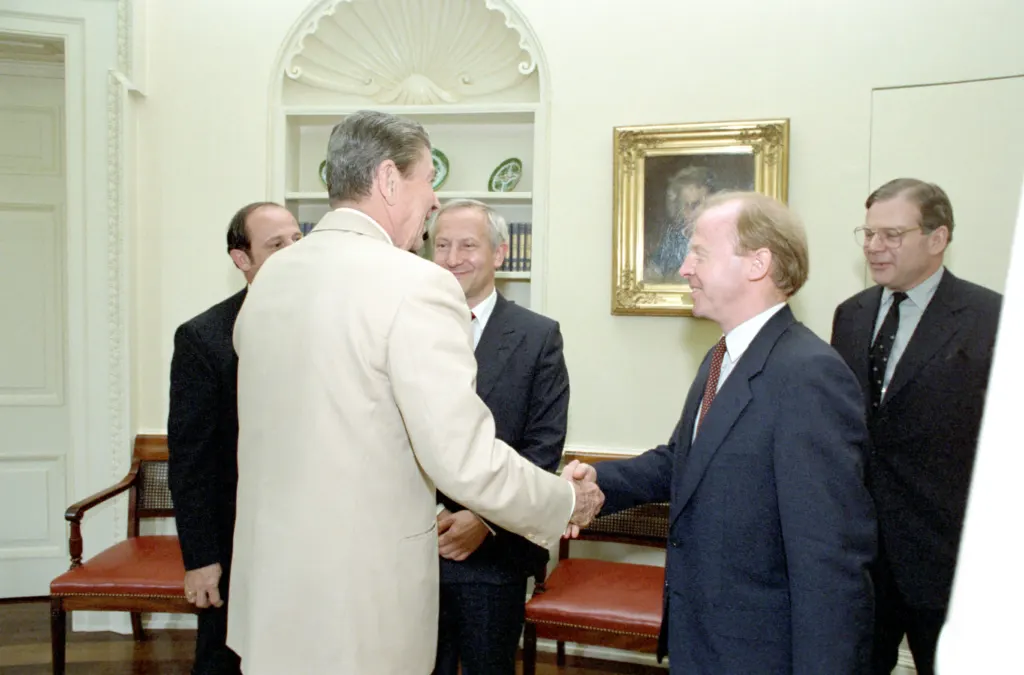
Washington barely noticed at the time. No President’s Daily Brief mentioned the exercise or the Soviet reaction while it ran, according to the board. Ronald Reagan, shown the evidence in 1984, called it “really scary.”
How the record came out
- May 1984: a US intelligence estimate says Soviet leaders do not perceive “a genuine danger of imminent conflict or confrontation with the United States.”
- January 1989: Perroots circulates his retirement memo.
- February 1990: the advisory board delivers its report, overturning that confidence.
- October 2015: the report is released, 25 years after it was written.
- February 2021: the State Department publishes the Perroots memo in its official history series.
- January 2025: the volume is republished with those 15 pages gone, the archive says, after a court upheld CIA withholding of an original copy.
How close was it
Historians still argue. Some scholars, including Duke University’s Simon Miles, dispute that the episode nearly led to war, and Soviet archives remain largely closed. A 1986 CIA paper admitted it could not say to what degree the scare “represented a real fear of imminent nuclear war.”
The board was less hedged: “There is little doubt in our minds that the Soviets were genuinely worried by Able Archer.” The drill closed on November 11, 1983. One week later Reagan wrote in his diary that the Soviets were “so paranoid about being attacked” that someone should tell them no one planned to do it.
Further reading
- Declassified: The Soviet War Scare report, 1990
- Able Archer 83 records removed from the US official history
- Wikipedia: Able Archer 83
Image: Mary Anne Fackelman (White House photographer), Public domain via Wikimedia Commons
This article was produced with AI assistance and reviewed by our Editorial Desk. How we work.