One machine, one inventor, and the price of a pair of shoes in America dropped by half. Jan Ernst Matzeliger, a young mechanic from South America working in a Massachusetts shoe factory, patented an automatic shoe-lasting machine on March 20, 1883, and it did the job of several skilled hand workers at once.
The numbers are startling. A good hand laster could finish about 50 pairs in a ten-hour shift. Matzeliger's machine turned out between 150 and 700 pairs a day, according to his Wikipedia biography, which credits the invention with cutting shoe prices nationwide by half.
What lasting actually means
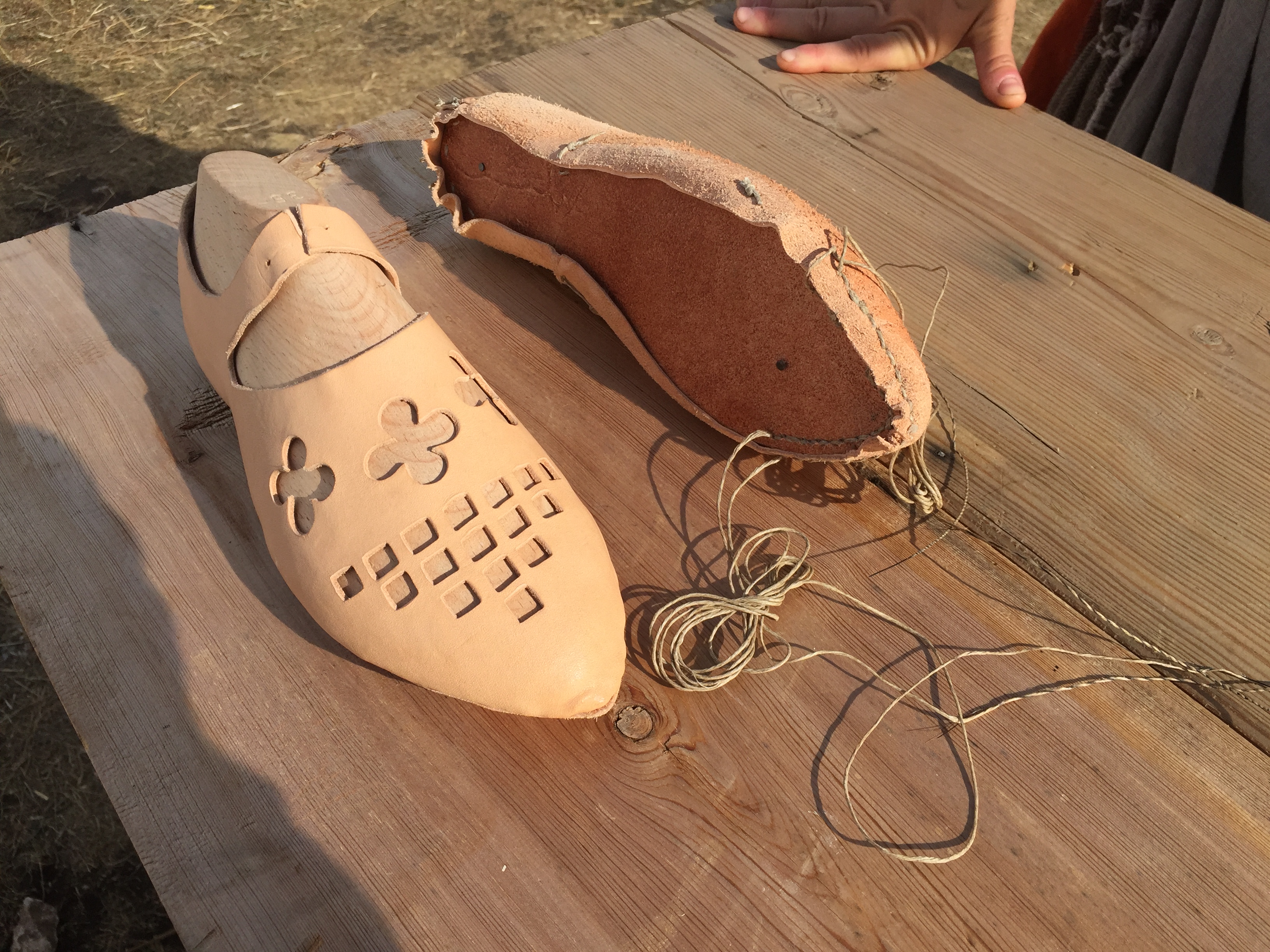
Lasting is the fiddly step where the upper of a shoe is stretched tight over a foot-shaped wooden form, the last, and fastened to the sole. Doing it by hand took skill and time, which is why one laster's daily total of about 50 pairs set the pace for a factory.
Matzeliger cracked it. His patent, number 274,207, was titled "Automatic method for lasting shoes," and he followed it with more patents for a nailing machine and for a device that separated and fed tacks.
From a Paramaribo shipyard to Lynn
He was born on September 15, 1852, in Paramaribo, in what was then Dutch Guiana and is now Suriname. His father ran the family's Colonial Shipworks; his mother was an enslaved woman of African descent. At ten he was apprenticed in the shipyard, where he showed a gift for machinery.
At 19 he went to sea as a mechanic on a Dutch merchant ship, then settled in Philadelphia, where he first learned shoemaking. By 1877 he had picked up enough English, his second language after Dutch, to move to Massachusetts and the heart of the American shoe industry. He found work at the Harney Brothers shoe factory and made his home in Lynn.
His timing could not have been better. The history of Lynn, Massachusetts records that by the start of the 20th century the city led the world in shoemaking, with 234 factories producing more than a million pairs a day, a boom it credits partly to the mechanization Matzeliger brought.
The payoff he never saw
Here is the bitter twist. Matzeliger died of tuberculosis in Lynn on August 24, 1889, only 36 years old, and never collected the full rewards of his machine. The Consolidated Lasting Machine Company was set up to build his devices, and in 1899 it became part of a giant merger. The United Shoe Machinery Corporation, formed from Consolidated McKay Lasting Machine and two other firms, went on to make about 85 percent of all shoemaking machines in the United States.
Several of his patents were granted after his death, the last in the early 1890s. Do the math: the March 1883 patent arrived when he was 30, which left him barely six years to see it change an industry.
Remembered on a stamp
Recognition came slowly but it came. The US Postal Service issued a 29-cent stamp of Matzeliger on September 15, 1991, his 139th birthday, as part of its Black Heritage series, and he was inducted into the National Inventors Hall of Fame in 2006, as his biography notes.
He sits in a line of Black inventors whose work powered American industry. Badiyaa has told the stories of Granville Woods, the Ohio inventor called the Black Edison, of Elijah McCoy and his train engine oiler, and of Lewis Latimer's carbon filament patent.
Sources
- Jan Ernst Matzeliger, Wikipedia, 2026
- Lynn, Massachusetts, Wikipedia, 2026
- United Shoe Machinery Corporation, Wikipedia, 2026
Image: bjornfalkevik, CC BY-SA 4.0 via Wikimedia Commons
This article was produced with AI assistance and reviewed by our Editorial Desk. How we work.