A gray-brown cygnet strolled onto the A1, Britain’s longest numbered road, and the traffic simply stopped. A rescuer from The Waterfowl Sanctuary, a small charity in Cambridgeshire, England, dropped a long-handled net over the bird in one movement while police held the lanes, and the clip of that moment has now passed 14.9 million views on YouTube Shorts.
The Short, posted by @thewaterfowlsanctuary on October 16, had been played 14,916,918 times and liked about 185,000 times when we checked it over the weekend, with more than 3,000 comments underneath. Nothing about it looks staged: the camera shakes, the police car is already parked across the carriageway, and the bird sits in the verge exactly where the first caller said it would be.
What the rescuer said happened
In the caption, the charity explains that a motorist spotted the young swan wandering on the road while cars had stalled around it, then saw it walk into the verge as traffic started moving again. The sanctuary was called and the rescuer set off at once. Officers overtook on the way, which meant the lanes were already closed when the net came out.
The charity says that a net of that size makes these pick-ups “almost always perfectly executed,” and this one went without a fight. The cygnet was unhurt, which prompted the inevitable pun that he was “A1,” and it was driven to a swan colony at St Neots, a market town on the River Great Ouse.
Why young swans keep landing on roads every autumn
This is the Badiyaa explainer, built from the species’ own biology. Mute swan cygnets hatch between May and July, and young birds can get airborne 60 to 65 days later, although they do not fully fledge until 120 to 150 days old. That puts the first clumsy flights of this year’s brood squarely in October and November.
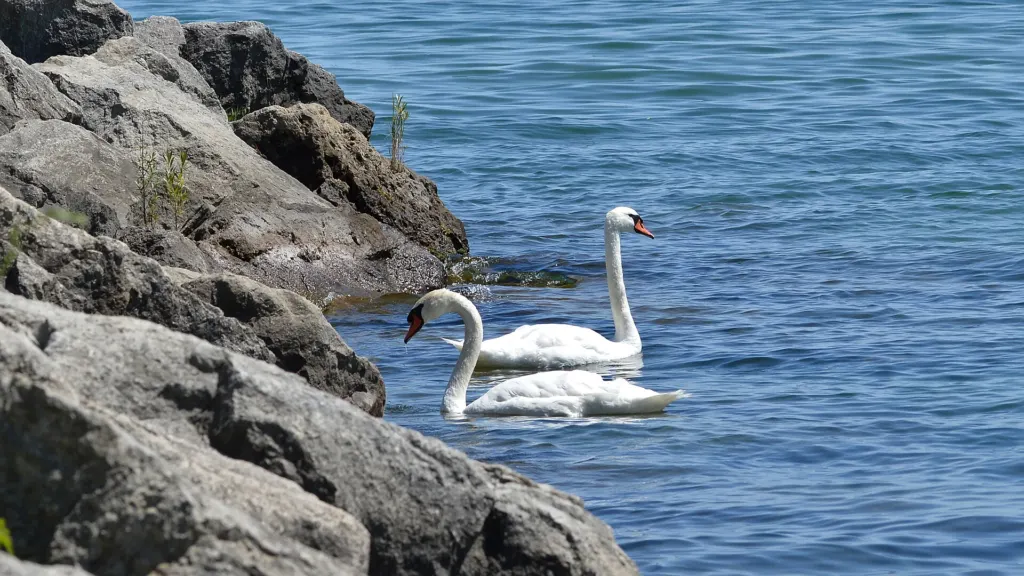
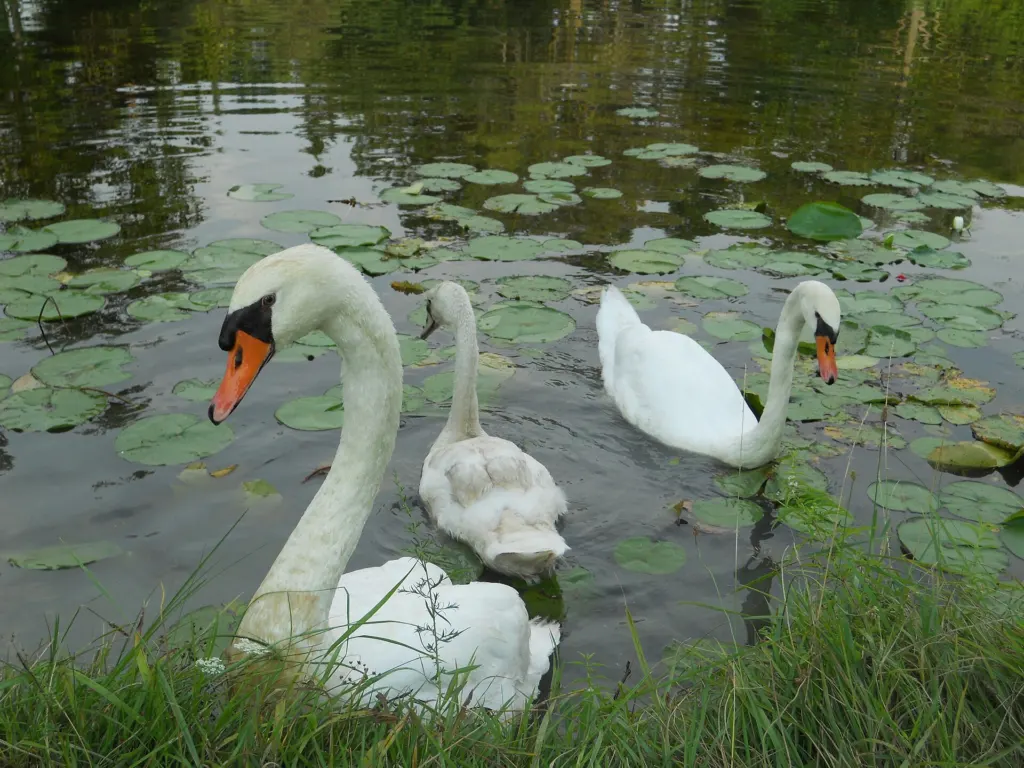
A first-year swan still wears gray feathers and a dull gray-black bill, and it is learning two separate skills at once: how to fly and how to land. The sanctuary’s own caption makes the point bluntly, saying retrievals of young swans “will be a daily occurrence for a month or more as they begin to learn how to fly….and hopefully – where to land!” A long, wet, dark stretch of dual carriageway can look like a river from the air, and a bird that comes down on it has no runway to take off again, because mute swans need a running start of around 30 mph to lift their 20-plus pounds into the air.
The UK holds about 6,500 breeding pairs and some 50,500 wintering birds, and the RSPB notes that first-year birds are gray-brown with a dull pinkish beak, which is exactly the drab youngster in the clip. Roads already feature on the list of hazards for the species. Collisions with power lines and lead poisoning are the big recorded killers, while in Britain the swan has an unusual layer of legal protection because unmarked mute swans on open water historically belong to the Crown.
What to do if you find one
- Do not try to herd a swan off a fast road yourself; a frightened cygnet runs into traffic rather than away from it.
- Pull over safely, call the police non-emergency number if the bird is blocking a live lane, and give the exact junction or mile marker.
- Then call a local swan or wildlife rescue. The Waterfowl Sanctuary lists 03333 442260 on its website for its area of Cambridgeshire and Bedfordshire.
- Keep dogs and children well back and watch where the bird goes, because the rescuer’s first question will be where it was last seen.
The A1 runs 410 miles from the City of London to Edinburgh, and its Cambridgeshire stretch passes St Neots, Buckden and Alconbury, farmland threaded with rivers and gravel pits where swan families breed. With this year’s cygnets still learning to land, the sanctuary expects to be back on that verge, net in hand, many more times before December.
Further reading
Image: Agape Yojimbo, CC0 via Wikimedia Commons
This article was produced with AI assistance and reviewed by our Editorial Desk. How we work.