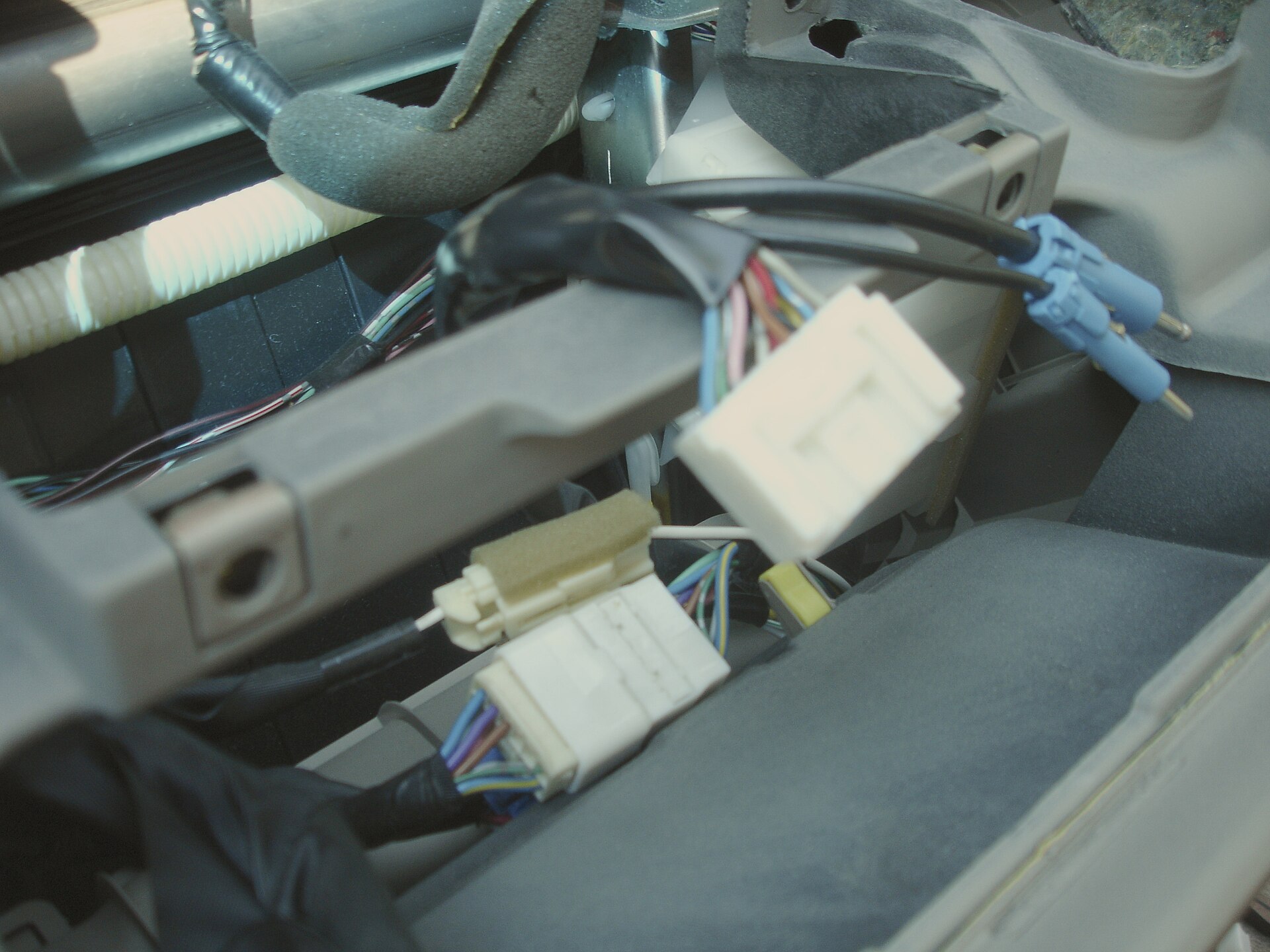
Japan's carmakers count about 70,000 different types of wire harness across their global operations, and they now want to shrink that number. Toyota, Nissan, Honda and the other members of the Japan Automobile Manufacturers Association (JAMA) have agreed to standardize three of the most common materials and parts in their cars: steel, resin and wire harnesses.
The plan was laid out at JAMA's November 19 press conference in Tokyo, where a supply-chain task force led by Keisuke Honma of Toyota, who chairs JAMA's procurement committee, explained what each team will tackle first. The goal, the association said, is to free up money and engineers for new technology rather than spending them on dozens of slightly different versions of the same part.
Who is in the group
JAMA has 14 member companies, according to the association's Wikipedia entry. Alongside the big three of Toyota, Nissan and Honda, the list takes in Suzuki, Subaru, Mazda, Mitsubishi, Daihatsu, Isuzu, Hino, Fuso, UD, Yamaha and Kawasaki, so truck and motorcycle makers are part of the effort too. Its chairman, Koji Sato, is Toyota's vice chairman.
What changes, part by part
- Steel: the team, led by a Mazda manager, plans to merge materials bought in small volumes, unify the extra requirements each automaker adds on top of the Japan Iron and Steel Federation's standards, and agree on one set of quality tests.
- Resin: the group, led from Subaru, will focus on recycled plastics, keeping more of them in circulation inside Japan and setting common quality standards and test methods for them.
- Wire harnesses: under a "ONE OEM" banner, makers will use more aluminum wire to cut copper use and weight, and reduce the number of wire types. They also want to align details that differ slightly from company to company, such as the exact shade of orange used to mark high-voltage cables and the force needed to push connectors together, and to automate more harness production.
Steel and resin were picked because they appear all over a car's body, interior and exterior and take up a big share of the cost. Wire harnesses were chosen for a different reason: they still involve a lot of hand assembly, so their cost keeps rising.
Why now
JAMA's presenters listed a shrinking workforce, a rising share of exports, the weak yen and the spread of trade blocs as pressures on the industry. They also said the work would proceed with close attention to Japan's antitrust law, and that cooperation is a means to make each company more competitive, not a goal in itself. The Japan Auto Parts Industries Association, represented on stage by Toyoda Gosei and Yazaki, has signed on.
The move builds on smaller partnerships. On August 31, Nissan and Honda signed a deal to jointly develop the core electronic control units and software for their next software-defined vehicles, set for cars from fiscal 2029, according to the companies' joint announcement.
Tracking parts has a long history in Japan's car industry: a Toyota group supplier invented the QR code to label components, as Badiyaa explained in our explainer on Denso Wave's car-parts grid. For more on the companies involved, see our stories on the Honda Super Cub's 100 million production run and Toyota's revived Scion brand.
The first public showcase of the group's work will be the Japan Mobility Show 2027, which JAMA says runs for 11 days, from October 28 to November 7, at Tokyo Big Sight.
Sources
- Press conference, November 19, 2026, Japan Automobile Manufacturers Association, 2026
- Japan Automobile Manufacturers Association, Wikipedia, 2026
- Nissan and Honda joint development agreement on ECUs and software (news release), Honda Motor Co. and Nissan Motor Co., 2026
Image: Zuzu, CC BY-SA 3.0 via Wikimedia Commons
This article was produced with AI assistance and reviewed by our Editorial Desk. How we work.