The perfect princess photo? Fake. The store-bought costume? Fake. The glossy porch behind it? Also fake. On TikTok, people are now proudly confessing that their cutest throwback snaps were doctored, and the punchline lands on the final swipe with three words: “I’m so sorry.”
The “I’m so sorry” slideshow has become one of the loudest formats on the app this October, with Halloween costume reveals driving a fresh wave. Single posts are pulling millions of views in a day or two. And a growing chunk of viewers is asking an awkward question: how many of those dreamy opening photos were built by AI?
How the swipe-by-swipe confession works
The format is simple and cruel. Slide one shows an impossibly polished picture. Each swipe strips away one improvement, a hairstyle here, a background there, until the final slide shows the untouched original and the poster apologizes for the lie.
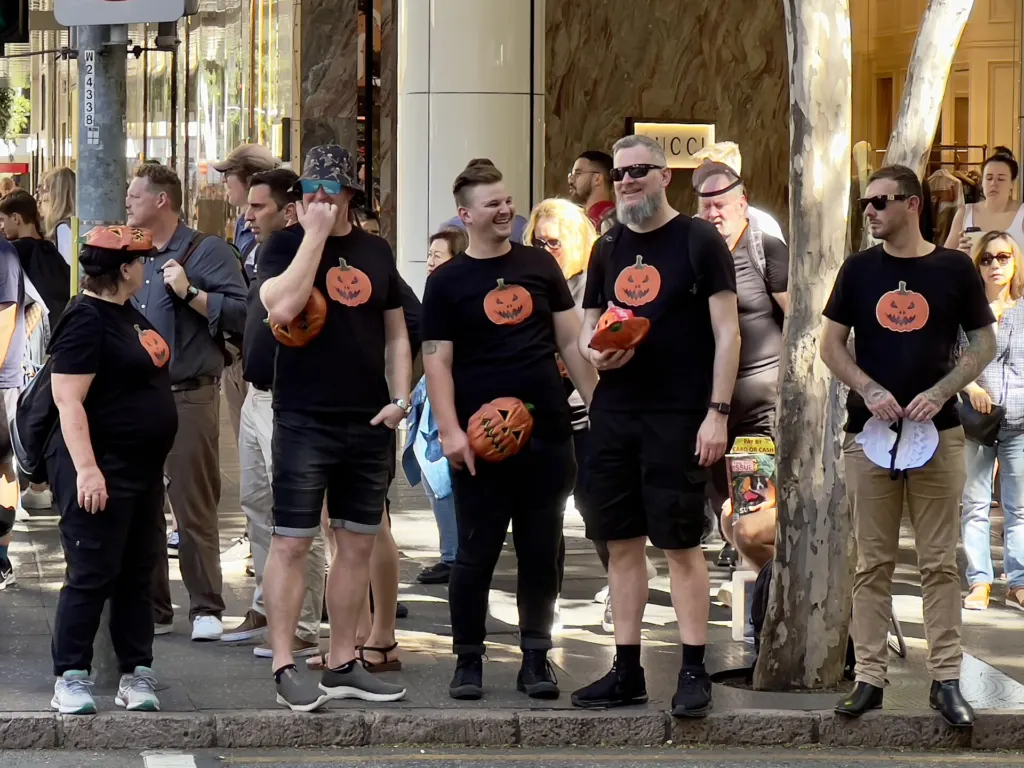
Halloween turned it into a sport. In the costume versions, the opening shot looks like a catalog photo, and the real picture underneath reveals a costume that was far more homemade, or far more questionable in hindsight, than anyone expected. Other people run the same trick on yearbook portraits and old family snapshots. The carousels usually play over Harry Styles’ “Coming Up Roses” or Prince’s “Purple Rain,” although one paid-tool maker that studied the top posts says the most popular ones use two “original sound” tracks instead.
Where it started: a fake girlfriend
One of the earliest known examples did not involve a costume at all. On August 22, TikToker @theywanthunter posted a carousel that opened on a couple with the caption “Happy 2 years bae.” Swipe, and the woman turns out to be edited in. Keep swiping, and the man himself loses his muscles and hair. That post has passed 25.6 million views.
The wave built through September and exploded in October. A Halloween reveal posted on October 20 gathered more than 2.1 million views in two days, and a post about a homemade costume helmet built by the creator’s brother hit more than 2.9 million views within a day of going up on October 21. By the end of this week, French-language explainers were walking readers through the format step by step.
Is it real? Mostly no, and that is the joke
Nobody is pretending the first slide is genuine. Tutorials tell users to start from the real photo, run it through any AI image editor to create a “perfect” version, then add the edits back one at a time and post the images in reverse order.
One company that sells a paid generator for the trend tested the process on October 22 using AI-made stand-in snapshots rather than real family pictures. It ran three popular image-editing models on three fake costume photos, and none of the nine edits was refused. The fastest model returned a polished costume picture in 26 to 36 seconds. The company also says the most-viewed original post it found carries TikTok’s label for AI-generated content, and that its own test witch came out looking strikingly like the AI witch in that post.
So when the opening shot looks a little too flawless, the safe bet is that a model did the dressing up.
The numbers behind the madness
Here is how hot the original still runs. That first fake-girlfriend post collected 25.6 million views in roughly two months, from August 22 to late October. Spread over about 61 days, that works out to 25,600,000 divided by 61, or around 420,000 views every single day, for a slideshow of three or four still pictures.
The backlash: whose photos are going into the AI?
Most viewers are loving it. “The ‘I’m sorry I lied’ trend on TikTok has to be the funniest trend ever,” one user wrote. Another said the reveals were “actually making me feel better about my childhood photos.”
Not everyone is laughing. “Why do we keep normalizing uploading pictures of children into a public AI?” one critic asked. The worry is concrete: depending on the service and its settings, uploaded images can be retained or used to train AI models, and once a photo is public, anyone can copy and alter it. UNICEF has warned that real photographs of children are being manipulated into sexually explicit deepfakes. That does not mean joining the trend leads to abuse, but it explains why some viewers want the joke made more carefully.
Before you post your own “I’m so sorry”
- Check the image tool’s settings first, because those settings decide whether your upload is kept or used for training.
- Use only your own childhood photos, never pictures of somebody else’s kids.
- Assume the final, real slide can be screenshotted and reused by strangers forever.
Even the paid-tool maker sets a line in its own rules: only photos of yourself as a kid or of your own child, with uploads deleted from its storage within two days.
Further reading
Image: Kgbo, CC BY-SA 4.0 via Wikimedia Commons
This article was produced with AI assistance and reviewed by our Editorial Desk. How we work.