The recipe behind the latest kitchen trend is short: the peels of two or three oranges and a few cinnamon sticks, covered with water and simmered for 10 to 15 minutes. What comes off the pot is a warm citrus-and-spice smell that fills a room for as long as the water keeps steaming.
The simmer pot, also called stovetop potpourri, has been circulating again on lifestyle feeds this fall, usually with a list of promised benefits attached. The scent part is real. The rest needs sorting, and two safety points matter more than any of the claims: the stove, and the pets.
What the pot does, and what it does not
Heating the peel releases its aromatic oils into the steam, and cinnamon adds its own warm note. That is the whole mechanism, and it works as a short-lived room fragrance made from scraps that would otherwise go in the trash or the compost bin.
Some articles riding the trend go much further, saying the vapor helps purify indoor air or delivers brain and health benefits. The research they cite looked at compounds in citrus peel and cinnamon in laboratory settings, or at concentrated extracts taken as supplements over weeks, not at a saucepan of water on a home stove. Even one of the most enthusiastic write-ups concedes that the effect is not sterilization and that most findings come from the lab.
A useful comparison comes from the garden. Gabrielle LaTora, an agricultural entomologist with University of Georgia Cooperative Extension, has looked at whether orange peels keep insects away. Extracted citrus oils can repel pests, she said, but only at concentrations far above what a peel holds. “This means that your discarded orange peels are probably not potent enough to have much of a repellent effect,” she told the university’s news service. The same arithmetic applies indoors: the oils in a few peels thin out fast once they hit the air.
Safety point one: the stove
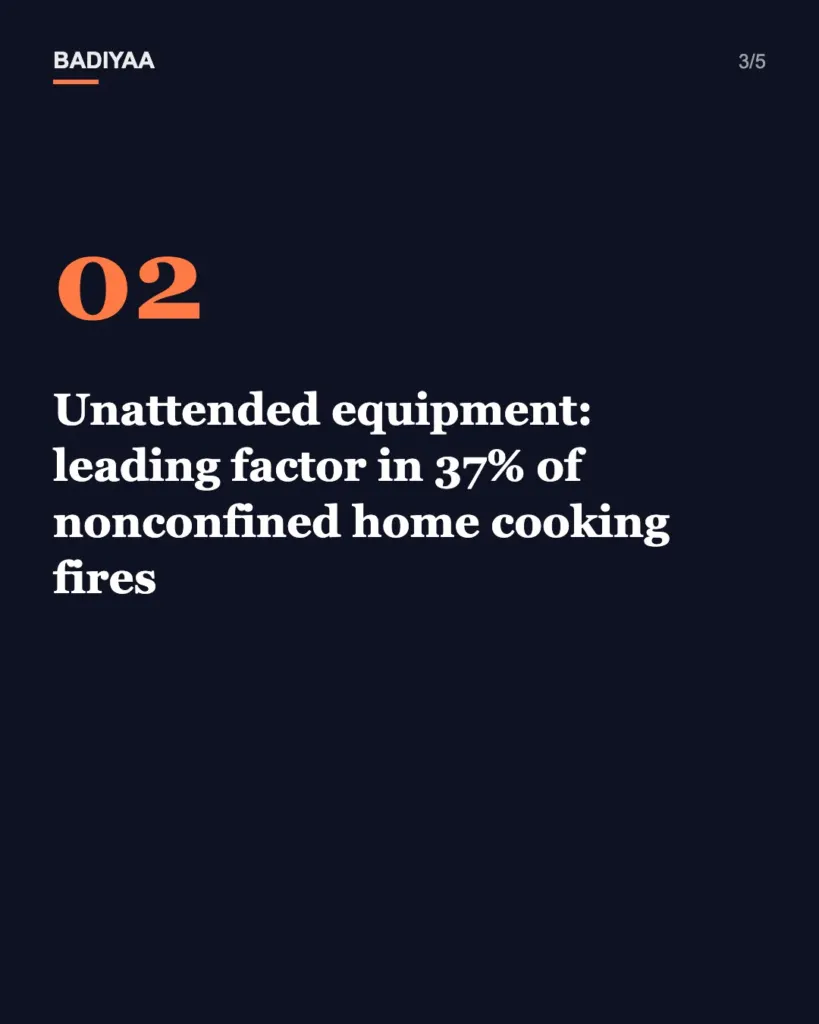
A simmer pot is an open burner left running for a long time, which is exactly the situation fire officials warn about. According to the US Fire Administration, cooking is the leading cause of home fires and home fire injuries, with an estimated 170,000 home cooking fires in 2021, and unattended equipment was the leading factor in 37% of the nonconfined ones. The agency’s rule is plain: if you leave the kitchen, turn the burner off.
In practice that means keeping the heat low, staying in the room, checking the water level, and turning pot handles toward the back of the stove so no one can knock the pan over. Do not leave the pot going while you are out or asleep.
Safety point two: cats and dogs
The ASPCA’s poison control listing for orange rates it toxic to dogs, cats and horses because of its essential oils and psoralens. The fruit itself is edible, but the skins and plant material can cause vomiting, diarrhea, depression and skin irritation, so used peels should go straight into a lidded bin or the compost, not into an open trash can.
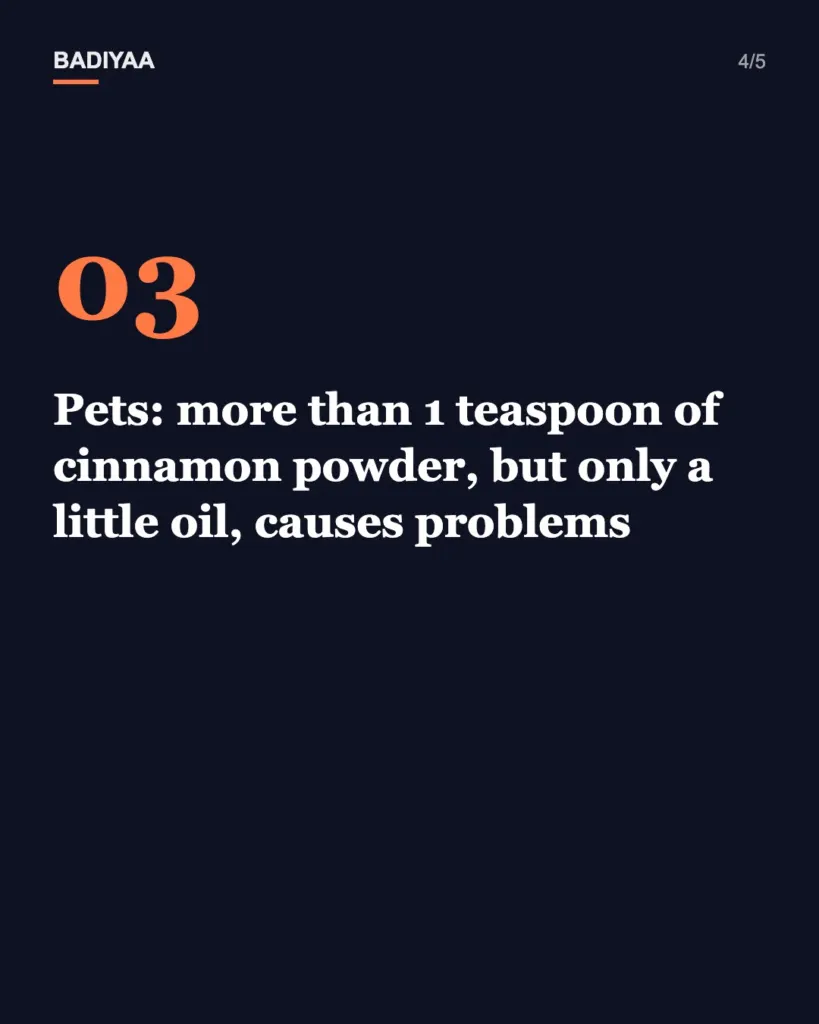
Cinnamon is a matter of dose and form. Veterinarians at Pet Poison Helpline say it takes more than a teaspoon of the powder to cause problems in most pets, but only a small amount of cinnamon essential oil. Too much of the powder, or any contact with the oil, can bring on vomiting, diarrhea, low blood sugar, liver disease and changes in heart rate. Cinnamon sticks left lying around are one of the ways pets get at it.
Cats are the most vulnerable. A veterinary guide written with Pet Poison Helpline lists cinnamon and citrus oils among those poisonous to cats, notes that cats have fewer of the liver enzymes needed to break these oils down, and warns that a cat can be exposed simply by tasting liquid potpourri while it simmers.
The common mistake
The most common upgrade people make is to add a few drops of orange or cinnamon essential oil to “boost” the scent. On the vet evidence above, that is the one change that turns a mild pot into a real risk for a cat. Keep it to whole peels and whole sticks, keep the pot out of a pet’s reach, and never leave it unattended.
If a pet does drink from the pot or eat the peels, the ASPCA’s poison line is (888) 426-4435 and Pet Poison Helpline is 800-213-6680; both may charge a fee.
Further reading
Image: Angela Huster, CC0 via Wikimedia Commons
This article was produced with AI assistance and reviewed by our Editorial Desk. How we work.
Spot an error? Help verify this story
The story in 5 slides