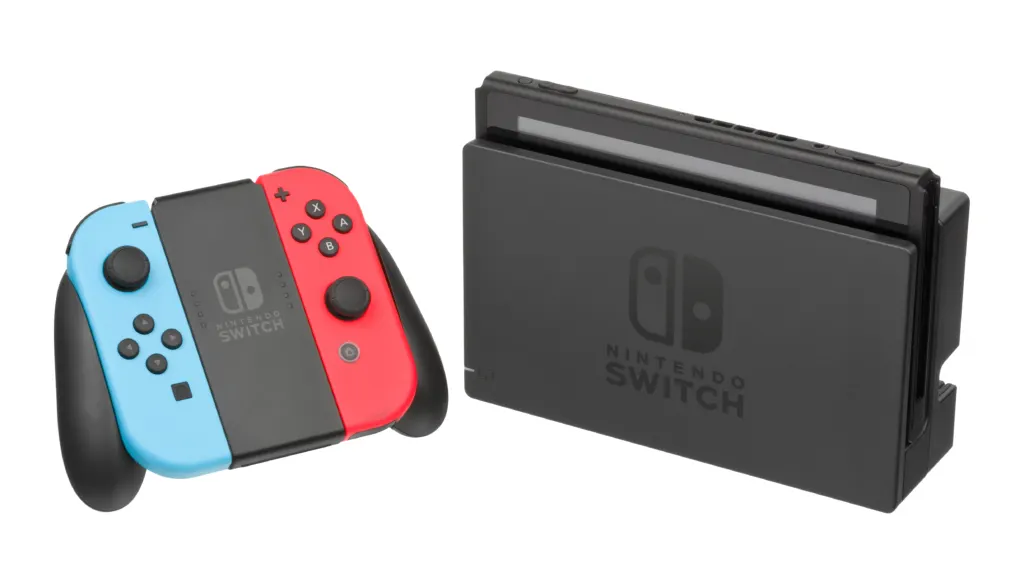
One takedown notice from Nintendo of America has wiped out a whole family of Nintendo Switch modchip code on GitHub. The notice named a single repository, Ansem-SoD/Picofly, but GitHub disabled 144 repositories in total, the parent plus its forks.
The notice is dated November 6 and now sits in GitHub’s public DMCA archive, where Nintendo’s Picofly notice is posted in full. GitHub’s note at the top explains the scale: the reported network held more than 100 repositories, and Nintendo told GitHub that most or all of the copies carried the same problem as the original, so the whole network went dark at once.
What Nintendo says the firmware does
Nintendo’s complaint is about circumvention rather than copied code. The notice lists firmware for four chips by name: SX Core, SX Lite, Picofly and HWFLY. Its key sentence reads: “The firmware allows Nintendo Switch modchips to illegally circumvent Nintendo’s TPMs in order to run illegal copies of Nintendo Switch games.”
TPMs are technological protection measures. According to the notice, those on the Switch include the console’s boot sequence and various cryptographic signatures, and the modchip firmware gets past them by bypassing that boot sequence. To show which games it is protecting, Nintendo cites US copyright registrations for Mario Kart 8 Deluxe, Animal Crossing: New Horizons, Super Smash Bros. Ultimate and The Legend of Zelda: Breath of the Wild.
How a modchip works, in plain terms
A modchip is a small board soldered inside a console. When the console powers on, the chip interferes with the checks the hardware runs before it will load software, which lets the machine boot code Nintendo never signed. Picofly-style chips are built around cheap, widely sold microcontroller boards, which is why the firmware, the software that tells the chip what to do, matters so much: anyone with the code and a soldering iron can build one.
That is also why the notice leans on the US Digital Millennium Copyright Act, whose Section 1201 anti-circumvention rules make it unlawful to traffic in tools built mainly to get around access controls. Nintendo quotes that language directly, citing 17 U.S.C. § 1201(a)(1) and (2), and points to a US federal case filed in 2020 as support.
Same day, more targets
Picofly was not the only project hit on November 6. In a separate filing, Nintendo’s notice against the Citron Neo emulator led GitHub to disable a network of 71 repositories, because the parent was being forked while the notice was processed. Two further notices that day each targeted a single copy of the yuzu emulator, the Switch emulator that shut down in 2024.
Gaming fans who follow the company closely will know this is one of several recent moves: Nintendo has also been tidying up its account systems, as in our report on Nintendo ending Google and Apple sign-ins for Nintendo Accounts, and it is hiring people to preserve its own past, as covered in our piece on Nintendo of America’s digital archivist job.
What happens next
A DMCA takedown is not a court ruling. GitHub’s process lets the owner of a disabled repository file a counter notice, and GitHub says it contacted owners and explained that option before disabling anything. If the Picofly owner files one, Nintendo would have to take the matter to court within a short legal window to keep the code offline. As of November 19, the 144-repository network remained disabled.
Sources
- DMCA notice: 2026-11-06-nintendo-2 (Picofly), GitHub / Nintendo of America, 2026
- DMCA notice: 2026-11-06-nintendo-4 (Citron Neo), GitHub / Nintendo of America, 2026
- Digital Millennium Copyright Act, Wikimedia Foundation encyclopedia, 2026
Image: Evan-Amos, Public domain via Wikimedia Commons
This article was produced with AI assistance and reviewed by our Editorial Desk. How we work.