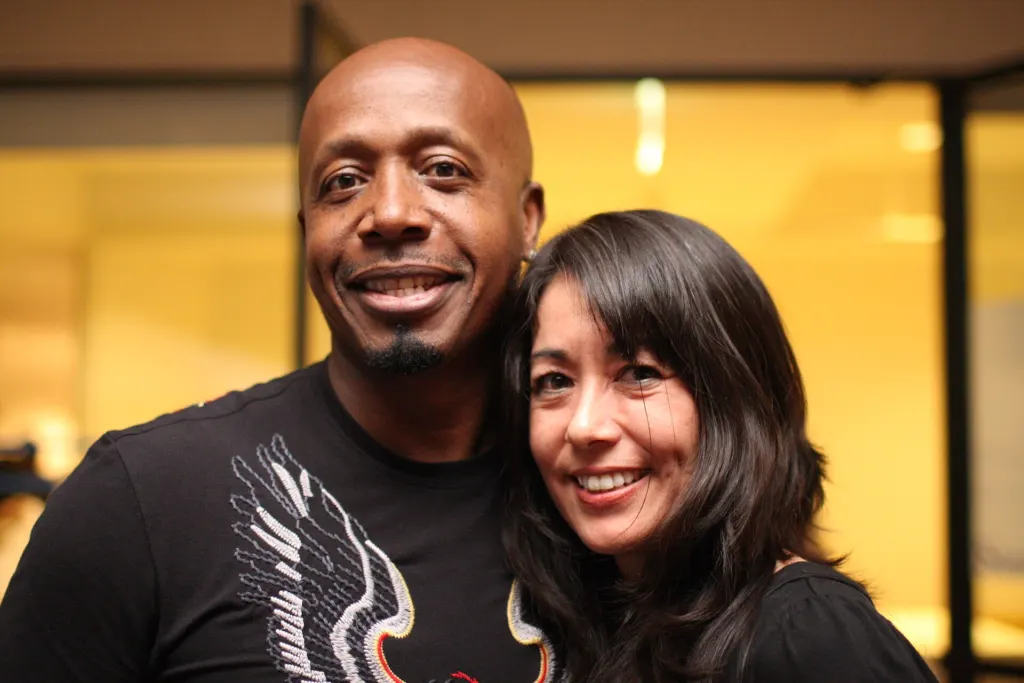
Capitol Records shipped an estimated 2.5 million copies of Too Legit to Quit on the day it came out, October 29, 1991, after spending $1.5 million on TV ads and another $1 million on store displays. MC Hammer, who had just dropped the “MC” and was billing himself simply as Hammer, was following Please Hammer Don’t Hurt ‘Em, which sold 14.5 million copies worldwide in its first year.
Released the same day as Big Daddy Kane’s Prince of Darkness, which peaked 55 places lower at No. 57, it was the commercial giant of that week. Thirty-five years later, the record is remembered for its hand-signal title track, an Addams Family tie-in and a strange distinction: it went triple Platinum in the US and still counted as a letdown.
The math behind the disappointment
Capitol had hoped for 10 million to 15 million copies, roughly what its predecessor did. The album passed 5 million worldwide. That is half the low end of the target and one-third of the high end. Against the 14.5 million that Please Hammer Don’t Hurt ‘Em sold in a year, it moved about 34 percent as many copies (5 divided by 14.5 is 0.34).
Triple Platinum and still short
The album opened at No. 3 on the US albums chart, selling more than 93,000 copies in the week ending November 16, 1991, then climbed to No. 2 a week later on 137,000. It never got to the top, but it stayed in the top five for 16 straight weeks and was certified triple Platinum by February 1993.
“2 Legit 2 Quit” reached No. 5 in the US. “Addams Groove,” from the soundtrack to The Addams Family, went to No. 7 in the US and No. 4 in the UK and picked up a Grammy nomination for Best Rap Solo Performance. At the far end of the market that same season, 2Pac’s debut 2Pacalypse Now entered the US albums chart at No. 197.
The biggest push in Capitol’s history
The marketing plan was the largest Capitol had ever run. The “2 Legit 2 Quit” video, one of the most expensive ever produced, brought in James Brown and sports stars such as Jose Canseco of the Oakland A’s and Isiah Thomas of the Detroit Pistons. Copies went to the home arenas of the 24 athletes in it, for scoreboard screens during games.
The stated aim was to hold the No. 1 album slot from release through Christmas. On December 7, 1991, Hammer hosted Saturday Night Live, the first rap artist to do so, giving the show its best rating in seven years.
A live band and very few samples
The music itself was a deliberate turn. Sessions began in August 1990, and in a February 1991 interview Hammer said he had spent about six months on the follow-up, planned to call it “Releasing Some Pressure” and expected it to be “more exciting” and “better quality”. That working title survived as track six.
Hammer and co-producer Felton Pilate wrote 11 of the 13 songs together. The two outside pieces were a cover of Timmy Thomas’s “Tell Me (Why Can’t We Live Together)” and the gospel standard “Do Not Pass Me By.” Hammer said a real live band cut the record, horn section included, and the album used far fewer samples than his earlier hits, blending pop rap and dance with gospel and R&B touches.
The tour widened the gap on the cost side. It opened with two sold-out nights at the 50,000-capacity Tokyo Dome in March 1992, with Boyz II Men, Jodeci and Mary J. Blige among the opening acts. Boyz II Men are still recording today, and Badiyaa covered how Boyz II Men signed with Warner Records Nashville for a country album. But Hammer’s show, packed with singers, dancers and backing musicians, cost more than record sales could cover, and it was called off partway through.
The “2 Legit 2 Quit” hand gestures caught on so widely that Andy Samberg’s character in Hot Rod later paid tribute to them, and the album’s videos were collected on DVD in 2002 as a 102-minute set.
Further reading
Image: Brian Solis, CC BY 2.0 via Wikimedia Commons
This article was produced with AI assistance and reviewed by our Editorial Desk. How we work.