Big Daddy Kane’s fourth album came out on October 29, 1991, the same Tuesday MC Hammer released Too Legit to Quit, and the two records could hardly have pointed in more different directions. Prince of Darkness, issued by Cold Chillin’ with Warner Bros., runs 61 minutes and 31 seconds across 15 tracks, and its most replayed moment is “Come On Down,” a three-way session with Q-Tip and Busta Rhymes.
Thirty-five years on, it gets far less attention than the Brooklyn rapper’s first two albums, which are treated as hip hop classics.
What is on Prince of Darkness
Kane wrote and produced most of the album himself. Michael Warner, his DJ Mister Cee, Michael Stokes and TR Love each helped on individual songs. The singles showed where his head was: “Groove with It,” released on October 17, 1991, and “The Lover in You,” which followed on February 20, 1992, both feature singer Laree Williams and lean into new jack swing, one of the two genres the album is filed under.
Alyson Williams sings on “I’m Not Ashamed,” the longest cut at six minutes and 26 seconds. Mister Cee closes things with “DJ’s Get No Credit,” under two minutes long. Near the end sits “Raw ’91,” a reworking of “Raw,” the 1987 single that launched Kane on Cold Chillin’, with Public Enemy’s “Rebel Without a Pause” folded into the samples.
The sample credits read like a soul and funk record shop: Barry White, Funkadelic, Bill Withers, Curtis Mayfield, James Brown and Zapp all turn up. Prince and the Revolution’s “Pop Life” sits under “The Lover in You,” and “Get Bizzy” even borrows from the Crystals’ “Da Doo Run Run.”
Q-Tip and Busta Rhymes share writing credits on “Come On Down.” Two years later, Q-Tip’s own group would plan a classic in a family basement, as Badiyaa told in its story on how A Tribe Called Quest planned Midnight Marauders in Phife Dawg’s grandmother’s basement.
How it charted and how critics heard it
The album peaked at No. 57 on the main US albums chart and No. 25 on the R&B and hip-hop albums chart, and it finished 1992 at No. 77 on that genre’s year-end list. “Groove with It” climbed to No. 2 on the rap singles chart and No. 24 on the R&B singles chart, while “The Lover in You” reached No. 28 and No. 26.
Reviews were mixed. One long-running album guide gave it three and a half stars and said Kane broke up his usually measured flow on some tracks with bursts of “tongue-tripping wordplay.” Other critics were cooler, with two-star ratings and a C+ grade among the published scores.
One release day, two very different records
Set Prince of Darkness beside Too Legit to Quit and the split in 1991 rap is easy to see. Hammer’s album reached No. 2 on the same US chart where Kane topped out at No. 57, a gap of 55 places, and Capitol shipped an estimated 2.5 million copies of it on day one. Hammer leaned on a live band; Kane built his record from old soul and funk breaks. It was a busy fall for the genre, too: 2Pac’s debut 2Pacalypse Now, which entered the albums chart at No. 197, arrived just weeks later.
Where Kane went next
Kane followed up with Looks Like a Job For… in 1993 and Daddy’s Home in 1994, the second featuring Jay-Z on “Show & Prove.” Jay-Z had toured with Kane in the early 1990s. In 1996 Kane cut “Too Late Playa” with Hammer and Tupac Shakur, a song meant for a Hammer album that never came out. His last solo album to date, Veteranz’ Day, arrived in 1998.
His standing never faded. MTV ranked him seventh on its list of the greatest MCs, and Eminem name-checked him on “Yellow Brick Road.” For more golden-age anniversaries, see how Beastie Boys’ Licensed to Ill became the first rap album to hit No. 1 in the US.
The gap since 1998 may close soon. In June 2026, Kane announced he was finishing a new album, Curtain Call, which he says will be his last.
Further reading
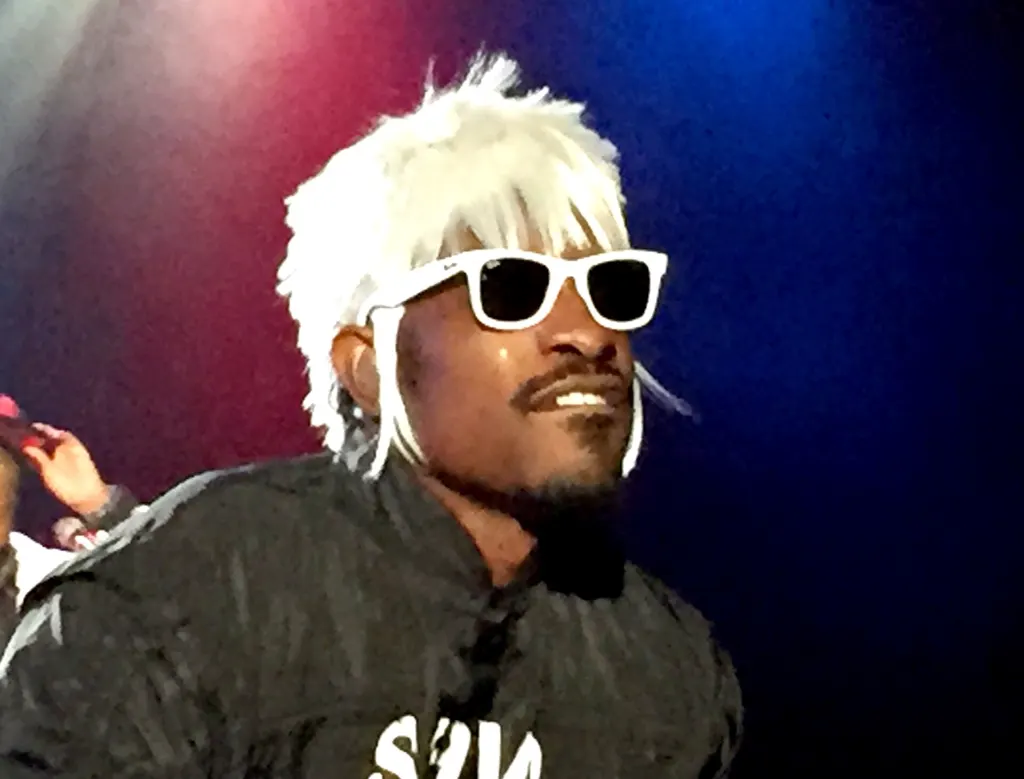
Image: RustyShack, CC BY 2.0 via Wikimedia Commons
This article was produced with AI assistance and reviewed by our Editorial Desk. How we work.