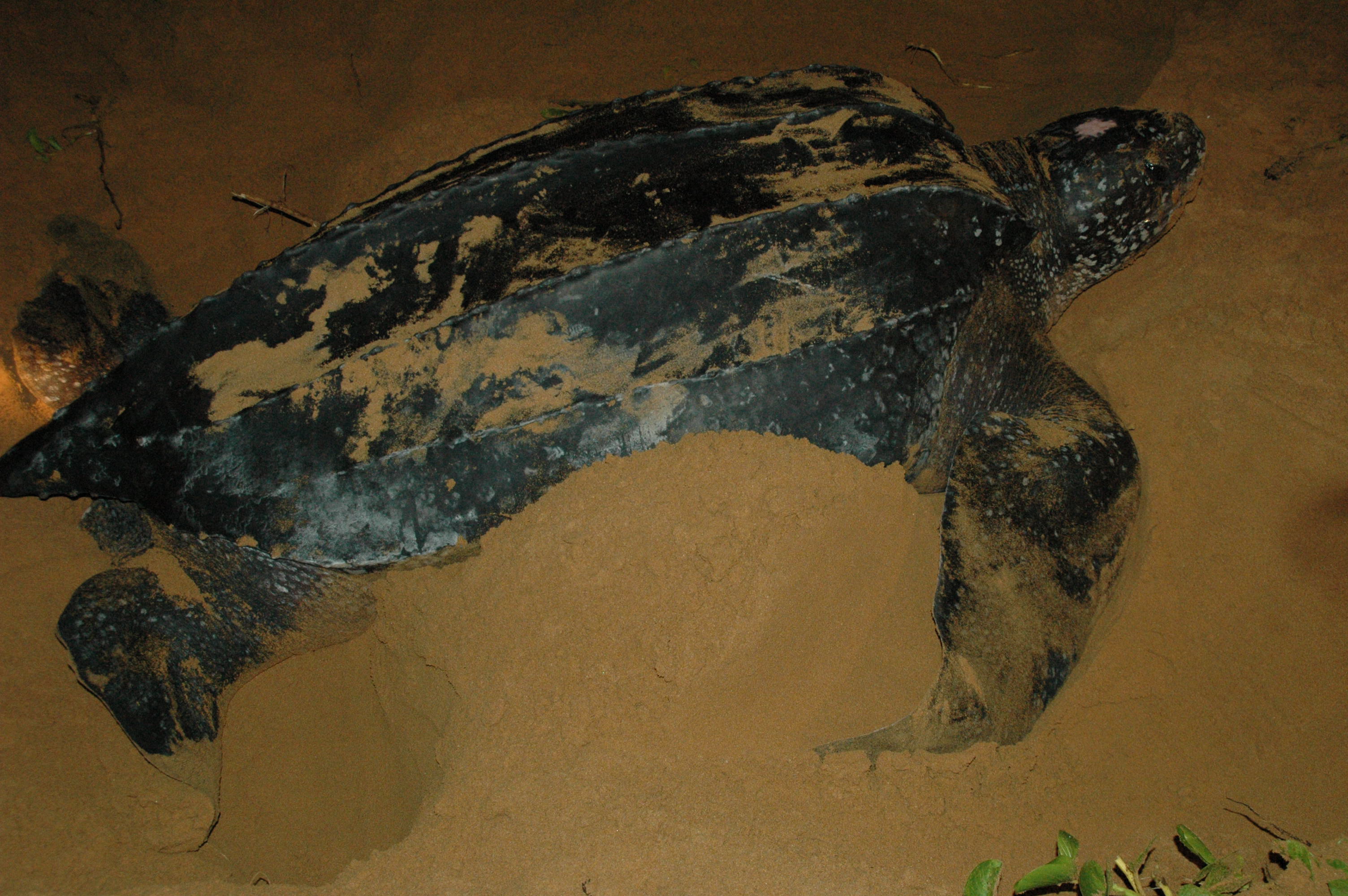
A leatherback sea turtle the researchers named Bella crawled up a beach in Ecuador in January 2026, got confused by streetlamps, climbed a rock breakwater and ended up on a sidewalk. Two nights later she tried again on a darker stretch of sand, laid 47 eggs, and 44 hatchlings later made it to the surf.
Bella is part of a surprise. Eastern Pacific leatherbacks, the world's largest turtles, are nesting in record numbers on Ecuador's coast, more than 1,000 miles south of their traditional beaches in Mexico and Costa Rica, according to a Simon Fraser University announcement of the study.
What the researchers found
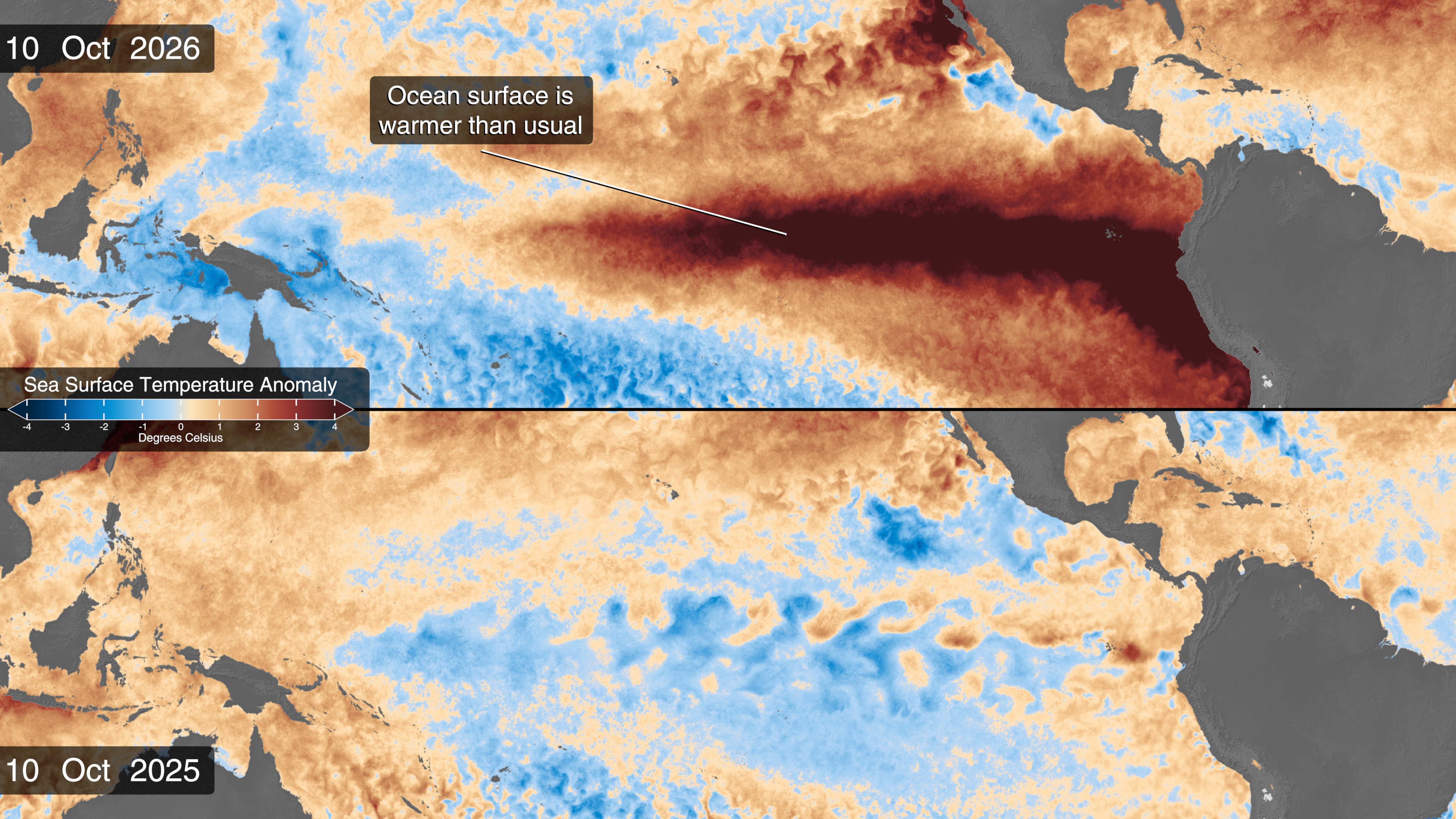
The team reviewed more than 45 years of records from Ecuador's coastline: sightings of adult females, nesting attempts, nest counts, hatching success and strandings. They lined that history up against El Niño and La Niña, the Pacific cycle that swings sea temperatures warmer and cooler.
Over the last decade, nesting in Ecuador rose during La Niña's cool episodes. The 2025 to 2026 season set a record for the number of nests. Eggs per nest and hatch rates matched those at the established beaches farther north, and some Ecuadorian nests produced more hatchlings than usual. The study appears in the journal Chelonian Conservation and Biology.
"Historically, observing female Eastern Pacific leatherbacks on Ecuador's beaches was a rare or unusual event, but our findings suggest they are adapting their reproductive cycle to thrive and survive in coastal Ecuador," said Juan José Alava, an adjunct professor at Simon Fraser's School of Resource and Environmental Management and a leading co-author, in the university's release.
Bella's season, by the numbers
Bella was tagged on her first, failed attempt, which let the team follow her. She nested four to five times in 2026. One nest stayed where she dug it; the rest were moved to the San Jacinto hatchery. Of her 146 eggs, 134 hatched, a success rate of 91.8%.
Compare that with the species norm. Wikipedia's leatherback entry puts the average clutch at about 110 eggs and says around half of eggs typically fail to become hatchlings. Bella's single season beat that rate by roughly 40 percentage points.
Why a cooler beach could help
Leatherbacks are built for cold. They lack a hard shell, carry insulating fat and use heat exchangers in their flippers, and they dive deeper than almost any other air-breathing animal. NOAA Fisheries' species profile notes that some swim more than 10,000 miles a year between nesting and feeding grounds, and that the Pacific populations are the most at risk of extinction. The Simon Fraser team counts more than 150 sightings off British Columbia between 1931 and 2024.
The eastern Pacific population has fallen by more than 90% since the 1980s, and Alava's team describes the subspecies as on track for extinction in the region within 60 years. Their jellyfish diet links them to some odd neighbors, such as the immortal jellyfish Turritopsis dohrnii.
Limits of the finding
One record season does not prove a lasting shift, and the researchers frame the result as a suggestion that the turtles are adapting, not a settled trend. Streetlights, bycatch, plastic and egg harvesting remain threats, and the team calls for continued monitoring and protection of Ecuador's nesting beaches. The Pacific's current warm phase is covered in our look at El Niño 2026 against 2023.
The next test comes with the 2026 to 2027 nesting season, when Bella's beach will show whether the record was a one-off.
Sources
- Media release on leatherback nesting in Ecuador, Simon Fraser University, 2026
- Leatherback sea turtle, Wikipedia, 2026
- Leatherback Turtle, NOAA Fisheries, 2026
Image: Coalición Pro CEN, CC BY-SA 3.0 via Wikimedia Commons
This article was produced with AI assistance and reviewed by our Editorial Desk. How we work.