Millions of football fans on the US East Coast watched the New York Jets lead the Oakland Raiders 32-29 with just over a minute left on November 17, 1968. Then NBC switched to a children’s movie. While Heidi began, the Raiders scored two touchdowns in that final minute and won 43-32.
Fifty-eight years later, the “Heidi Game” is still the most famous scheduling blunder in American sports television, and it changed how every big league writes its TV contracts.
Why the game ran long
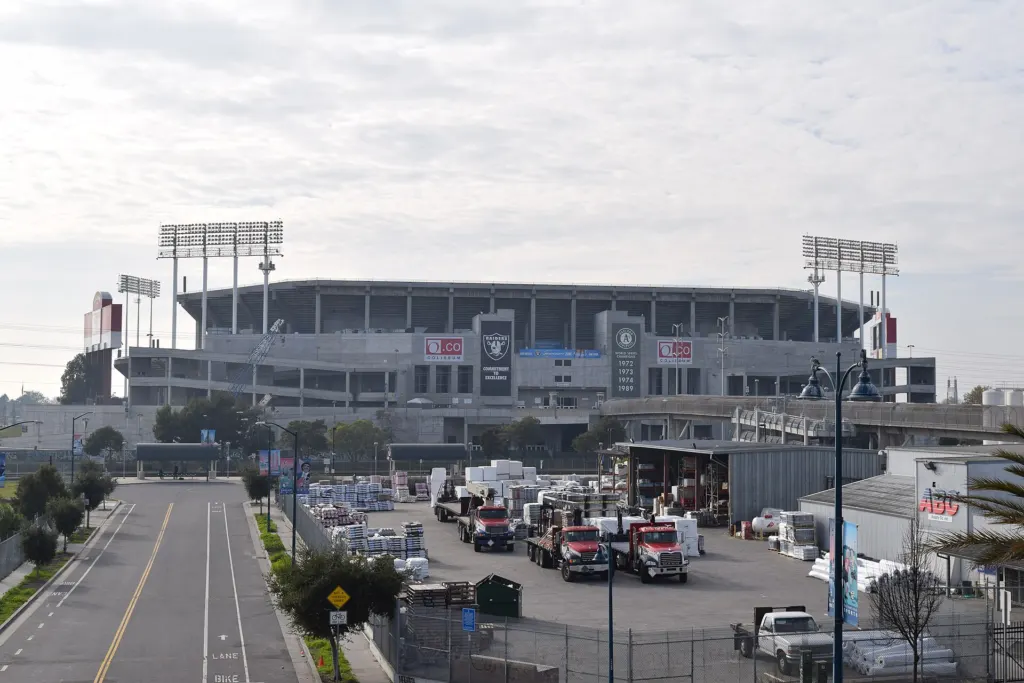
NBC had booked the American Football League game at the Oakland–Alameda County Coliseum into a three-hour window starting at 4 p.m. Eastern. No pro game the network had aired had ever needed more time than that. This one did.
The two quarterbacks, Joe Namath and Daryle Lamonica, threw 31 incomplete passes between them, and every one stopped the clock. Officials called 19 penalties. Both teams burned all six of their timeouts, and the fourth quarter alone produced 34 points, each score followed by commercials. By 6:20 p.m. Eastern the fourth quarter was only just starting.
Waiting at 7 p.m. was Heidi, a heavily promoted TV film of Johanna Spyri’s story. Timex, the watch company, had bought the entire two-hour block, and its deal required the film to start on time.
The phone calls that never got through
Senior NBC executives did decide, late in the game, to let the broadcast run to the end. Network president Julian Goodman called the strict 7 p.m. order “crazy.” The problem was getting that message to Dick Cline, the supervisor in the network’s New York control room.
From about 6:45, viewers flooded NBC with calls asking whether the game or the film would air. The switchboards jammed, and Cline could not reach his boss. With no new order, he stuck to the written plan. Viewers in the Eastern and Central time zones last saw Charlie Smith return a kickoff to the Oakland 22-yard line with 1:01 to play.
What the East missed
Here is the minute that half the country never saw, taken from the official scoring summary:
- Jets 32, Raiders 29: Jim Turner’s 26-yard field goal puts New York ahead with just over a minute to go.
- Raiders 36, Jets 32: Lamonica finds Smith for a 43-yard touchdown.
- Raiders 43, Jets 32: on the next kickoff, Earl Christy fumbles at the Jets’ 12 and reserve back Preston Ridlehuber carries the loose ball into the end zone.
NBC then ran a crawl reading “RAIDERS DEFEAT JETS 43–32” across the screen during the film, at the moment Heidi’s cousin Clara takes her first steps. That annoyed the movie audience as well. Goodman apologized that night, calling it “a forgivable error committed by humans who were concerned about children expecting to see Heidi.”
Some people close to the Jets were fooled too. Coach Weeb Ewbank’s wife phoned to congratulate him on a win.
The rule it left behind
NBC installed a separate hotline in its control room, nicknamed the “Heidi phone,” on a different exchange so a jammed switchboard could never block an order again. The bigger legacy is contractual: the NFL later required networks to show games to the finish in the visiting team’s market, and other leagues, the NCAA and the International Olympic Committee adopted similar rules.
The rivals met again six weeks later in the AFL Championship Game in New York, where the Jets won 27-23 before upsetting the Baltimore Colts in Super Bowl III. For more on early pro football, read how Pudge Heffelfinger became the first paid pro football player in 1892, or why Terry Bradshaw says his 42-year NFL broadcasting career is ending.
The film’s star, Jennifer Edwards, has joked about it ever since. Her gravestone, she once said, “is gonna say, ‘She was a great moment in sports.'”
Further reading
Image: Weegee010, CC BY-SA 4.0 via Wikimedia Commons
This article was produced with AI assistance and reviewed by our Editorial Desk. How we work.