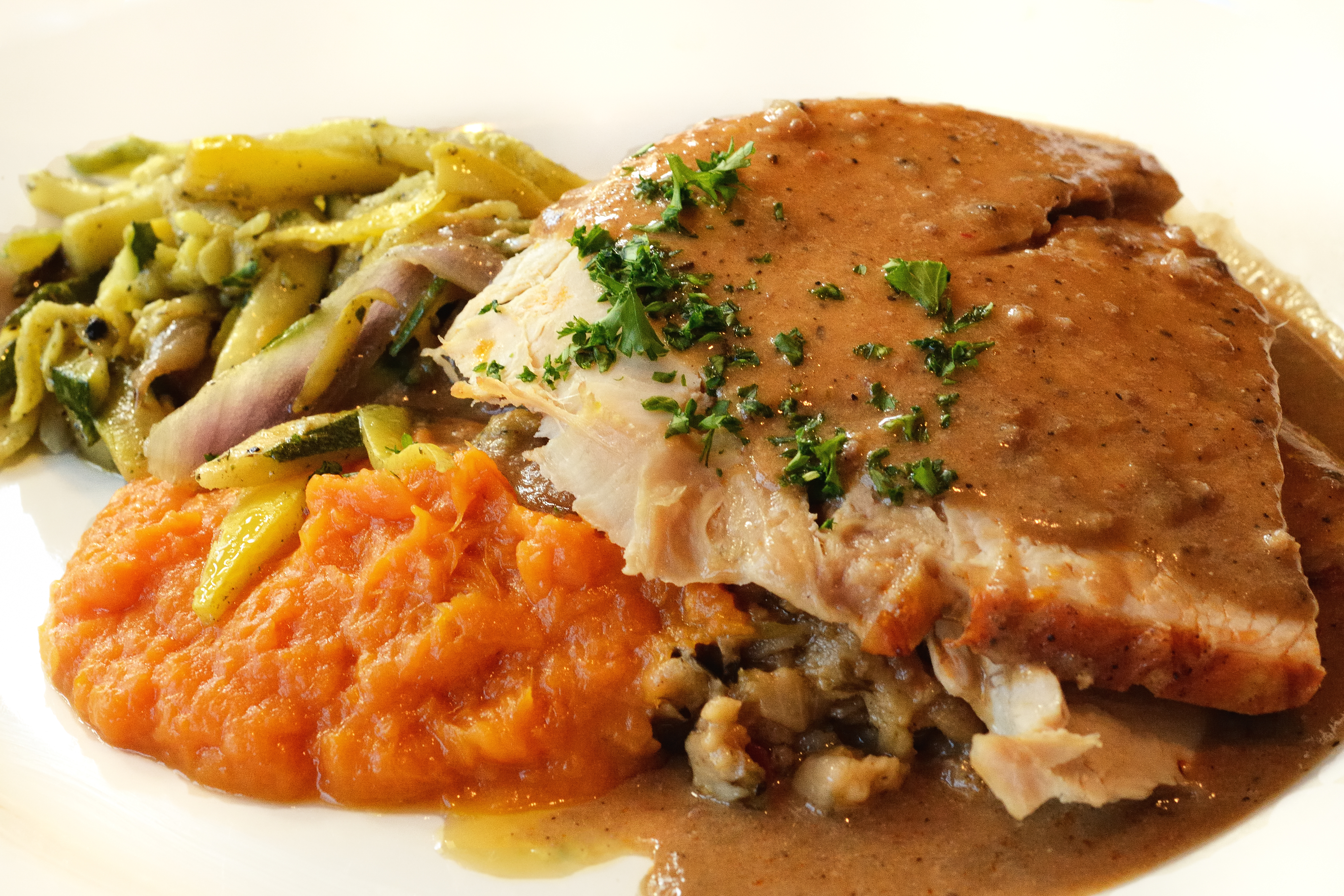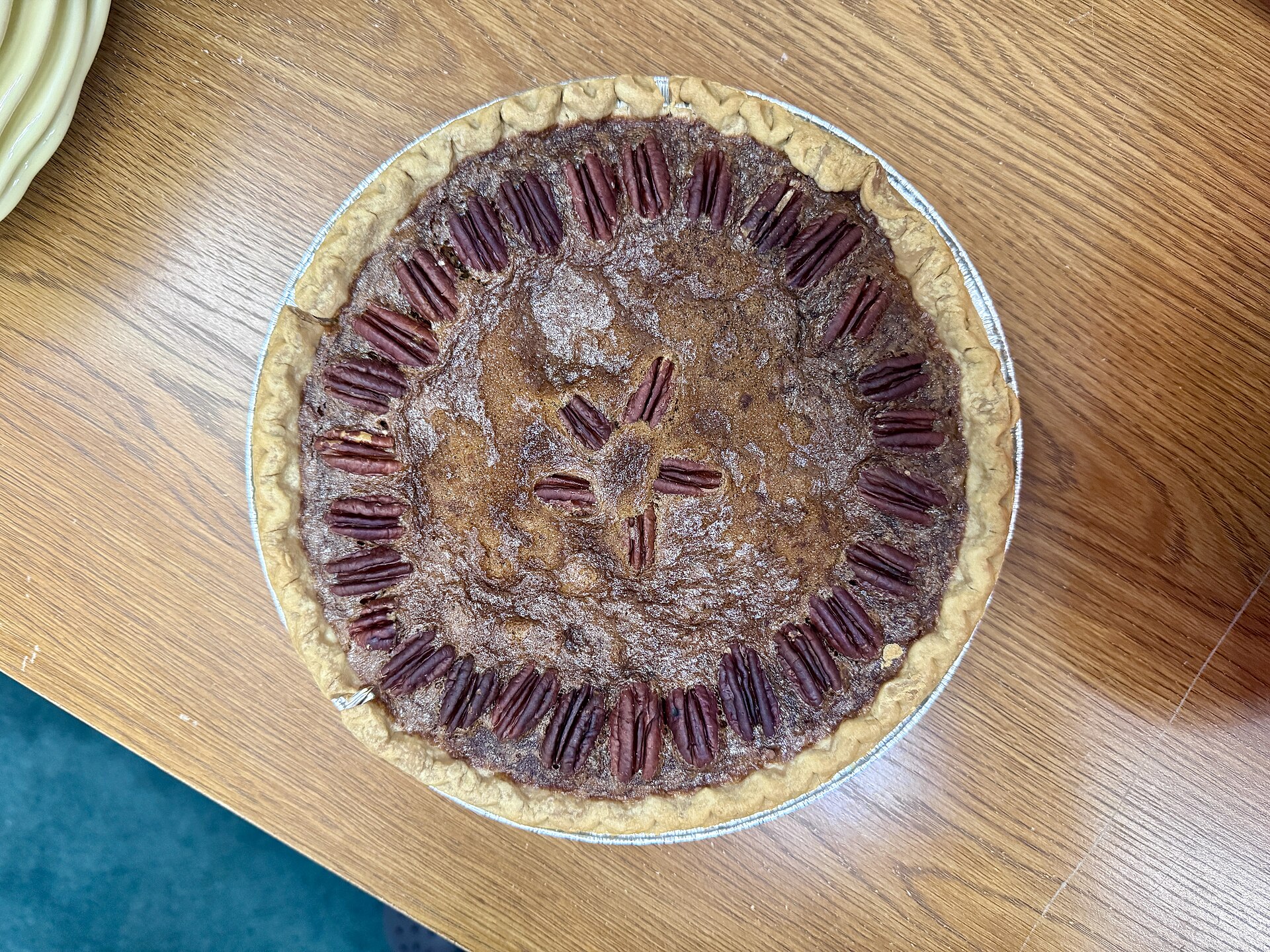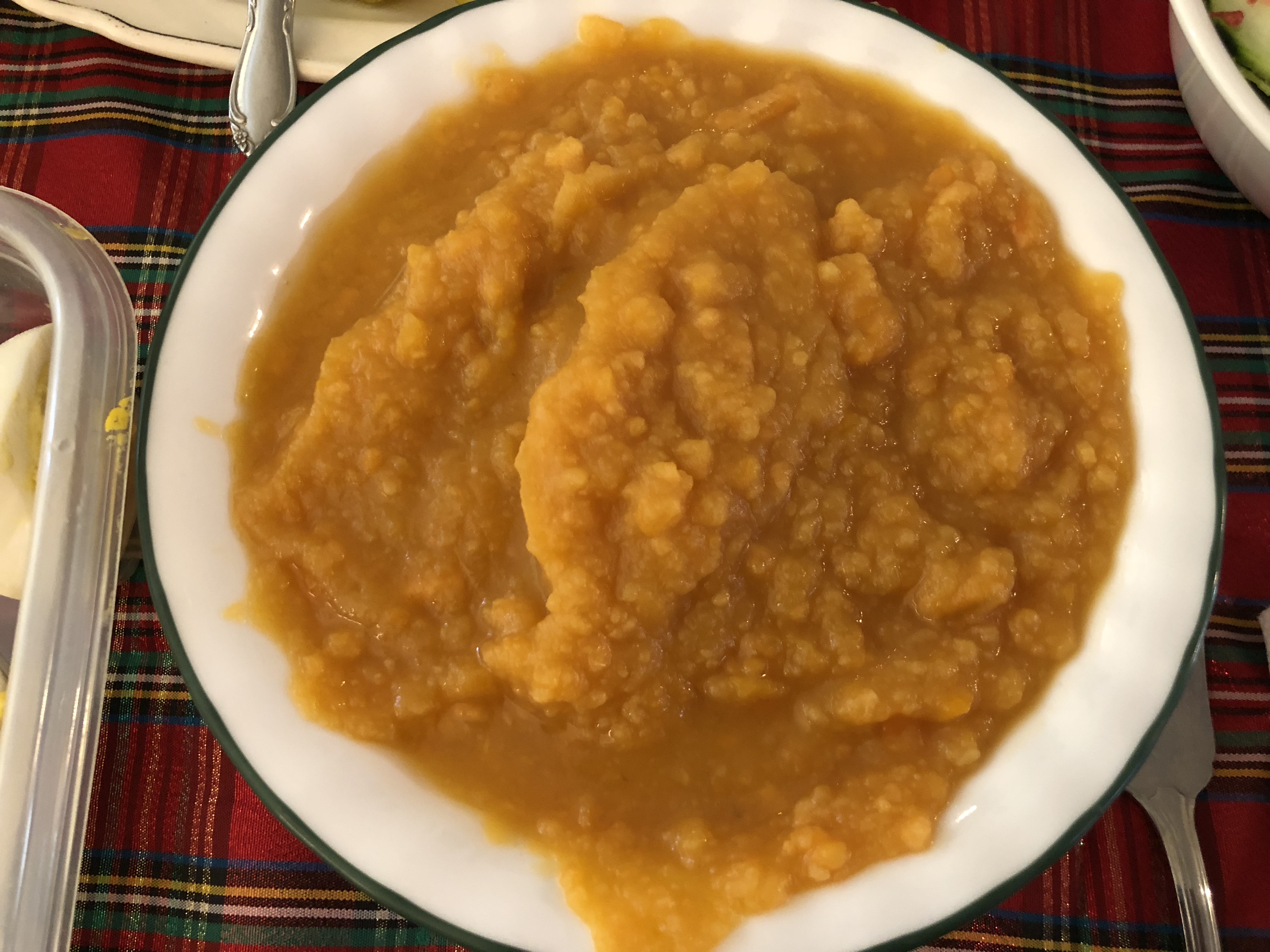
The "candied yams" on many Thanksgiving tables this Thursday very likely contain no yams at all. The orange roots under the brown sugar and marshmallows are sweet potatoes, a plant from the morning glory family that is only a distant cousin of the true yam.
The mix-up is old, and so is the dish. Wikipedia's history of candied sweet potatoes traces the sugary side back past the American South to a London cookbook of the mid-1600s.
Why Americans call sweet potatoes yams
True yams belong to the genus Dioscorea, a group of monocot plants in a separate botanical order. Sweet potatoes, Ipomoea batatas, are eudicots in the order Solanales, which also holds the ordinary potato. In other words, a sweet potato is botanically closer to a regular spud than to a yam, and it is not especially close to either.
The "yam" label came from the American South. According to the Wikipedia entry on the sweet potato, enslaved Africans called the soft, orange-fleshed sweet potatoes yams because they looked like the yams of Africa. When the soft varieties went into commercial production, growers kept the name to separate them from firmer, paler sweet potatoes, and it stuck in American kitchens.
A real yam would be hard to miss on a holiday plate. Iowa State University's Yard and Garden extension service describes true yams as long, rough-skinned tubers native to Africa and Asia that can grow several feet long and top 50 pounds, and says they are rarely sold in the United States. The extension traces the word itself to "nyami," an African word meaning "to eat."
A 1600s London recipe as the forerunner
Sweet potatoes reached Europe in the 1500s after Columbus's crew met them in the Caribbean. They grew badly in northern Europe, which made them a luxury there, and cooks often candied small pieces.
A mid-17th-century London cookbook gave a recipe that the food historian Trudy Eden calls "more than likely" a sweet potato dish and the "forerunner" of American candied yams. It opens with an instruction to "Boyle or roast your Potatoes very tender," then layers them with sliced apples, ginger, cinnamon, sugar and butter, stews the lot for an hour and finishes it with more sugar scraped over the top.
From Southern cookbooks to the Thanksgiving table
Recipes for candied sweet potatoes started turning up in American cookbooks in the 1880s, when the dish was eaten by poor families, white and Black, across the South. Mary Stuart Smith's Virginia Cookery Book of 1885 told readers that, once boiled or steamed, sliced, buttered and covered with sugar, "you can hardly have a dish on your table that will be more generally relished."
By the 1960s the dish had become tied to New Year's among African American families from the South. Today it is a Thanksgiving fixture, usually made with butter and brown sugar and often topped with marshmallows, and it remains closely linked with Southern and African American cooking.
Here is how the dish has traveled, by the dates on record:
- 1492: Columbus's expedition becomes the first group of Europeans to taste sweet potatoes.
- Mid-1600s: a London cookbook prints the spiced, sugared potato recipe historians link to candied yams.
- 1880s: candied sweet potato recipes appear in Southern American cookbooks.
- 1960s: the dish is a New Year's tradition among Southern African American families.
Americans now eat far fewer sweet potatoes than they once did, roughly 1.5 to 2 kilograms per person a year compared with 13 kilograms in 1920, a drop of more than 80 percent. Alabama, Louisiana and North Carolina all name the sweet potato their state vegetable.
For more on the Thanksgiving menu, read Badiyaa's histories of pecan pie and its Karo syrup filling, pumpkin pie from Tudor England to 1796 and canned cranberry sauce's national debut in 1941.
Thanksgiving falls on Thursday, November 26, and the dish on the table will still be called yams.
Sources
- Candied sweet potatoes, Wikipedia, 2026
- Sweet potato, Wikipedia, 2026
- Are sweet potatoes and yams the same thing?, Iowa State University Extension and Outreach, 2024
Image: Famartin, CC BY-SA 4.0 via Wikimedia Commons
This article was produced with AI assistance and reviewed by our Editorial Desk. How we work.