Long before email attachments, a photograph could cross a country in minutes by being read one dot of light at a time, turned into an electrical signal and sent down an ordinary telephone line. The machine that made that work was the Belinograph, built by French inventor Édouard Belin, and by the 1930s its descendants were feeding pictures to newspapers across the US and Europe.
A photocell, a spinning drum and a phone line
Belin came up with his phototelegraphic apparatus in 1907, according to Wikipedia's biography of Édouard Belin, and journalists were using it for photos from 1914. The trick was simple to describe and hard to build. Here is how a wired photo traveled, step by step:
- The original print was wrapped around a cylinder that turned while creeping slowly sideways, so a fixed point traced a tight spiral over the whole image.
- An electric eye, a photocell, measured how light or dark each tiny spot was.
- That brightness became a varying electrical signal sent over the line.
- At the far end, a lamp of varying strength followed exactly the same spiral over light-sensitive photographic paper.
- Developed like any other print, the paper became a copy of the original.
The key improvement, as Wikipedia's history of the wirephoto puts it, was that the 1913 Bélinographe scanned with a photocell and ran over everyday phone lines rather than special circuits. In Europe the service simply took his name: a wired picture was a "Belino."
The race to send pictures faster
Belin was not alone. Ernest Hummel's Telediagraph had linked several US newspapers by a dedicated circuit as early as 1895. Across the Atlantic, Harry G. Bartholomew and Maynard D. McFarlane invented the Bartlane system in 1920, which coded newspaper pictures for the London-to-New York submarine cable. Wikipedia's entry on the Bartlane system calls it the first digital imaging system; it cut a transatlantic picture to under three hours, and its shading jumped from 5 gray levels to 15 in 1929.
The US telegraph and telephone giants piled in, as the same wirephoto history lists. Western Union sent its first photograph in 1921, AT&T followed in 1924 and RCA began sending radio photos in 1926. In 1929, Vladimir Zworykin, then at Western Electric, produced a sharper system that could send a full page in about a minute.
The 1930s: big machines, private lines
Through the early 1930s, a fast wirephoto machine was large, costly and needed its own dedicated phone line, so news agencies leased expensive circuits to move pictures between cities. In 1935 a major US news cooperative switched on a national Wirephoto network, and by 1936 a rival photo service was using a portable transmitter that needed only a standard long-distance call.
Badiyaa's timeline math: from Hummel's dedicated newspaper circuit in 1895 to a portable unit that worked over any long-distance line in 1936 took 41 years. The core idea, scanning light point by point, is the same one behind today's fax machines and scanners, with a digital image sensor in place of Belin's electric eye.
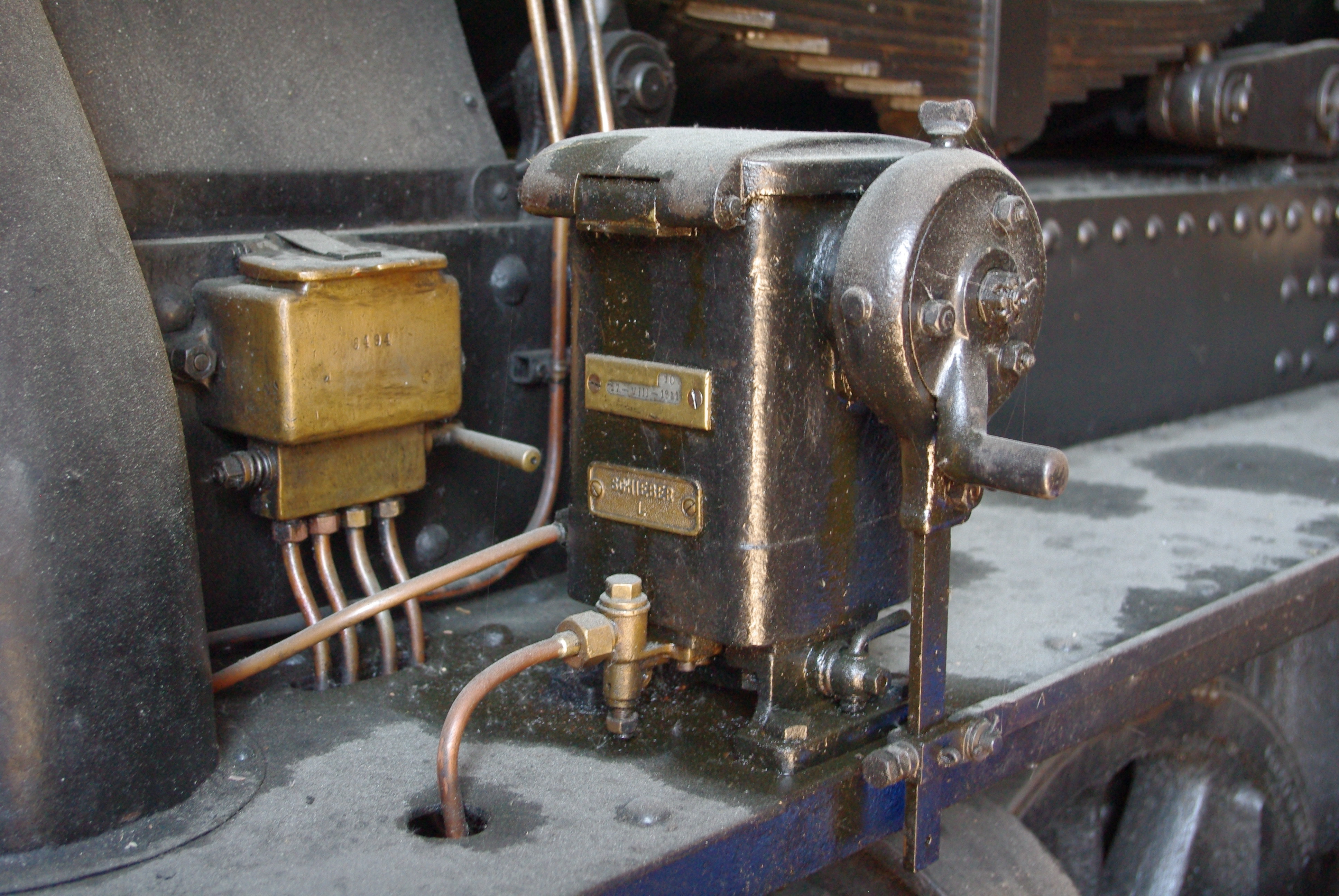
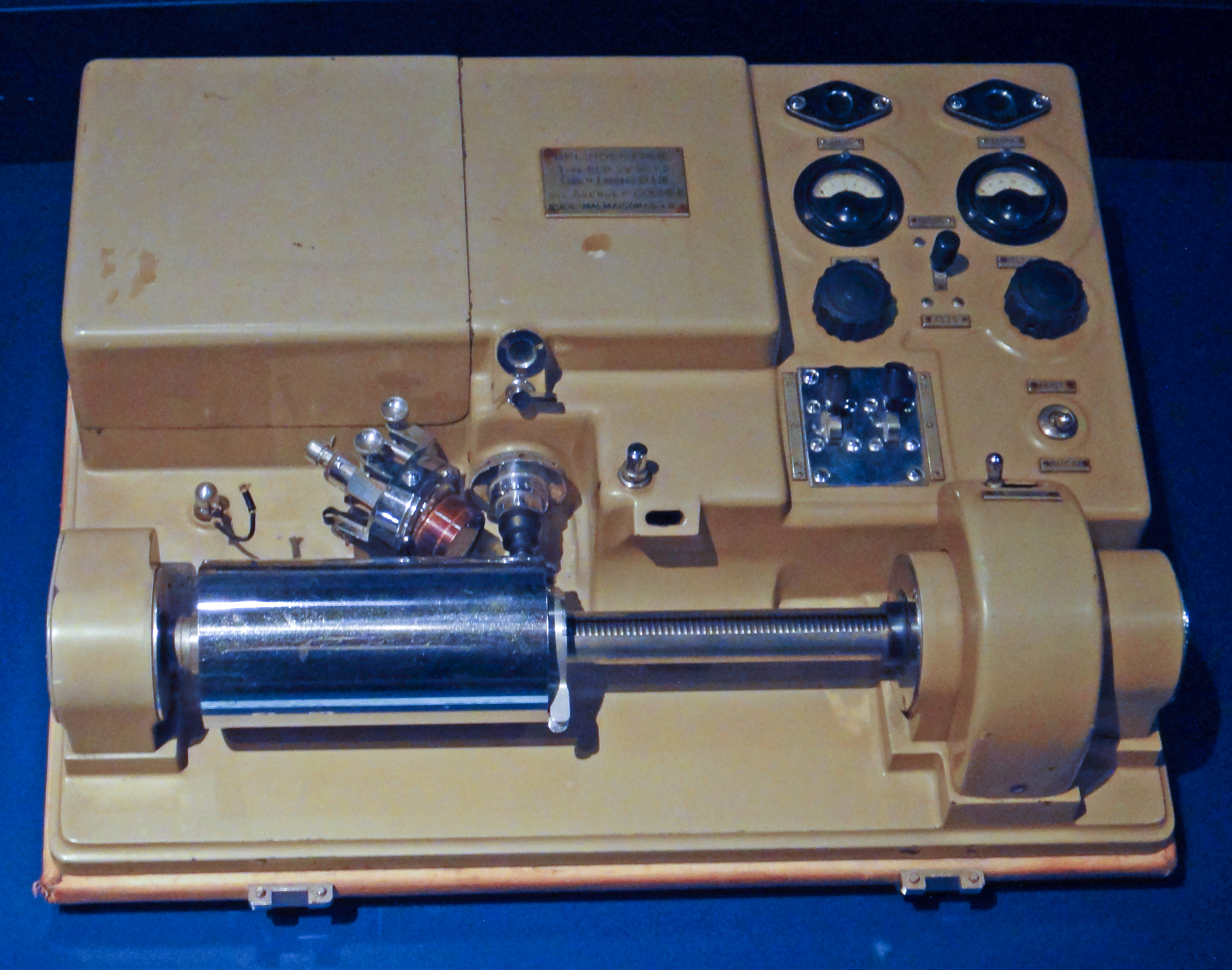
Belin's machines are now museum pieces. A 1953 BEP-2V model at the Museum of Communication in Bern, Switzerland, is pictured on Wikimedia Commons, and the inventor, born in Vesoul in 1876, died in 1963 at 86. For more on early sound and light technology, see Badiyaa's stories on Edison's 1877 phonograph and Theodore Maiman's ruby laser patent.
Sources
- Wirephoto, Wikipedia, 2026
- Édouard Belin, Wikipedia, 2026
- Bartlane system, Wikipedia, 2026
- Belinograph BEP-2V, Museum für Kommunikation Bern, Wikimedia Commons, 2011
Image: Sandstein, CC BY-SA 3.0 via Wikimedia Commons
This article was produced with AI assistance and reviewed by our Editorial Desk. How we work.