That perfect owl shot is not worth a stressed-out owl. The National Audubon Society's photography rules put it bluntly: in any clash between the bird and the person holding the camera, the bird wins. And the list of things Audubon tells photographers never to do is longer, and stricter, than most beginners expect.
The rules live in Audubon's Guide to Ethical Bird Photography and Videography, compiled by photographer Melissa Groo, field-guide author Kenn Kaufman and Jim Verhagen with Audubon's photo and social media teams. Here are the tips that matter most if you are heading out with a camera this holiday weekend.
1. If the bird moves, you are too close
Audubon's test is simple. If your approach makes a bird flush, meaning fly or run off, or change what it is doing, back away. Some birds freeze or hunch into a defensive or pre-flight pose instead of leaving, so watch posture, not just wings. A bird busy watching you may also miss a predator.
The fix is gear, not footsteps. Audubon recommends a telephoto lens and enough distance for the bird to act naturally, and it suggests a blind as a way to watch without being noticed.
2. No bait, no fake mice, no recorded calls
Audubon says never to lure birds such as hawks, owls, eagles, ospreys and roadrunners with bait, and it counts live animals, dead ones, processed meat and decoys like fake mice. Baiting can change how predatory birds behave in ways that harm them.
Playing recorded bird calls is out too. A bird that leaves its nest to chase off what it thinks is a rival leaves its eggs or chicks exposed to predators and bad weather.
3. Ground the drone and go easy on the flash
Drones are a firm no for photographing birds, and especially nests, and Audubon notes they are illegal in national parks and some state parks. Flash should be used sparingly, if at all, and never on owls, nightjars and other night birds after dark, since it can briefly affect their ability to hunt or avoid obstacles.
4. Nests get the widest berth
For nesting birds, Audubon suggests a telephoto lens of at least 500mm. If you are using a macro lens or framing the nest close up with a wide-angle lens, you are probably too close, even with the camera triggered remotely. Do not trim branches or leaves around a nest, because they hide it and shelter it, and do not linger: long visits can keep parents from feeding or guarding their young.
On beaches the guide sets a number. Stay at least 25 yards from beach-nesting shorebirds and seabirds, and do not stand between a nest and the water, where chicks need to feed before migration.
5. Strip the GPS and caption honestly
Before posting, remove location data from photos of rare or sensitive species such as owls, and think twice before sharing exact spots. If a bird was captive, say so in the caption. Audubon also warns against photography game farms, where animals are bred to pose as wild, and notes that leading contests ban images made there.
Where to practise
A backyard feeder is the gentlest place to start, as long as it is kept clean and stocked with suitable food. Badiyaa's guide to why black-oil sunflower seed tops the winter feeder menu covers what to put out, and Project FeederWatch's 40th winter count lets you turn those photos into data. City shooters can take heart from the barn owl family nesting in a Manhattan water tower, a reminder of why owl locations are best kept quiet.
Sources
- Audubon's Guide to Ethical Bird Photography and Videography, National Audubon Society, 2026
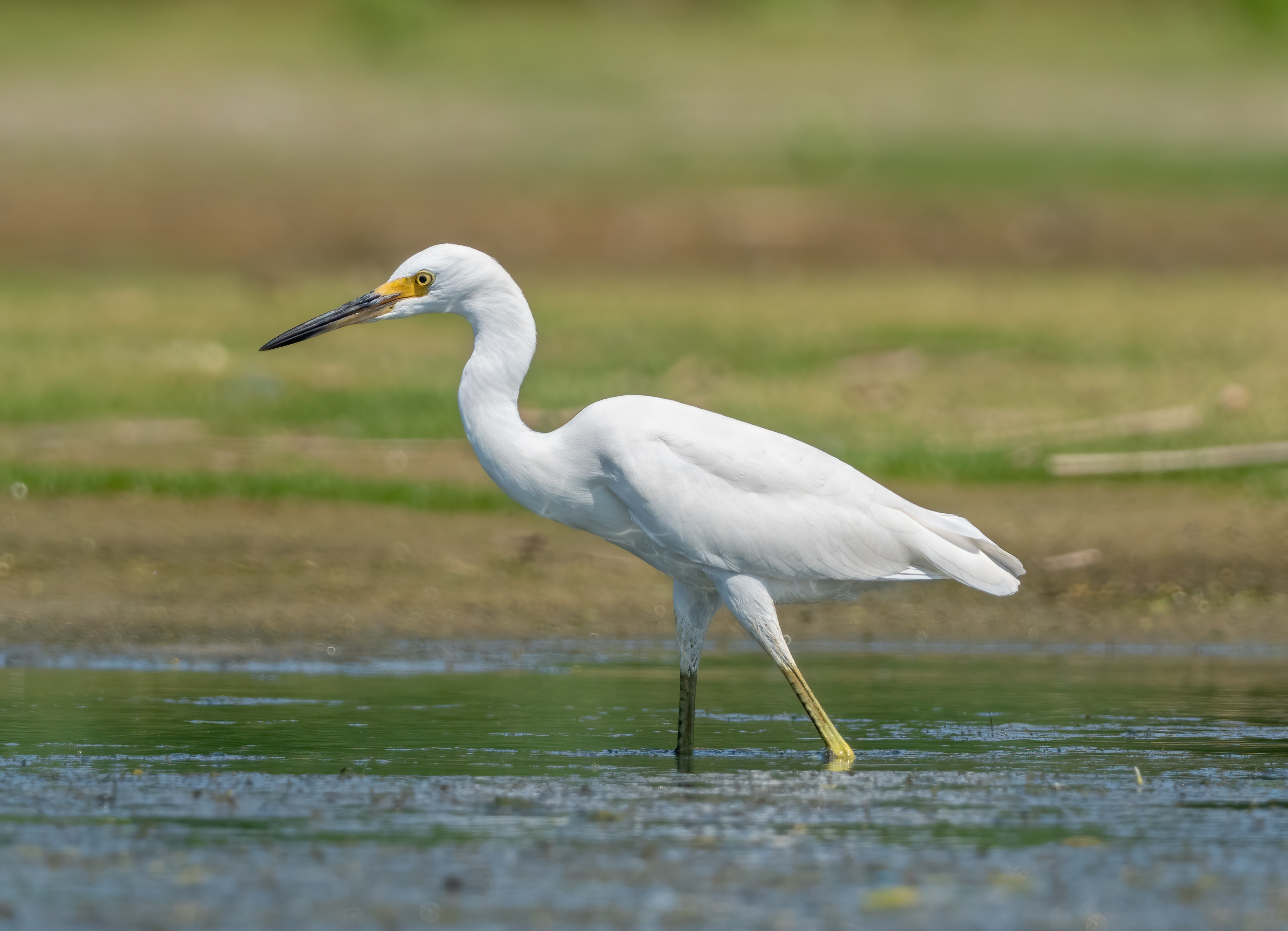
Image: Rhododendrites, CC BY-SA 4.0 via Wikimedia Commons
This article was produced with AI assistance and reviewed by our Editorial Desk. How we work.