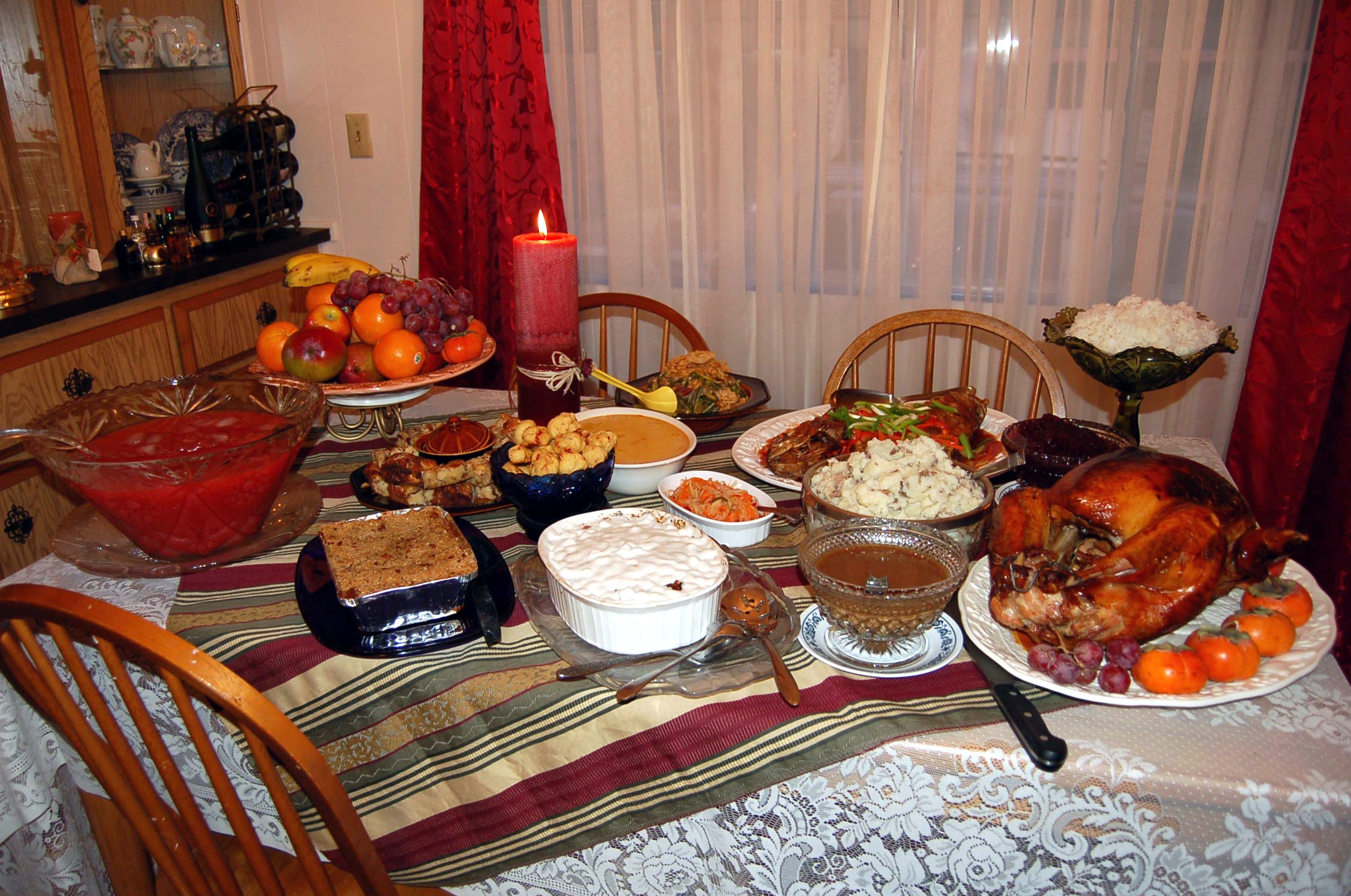
Forty-five minutes, 36 questions and two total strangers: that was the recipe a team of psychologists used to make people feel close in a lab, and the internet later rebranded it as the quiz that makes you fall in love. With families and new partners crowding around Thanksgiving tables today, the list is getting fresh attention as an icebreaker that goes far deeper than small talk.
Where the 36 questions came from
The questions come from a 1997 paper by Arthur Aron, Edward Melinat, Elaine Aron, Robert Darrin Vallone and Renee Bator, titled The Experimental Generation of Interpersonal Closeness. It appeared in Personality and Social Psychology Bulletin, volume 23, pages 363 to 377. Arthur Aron, a psychology professor at Stony Brook University, is best known for his self-expansion model of relationships, and Elaine Aron is his wife and co-author, according to his Wikipedia biography.
The setup was simple. Pairs of strangers spent about 45 minutes working through tasks that grew steadily more personal. The paper's abstract says pairs who did these escalating disclosure tasks felt closer afterwards than pairs given comparable small talk.
How the questions escalate
The list comes in three sets of 12, and each set digs deeper. UC Berkeley's Greater Good Science Center, which publishes the full list as a practice, suggests splitting your time into thirds and taking turns so a different person answers first each round.
- Set I starts light: "Given the choice of anyone in the world, whom would you want as a dinner guest?"
- Set II gets personal: "What roles do love and affection play in your life?"
- Set III turns intimate: "Tell your partner what you like about them; be very honest this time, saying things that you might not say to someone you’ve just met."
The last set also asks each person to make three true "we" statements and to share an embarrassing moment. By question 36, you are asking your partner for advice on a personal problem, and asking them how you seem to feel about it.
Does it really make people fall in love
Not exactly, and the research is more interesting than the hype. The 1997 work was about closeness, not romance. The abstract reports that closeness did not depend on whether pairs were matched for agreeing on important attitudes, whether they were told to expect mutual liking, or whether getting close was set as an explicit goal.
The Berkeley summary goes further: after the conversation, participants' sense of closeness matched the average closeness other people in the study reported for their closest relationships. That is a big result for under an hour of chat with someone you have just met.
The love label came in January 2015, when a widely shared newspaper essay presented the list as the "36 questions that lead to love," as Aron's biography notes. Since then, the questions have been used in hundreds of studies, from breaking down barriers between strangers to improving understanding between police officers and the communities they serve.
Trying it yourself
Berkeley's version is not only for dates. It suggests trying the list with co-workers, relatives or friends, as long as both people are comfortable sharing, and says two couples can do it together. One caveat it flags: a study of undergraduates found that taking turns worked better than having one person answer everything at once, with turn-takers liking each other more.
If the science of the spark is your thing, see Badiyaa's look at Helen Fisher's brain scans of people in love, the Leiden finding that first-date chemistry tracks with syncing heartbeats, and why a crush gives you butterflies in the stomach.
Sources
- "The Experimental Generation of Interpersonal Closeness: A Procedure and Some Preliminary Findings", Personality and Social Psychology Bulletin, 1997
- 36 Questions for Increasing Closeness, Greater Good Science Center, UC Berkeley, 2026
- Arthur Aron, Wikipedia, 2026
Image: PattayaPatrol, CC BY-SA 4.0 via Wikimedia Commons
This article was produced with AI assistance and reviewed by our Editorial Desk. How we work.