This weekend, some college freshmen will carry more than leftovers home from Thanksgiving. They will carry a breakup. The "Turkey Drop" is slang for splitting up around the holiday, and Wiktionary, Wikipedia's sister dictionary, ties it especially to first-year students who have drifted from their high school sweethearts after leaving for campus.
The idea is simple and a little brutal. A couple heads off to different schools in late summer and promises to make it work. Then November arrives, both come home for the long weekend, and one of them decides the conversation should happen face to face, over the holiday, before the semester really sinks in.
Long distance is common on campus
The Turkey Drop is possible only because so many students start college in long-distance relationships. Scholars estimate that such couples make up 25% to 50% of all relationships among college students, according to Wikipedia's overview of long-distance relationships, which puts the share of college relationships that are long-distance at about 32.5%.
Nobody has published a tally of Turkey Drops, and no study has measured Thanksgiving breakups directly. But researchers at Ohio State University spent years on a closely related question: what happens to long-distance couples once they are back in the same place.
What the Ohio State studies found
The results are less a love story than a reality check. In a 2006 paper, communication researchers Laura Stafford, Andy Merolla and Janessa Castle followed long-distance dating couples through the move back to the same location. In their abstract, the 2006 study in the Journal of Social and Personal Relationships reports that about half of long-distance partners make that transition, while the other half break up while still apart. Of the couples who did reunite, one-third ended within three months.
The reasons sound familiar to anyone who has spent a holiday weekend with an ex-to-be. Participants described a loss of autonomy, discovering both good and bad things about each other, trouble juggling time, and more conflict and jealousy. The authors note that what people liked about the long-distance phase, such as independence and novelty, seemed to vanish, and be missed, once they were together again.
A follow-up by Stafford and Merolla dug into a paradox. Long-distance couples were actually more stable than couples who lived near each other, but only while they stayed apart. According to the 2007 Ohio State study on idealization and reunions, partners who spent long stretches between visits and idealized each other heavily during the separation were the ones most likely to fall apart upon reunion. Distance, in other words, can keep the romance glowing right up until the lights come on.
Why Thanksgiving is the pressure point
Put those findings next to the academic calendar and the holiday starts to look like a natural test. For many first-year students, Thanksgiving is the first long, in-person stretch since moving out. It is roughly three months into the fall term, the same window in which the Ohio State researchers saw one-third of reunited couples call it quits. That is a timing match, not proof that Thanksgiving causes breakups.
Wikipedia's summary of the research adds one more number: about 40% of long-distance couples break up, with problems most often starting around four and a half months in.
If romance science is your thing, read Badiyaa's look at Helen Fisher's brain scans of people in love and heartbreak, or the celebrity version of a second chance in how Ben Stiller and Christine Taylor split and then reunited.
Sources
- Long-distance relationship, Wikipedia, 2026
- When long-distance dating partners become geographically close (Stafford, Merolla, Castle), Journal of Social and Personal Relationships, Ohio State University, 2006
- Idealization, reunions, and stability in long-distance dating relationships (Stafford, Merolla), Journal of Social and Personal Relationships, Ohio State University, 2007
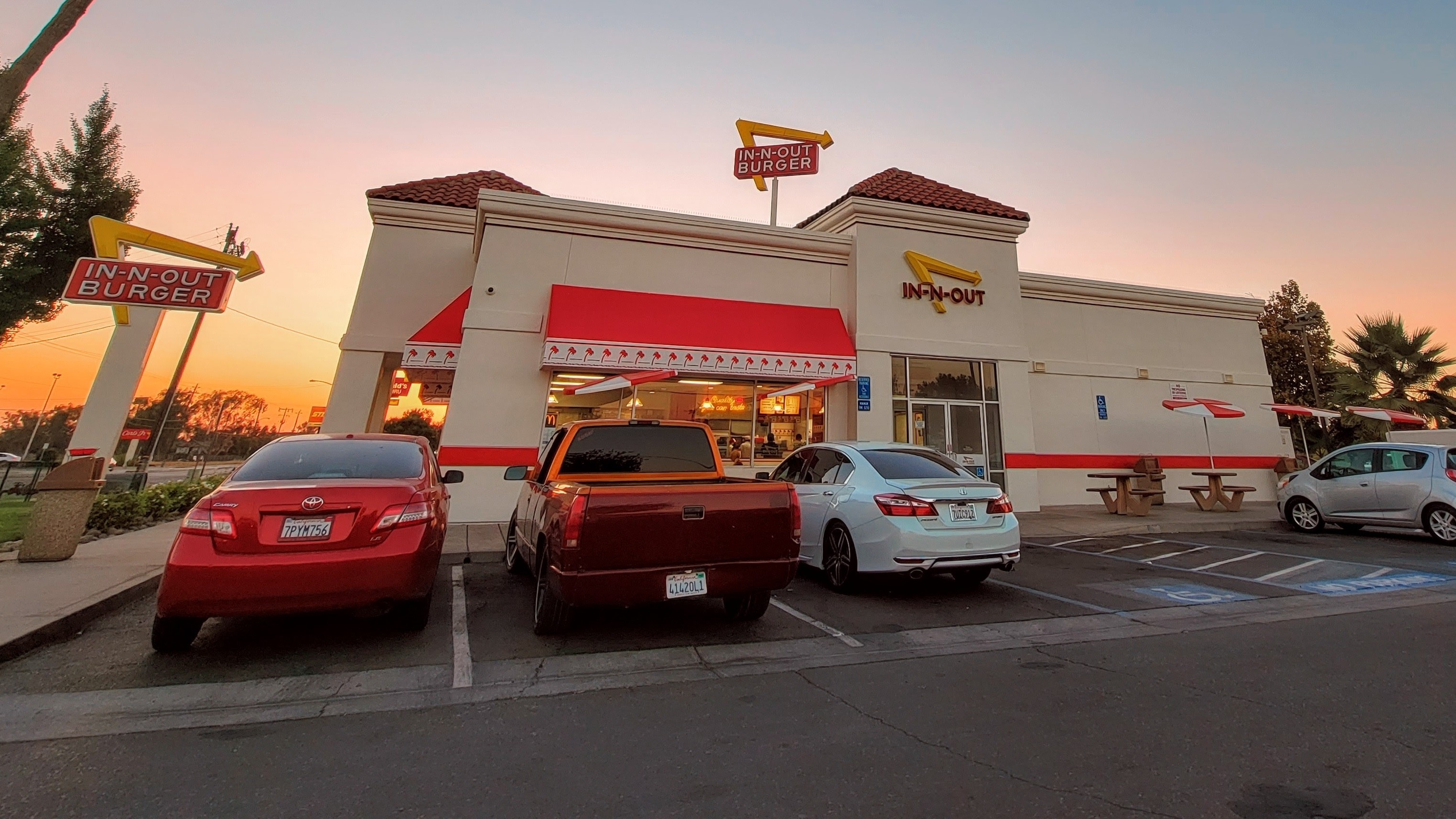
Image: Ms Jones from California, USA, CC BY 2.0 via Wikimedia Commons
This article was produced with AI assistance and reviewed by our Editorial Desk. How we work.