Nintendo kept an iron grip on who could make games for its machines in the early 1990s, yet one California company put Bible games on the Game Boy without permission, sold them in Christian bookstores and was never taken to court. That company was Wisdom Tree, and a new write-up from a Game Boy collector has put its strange cartridges back in the spotlight.
The piece, by Dr. Marcel Pflug on the Game Boy Museum's post on Wisdom Tree, centers on a boxed copy of Exodus: Journey to the Promised Land, released for Nintendo's handheld in 1993. Pflug's verdict on why it belongs in a collection: "It is proof that the Game Boy's library was always wider, and odder, than the official catalogue admits."
The bookstore loophole
Wisdom Tree began in 1990 as an offshoot of Color Dreams, a Brea, California, studio founded two years earlier by self-taught programmer Daniel Lawton. As Wikipedia's history of Wisdom Tree explains, Color Dreams had already worked around the lockout chip in the Nintendo Entertainment System, but stores were wary of stocking its games because Nintendo threatened to stop supplying retailers that sold unlicensed titles.
Christian bookstores were the gap in that wall. They sold music, films and gifts but no video games, so Nintendo had no leverage over them. Wisdom Tree shipped those shops 3-foot Bible Adventures displays and VHS tapes of gameplay. Bible Adventures went on to sell 350,000 copies. Longtime Color Dreams programmer Vance Kozik later recalled, "No one knew it was going to take off, but it took off like crazy." Nintendo never threatened Wisdom Tree with legal action, likely wary of a backlash from parents and churches.
Reskins, quizzes and a homemade chip
Many Wisdom Tree releases were repainted versions of older Color Dreams games. Exodus, for example, is the Color Dreams puzzler Crystal Mines recast as the story of Moses. Pflug counts 100 maze-like stages and about 250 questions on the book of Exodus between levels, so a player who skipped Sunday school would struggle to progress.
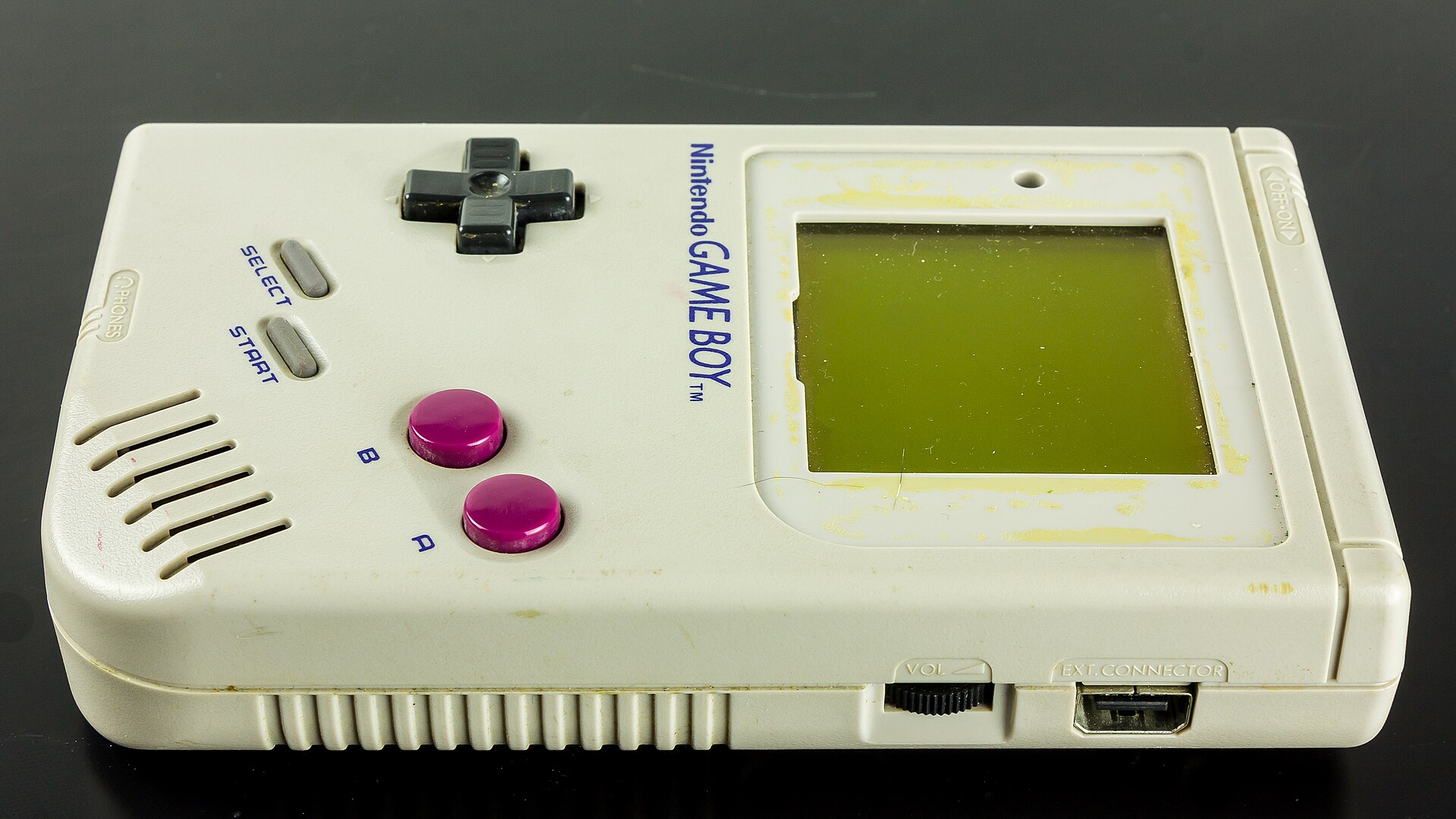
The cartridge itself is the collector's prize. The original Game Boy had no lockout chip; instead its startup code looked for the Nintendo logo on the cartridge before booting. Pflug writes that Wisdom Tree swapped Nintendo's usual memory controller for its own design built from a single cheap logic chip. It switched the whole lower 32 kilobytes of memory at once and picked a bank from the address the game wrote to, not the value, which meant the startup code had to be copied into every bank. Emulators still need a special Wisdom Tree mode to run these games.
Wisdom Tree on Nintendo hardware, year by year
- 1990: Color Dreams sets up Wisdom Tree to sell through Christian bookstores.
- 1991: Bible Adventures arrives on the NES and sells 350,000 copies.
- 1993: Exodus reaches the Game Boy; a King James Bible program follows on the handheld.
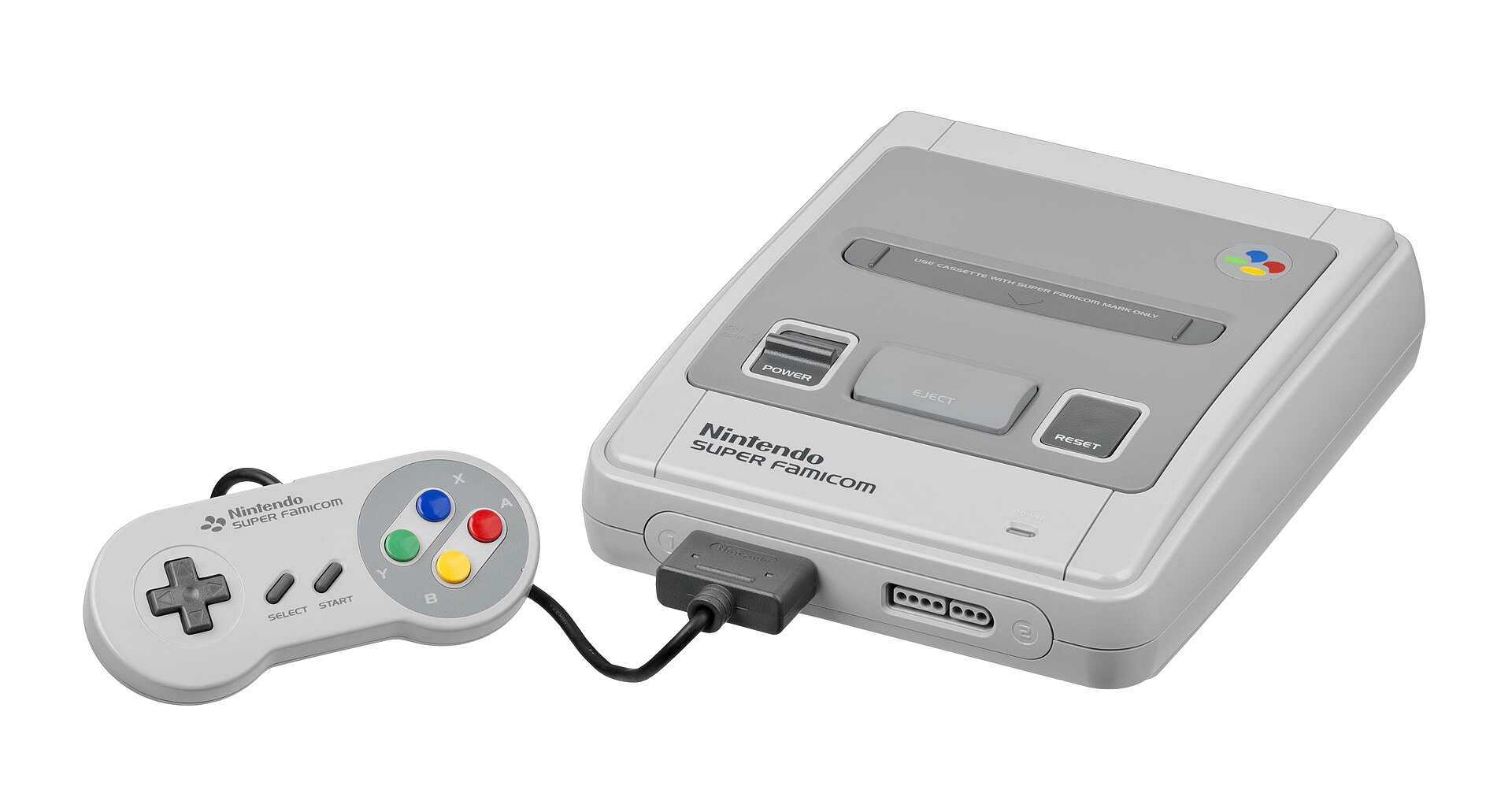
- 1994: Super 3D Noah's Ark, built on the Wolfenstein 3D engine, becomes the only unlicensed commercial game for the North American Super NES.
- 1995: Sunday Funday becomes the last commercial NES release in the United States.
- 1996: NIV Bible and the 20 Lost Levels of Joshua lands on Game Boy, and Color Dreams pivots to security cameras.
That run spans six years on three Nintendo systems, all without a single license. Nintendo's grip on its platforms has not loosened since, as its takedown of the Picofly Switch modchip code showed this month. For more console history, see our look at the Super Famicom's 1990 launch and at Nintendo of America's search for a digital archivist.
Super 3D Noah's Ark, the oddest of the bunch, got a PC remake on Steam in 2015, 21 years after its cartridge debut.
Sources
- The Unlicensed Gospel: Wisdom Tree's Bible Games on the Game Boy, Marcel Pflug, Game Boy Museum, 2026
- Wisdom Tree, Wikipedia, 2026
Image: Raimond Spekking, CC BY-SA 4.0 via Wikimedia Commons
This article was produced with AI assistance and reviewed by our Editorial Desk. How we work.