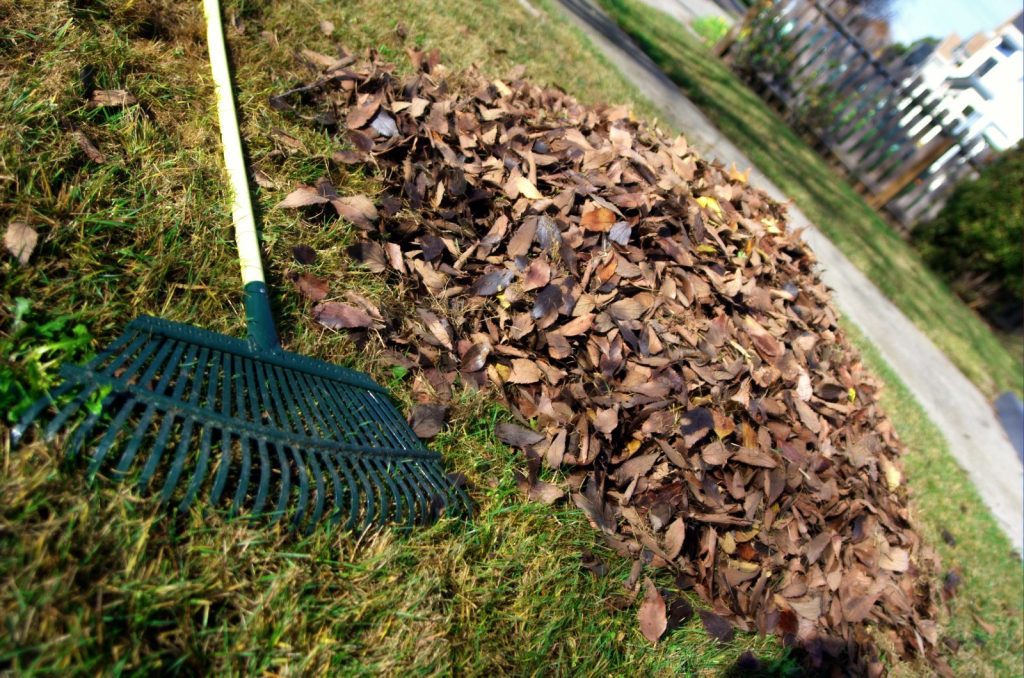
Every autumn brings the same chore and the same question: rake the leaves, or simply run the mower over them? A growing number of lawn-care guides now come down firmly on the side of the mower.
The reason is what happens to the shredded leaves next. Chopped into small pieces, they break down quickly into the lawn and return nutrients to the soil.
The case for mowing
- Free fertiliser. Decomposing leaf pieces feed the soil, which can mean buying and spreading less fertiliser.
- Less watering. A thin layer of leaf mulch helps the ground hold moisture and stay a little warmer.
- Fewer weeds. The same layer helps suppress weeds and supports life in the soil beneath the grass.
- Less waste. Leaves sent to landfill break down more slowly than on a lawn, and decomposing alongside non-organic rubbish releases significantly more methane.
The scale is bigger than it looks. US Environmental Protection Agency figures from 2018 put yard trimmings at 35.4 million tons of municipal solid waste, 12.1% of the total, with leaves making up the largest share by volume.
How to do it properly
A mulching mower does the job best, but a standard mower works with a few extra passes. Keep going until you can see about half an inch of grass above the shredded leaves. Mow again when the leaf cover builds up, and do not let leaves sit in thick, matted layers, because matted leaves rot slowly and unevenly.
When leaving leaves goes wrong
Ignoring leaves altogether is not the answer. A thick blanket can smother grass and encourage snow mold, a lawn disease. That is the situation where clearing some of them, by rake or by bagging mower, still makes sense.
Extra shredded leaves need not go to waste either: spread 3 to 6 inches over garden beds, or add them to compost at about 20 parts leaves to 1 part vegetable scraps.
Further reading
- Mulch — Wikipedia
- Lawn — Wikipedia
- “Grasscycling: A Key Practice for Sustainable Turfgrass Management” (2022), Grasses
- “Comparison of Conventional and Mulching Mowers for Kentucky Bluegrass Maintenance” (1985), HortScience
Image: Leaf rake and leaves by David Goehring, BY 2.0 via Wikimedia Commons
This article was produced with AI assistance and reviewed by our Editorial Desk. How we work.