Long before video doorbells, a nurse in Jamaica, Queens, and her husband designed a door with a sliding camera, a TV screen in the bedroom and a button to call for help. Marie Van Brittan Brown and Albert L. Brown filed their patent on August 1, 1966, and won it on December 2, 1969, as US Patent 3,482,037.
The idea grew out of long nights. Brown worked irregular shifts as a nurse, Albert's hours as an electronics technician were just as unpredictable, and she was often home alone after dark with no safe way to see who was knocking, according to the Lemelson-MIT Program's profile of Marie Van Brittan Brown.
How the 1966 system worked
The Browns combined parts that already existed into one setup. At the door sat several covered peepholes stacked one above another, with a camera on a motorized track that slid up and down behind them. As it reached each hole, it flipped the cover aside, so it could frame a tall visitor or a short one.
The camera sent its picture by radio to a television monitor on a control panel inside. A microphone and loudspeaker let the occupant talk to whoever was outside, a remote control could release the electric lock from a distance, and an alarm button could alert police or a security service. The patent's full claim, quoted on Wikipedia, describes the moving camera cabinet and its gear-driven path in detail.
Then and now: the Browns' door versus a modern video doorbell
- Seeing the visitor: a camera sliding past peepholes then; a fixed wide-angle lens now.
- Getting the picture inside: a radio link to a TV monitor then; Wi-Fi to a phone app now.
- Talking: a two-way microphone and speaker in both cases.
- Letting someone in: a remote-controlled electric lock then; a smart lock now.
- Calling for help: a push-button alarm then; app alerts and monitoring services now.
Almost every element of today's doorstep kit has a counterpart in the 1966 design. The big difference is cost: at the time, a home entryway CCTV setup ran to about $1,000, which put it out of reach for most single-family homes, as the Wikipedia account of the invention notes.
A patent ahead of its market
The Browns hoped manufacturers and home builders would pick it up. None did. The cameras and monitors were expensive, and most homeowners had little experience with surveillance gear.
Yet the patent kept getting cited. Lemelson-MIT counts 32 later patent applications that referenced it, while a July 2024 tally cited on Wikipedia puts the figure at 38. Brown also received an award from the National Scientists Committee for the work, per the Lemelson-MIT profile.
Marie Van Brittan Brown, born in New York City on October 30, 1922, died in Queens on February 2, 1999, at 76. Their daughter, Norma, also became a nurse and an inventor.
The Browns join a long line of Black inventors Badiyaa has profiled, from Garrett Morgan's 1923 traffic signal patent in Cleveland to Lewis Latimer's 1882 carbon filament patent.
Next week, on December 2, the patent turns 57.
Sources
- Marie van Brittan Brown, Lemelson-MIT Program, Massachusetts Institute of Technology, 2026
- Marie Van Brittan Brown, Wikipedia, 2026
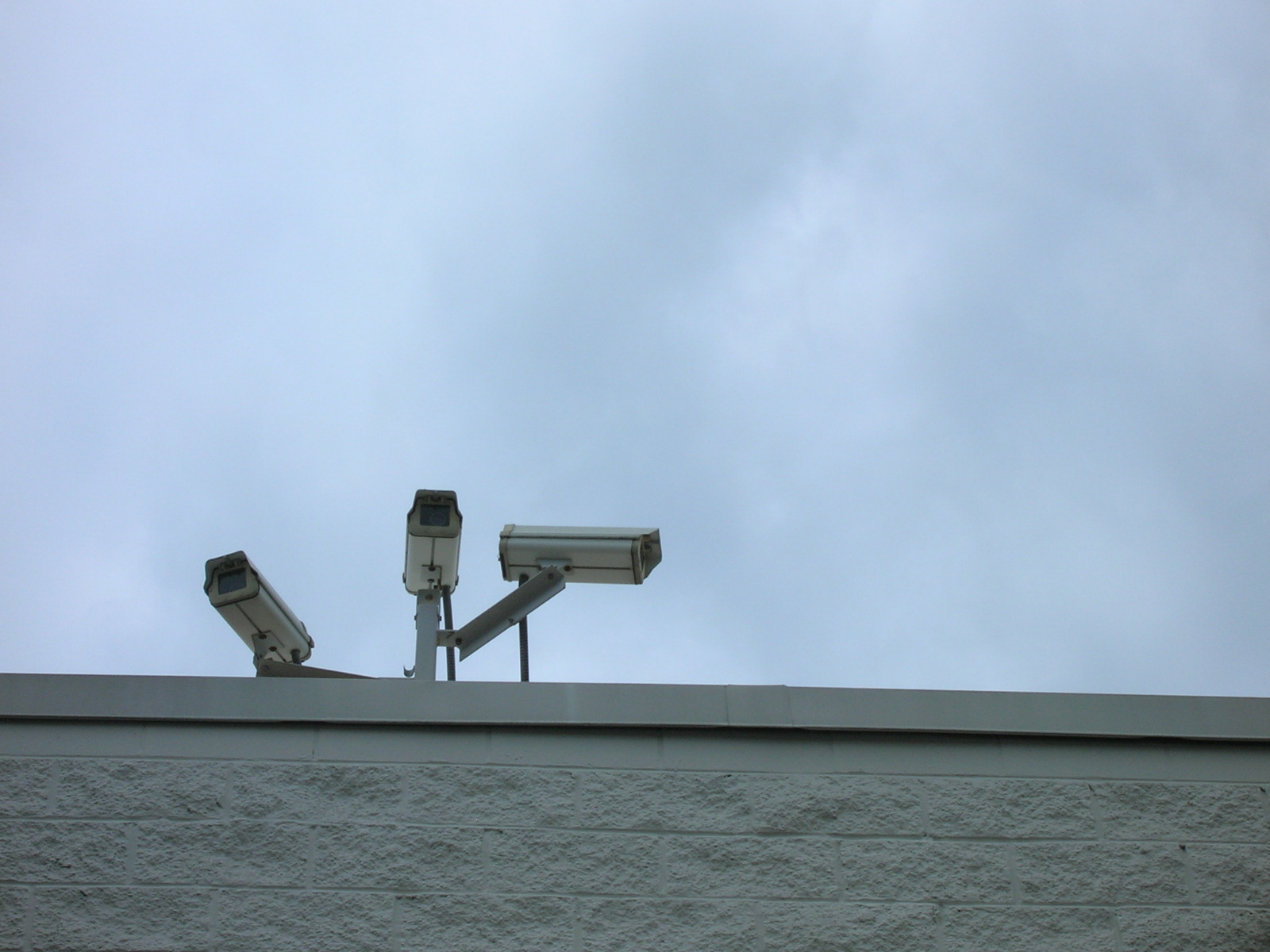
Image: Fourhazzy, CC0 via Wikimedia Commons
This article was produced with AI assistance and reviewed by our Editorial Desk. How we work.