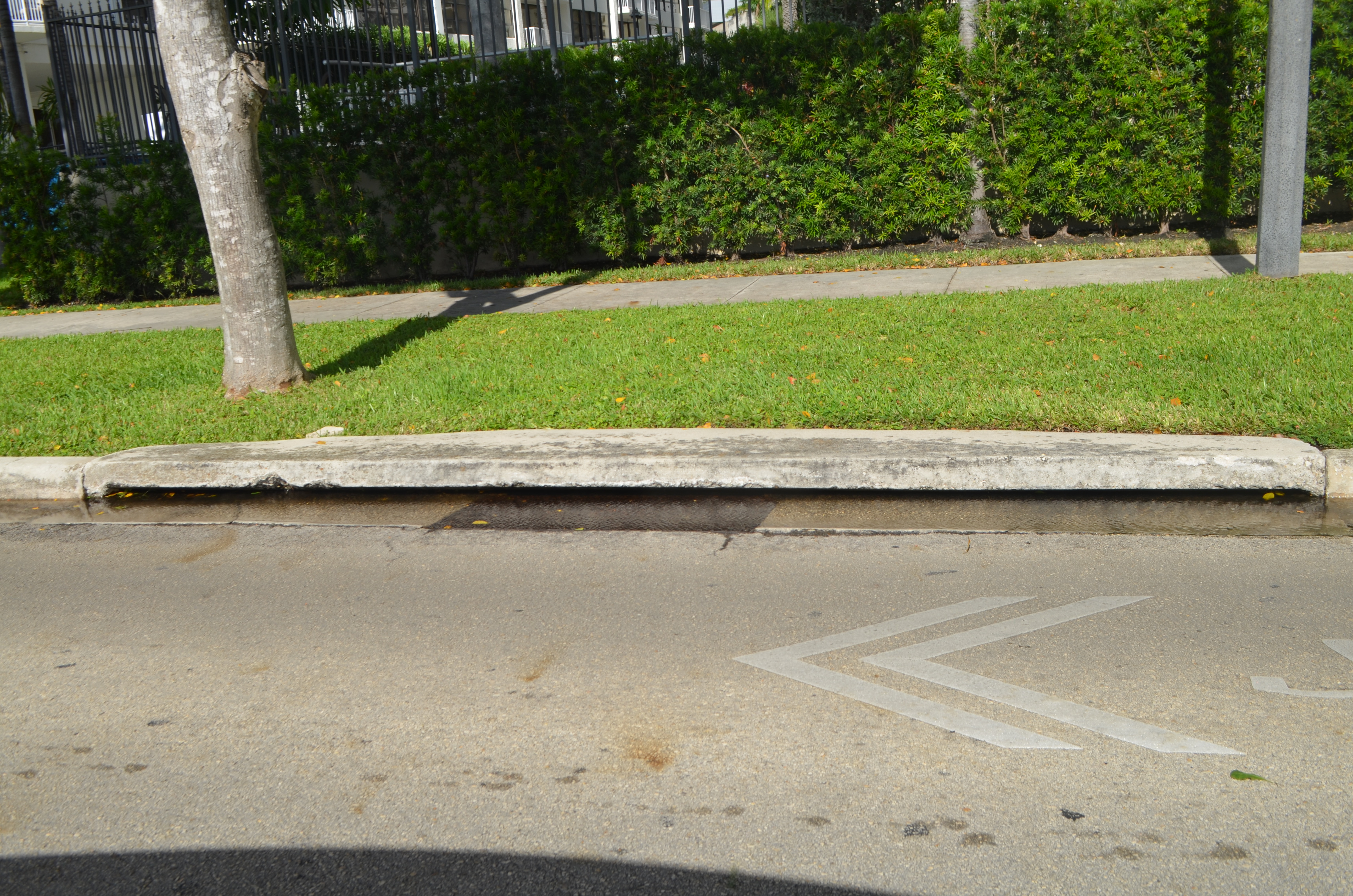
California's coast gets its next royal visit on December 23 to 25. Those are the dates the California King Tides Project has picked for the season's second round of king tides, the highest predicted tides of the year, landing right on top of Christmas Eve.
The first set rolled in over Thanksgiving week, November 24 to 26, and a third follows on January 21 and 22, 2027, according to the California Coastal Commission's King Tides Project page. The project asks people to photograph the shoreline at high water and add the pictures to a statewide map, putting one blunt question to every visitor: "What will our coast look like when the King Tides of today become our everyday high tides?"
Not a scientific term, but a real effect
"King tide" is a popular label rather than a technical one. NOAA's National Ocean Service describes it as a non-scientific way of saying exceptionally high tide. The phrase itself is young: Wikipedia's king tide entry traces it to Australia in 2009, from where it spread to North America, especially low-lying South Florida and Vancouver's seawall.
The physics is old and predictable. Tides are very long waves pulled around the planet by lunar and solar gravity. Twice a month, at new and full moon, the two line up and their pulls add together, producing larger spring tides. (Spring here has nothing to do with the season.)
The perigee boost
The moon's orbit is an oval, so about every 28 days it swings to perigee, its closest point to Earth, where its pull is strongest. Roughly 14 days later it reaches apogee, its farthest point. When a new or full moon falls close to perigee, which NOAA's explainer on perigean spring tides says happens six to eight times a year, high tides get an extra push.
That push can be big. NOAA says high tides during a perigean spring tide commonly run more than a foot above those during spring tides near apogee. In Anchorage, Alaska, where the tidal range tops 30 feet, the gap can reach 3 feet or more. The moon does most of the work: its tidal pull is about twice as strong as solar gravity because it is so much closer.
Winter adds one more nudge. Earth reaches perihelion, its closest approach to our star, in early January, which is why the year's biggest tides tend to cluster from December to February.
Why Christmas Eve is a bonus
The December run coincides with a full moon. As Badiyaa has reported, December 24 brings the Cold Moon, a Christmas Eve supermoon, the last in a run that began with the November 24 supermoon, the first of three in a row. A close full moon is exactly the recipe for a king tide.
The same days bring extreme low tides too, a good chance to explore tide pools. Birders love them as well: at San Francisco's Heron's Head Park, a guided walk on December 24 is timed to the king tide, which pushes shorebirds out of the low marsh where they are easier to see.
The Coastal Commission stresses that its dates are pure astronomy and leave out storm surge and El Niño, and that forecasters expect a strong El Niño this winter. It asks visitors to stay well back from the water, check local guidance and give shorebirds plenty of room.
Sources
- California King Tides Project, California Coastal Commission, 2026
- What is a King Tide?, NOAA National Ocean Service, 2026
- What is a perigean spring tide?, NOAA National Ocean Service, 2026
- King tide, Wikipedia, 2026
Image: B137, CC0 via Wikimedia Commons
This article was produced with AI assistance and reviewed by our Editorial Desk. How we work.