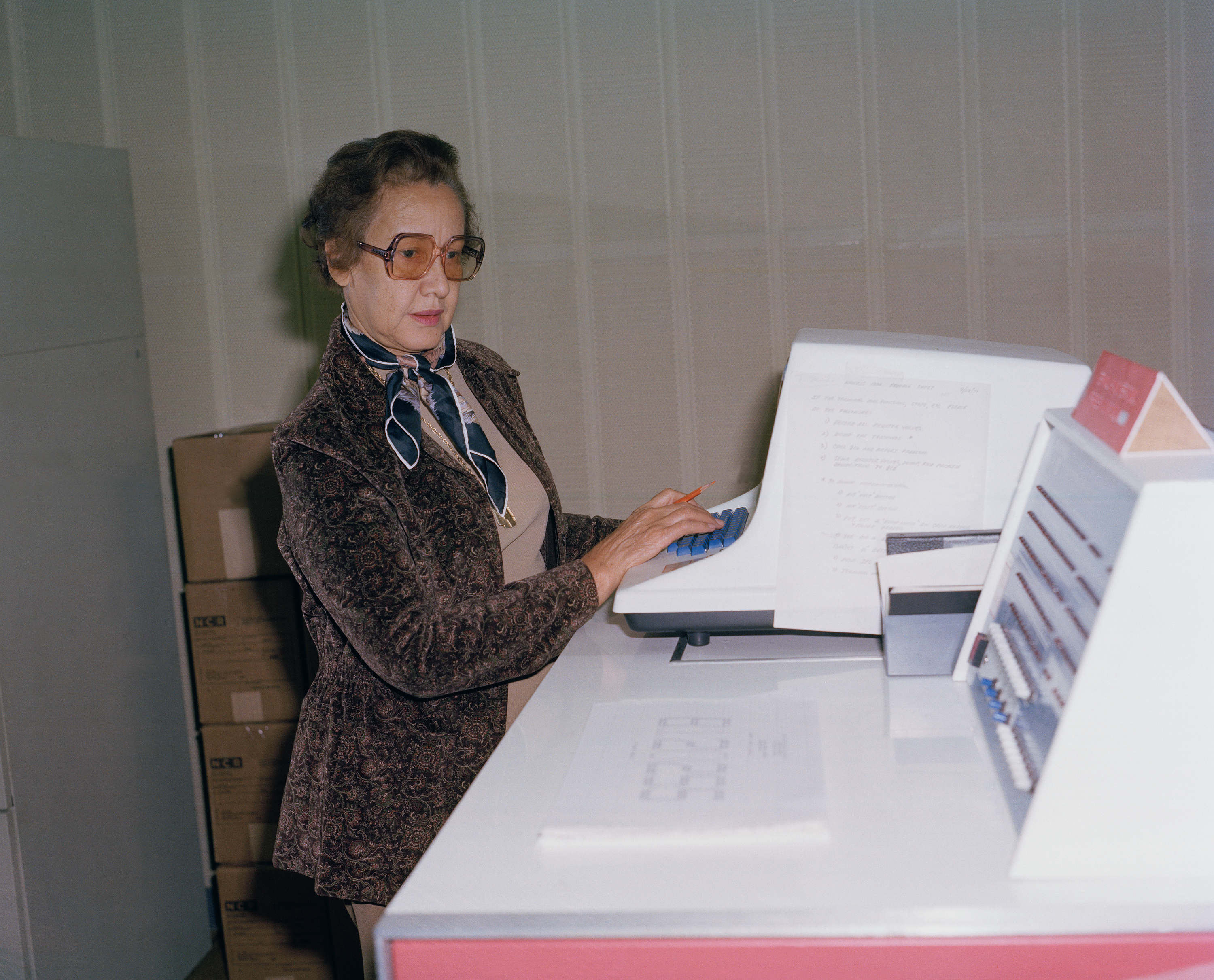
John Glenn would not fly until Katherine Johnson checked the math. Before his Friendship 7 orbit in February 1962, Glenn asked NASA engineers to "get the girl," Johnson, to run the computer's orbital equations by hand on her desk calculator, according to NASA's own biography of Johnson, written by Hidden Figures author Margot Lee Shetterly.
Johnson remembered exactly what he said next: "If she says they're good," the astronaut told them, "then I'm ready to go."
Why an astronaut trusted a person over a machine
Glenn's flight needed a worldwide tracking network wired to IBM computers in Washington, Cape Canaveral and Bermuda. The astronauts were wary of trusting their lives to machines that were prone to hiccups and blackouts, NASA's biography explains. Johnson had already done the trajectory analysis for Alan Shepard's Freedom 7 flight in May 1961, America's first human spaceflight.
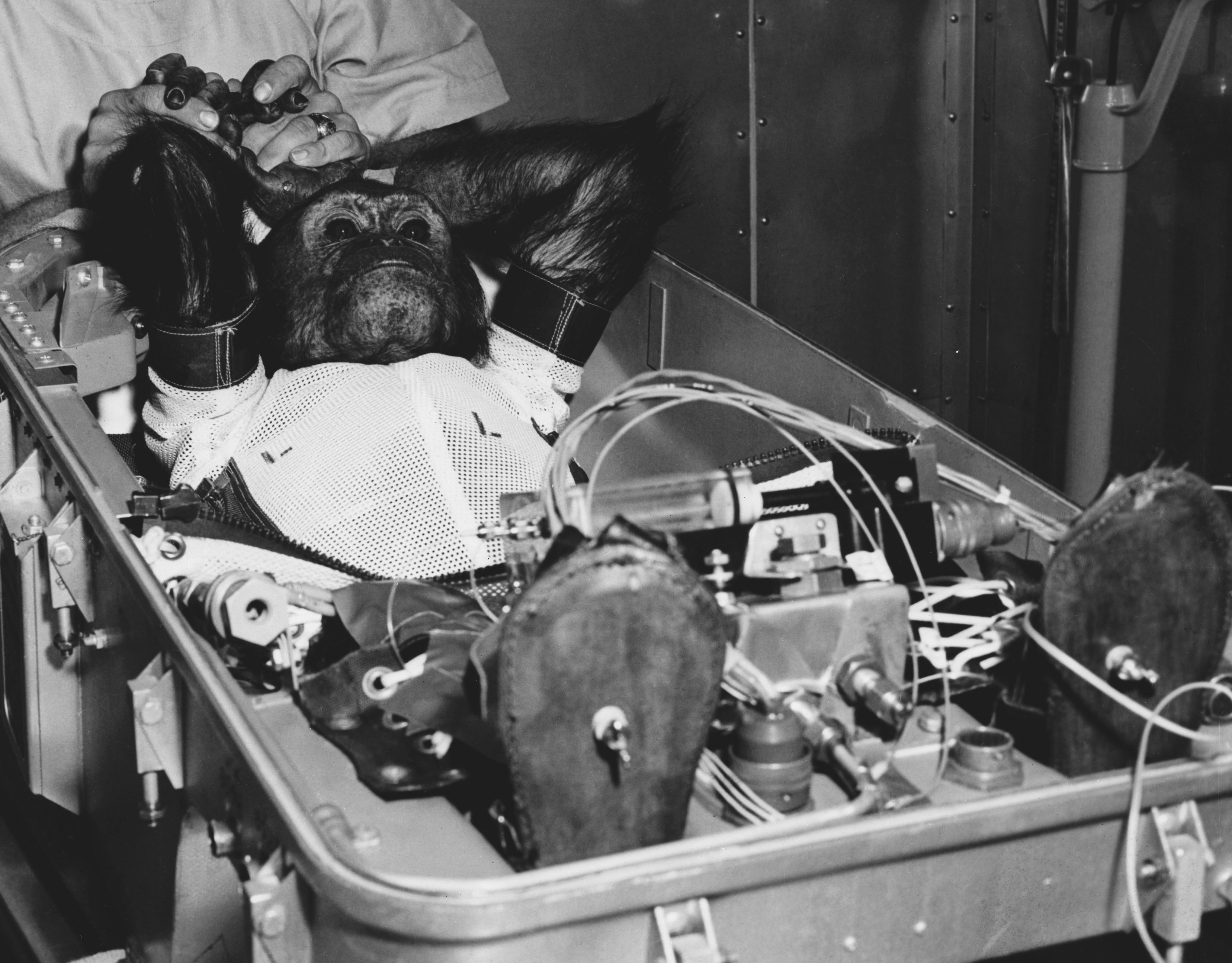
She checked the numbers. On February 20, 1962, Glenn became the first American to orbit Earth, circling three times in 4 hours, 55 minutes and 23 seconds, according to the Friendship 7 mission record. The capsule and rocket had been cleared for a human only after Enos the chimpanzee flew the same type of mission in November 1961.
From a segregated office to a NASA building with her name
Johnson was born Creola Katherine Coleman in White Sulphur Springs, West Virginia, on August 26, 1918. Her county offered Black students no public schooling beyond eighth grade, so her family sent her to a high school on a college campus, which she entered at 10, and she graduated from West Virginia State College at 18 with degrees in mathematics and French, says her Wikipedia biography.
She joined the federal aeronautics agency at Langley in Virginia in June 1953. Under segregation rules, she and the other Black women in the computing pool had to work, eat and use restrooms apart from white colleagues, in an office labeled "Colored Computers." In 1960 she and engineer Ted Skopinski wrote a report on placing a satellite over a chosen spot on Earth, the first time a woman in her division was credited as an author.
Her math later helped sync the Apollo lunar module with its command module, and her backup charts helped bring the Apollo 13 crew home. "Everybody was concerned about them getting there," she said in a 2010 interview. "We were concerned about them getting back."
Recognition, late but loud
Johnson retired in 1986 after 33 years and 26 research reports. "I loved going to work every single day," she said. At 97 she received the Presidential Medal of Freedom in 2015, Taraji P. Henson played her in the 2016 film Hidden Figures, and NASA named a computational research building at Langley after her. She died on February 24, 2020, at 101.
Badiyaa has also profiled other overlooked Black innovators, including Marie Van Brittan Brown, who patented home video security in 1969, and Frederick McKinley Jones, who built the truck refrigerator behind Thermo King.
Sources
- Katherine Johnson Biography, NASA, 2016
- Katherine Johnson, Wikipedia, 2026
- Mercury-Atlas 6 (Friendship 7), Wikipedia, 2026
Image: NASA, Public domain via Wikimedia Commons
This article was produced with AI assistance and reviewed by our Editorial Desk. How we work.