Sam Cooke was turned away from a whites-only motel in Shreveport, Louisiana, on October 8, 1963. Within months he had written "A Change Is Gonna Come," the song that became an anthem of the civil rights movement and that he sang on national television only once.
The night in Shreveport turned ugly fast. Cooke had called ahead to the Holiday Inn North to book rooms for himself and his wife, Barbara, but the desk clerk claimed there were no vacancies. Cooke refused to leave and demanded the manager. When his wife warned him, "They'll kill you," he answered, "They ain't gonna kill me, because I'm Sam Cooke," according to the song's history on Wikipedia. Police later arrested the group at another motel for disturbing the peace.
A dream, a Dylan song and a bus ride
Shreveport was not the only spark. Cooke had been deeply moved by Bob Dylan's "Blowin' in the Wind" in 1963 and was ashamed he had not written something like it himself; he worried about losing his large white fan base. Toward the end of that year, by Cooke's own account, the song came to him in a dream. One researcher has traced a first draft to a bus ride in Durham, North Carolina.
After Christmas 1963 he played it on guitar for his business partner J. W. Alexander, who warned him it might not sell like his lighter hits. Cooke did not care. He said he hoped it would make his father, a Baptist minister, proud.
Recorded once, performed on TV once
Cooke cut the song on January 30, 1964, at RCA's studio in Hollywood. For the first time he handed his arranger, René Hall, total control, and Hall wrote it like a film score, with strings, French horn and timpani. Session drummer Earl Palmer, working next door, stepped in after the booked drummer was too intimidated to play.
Cooke premiered it on The Tonight Show Starring Johnny Carson on February 7, 1964. The network did not keep the tape, and the Beatles' famous Ed Sullivan appearance two days later swallowed the attention. Cooke then decided never to perform it again. When his protégé Bobby Womack said it sounded "like death," Cooke replied: "Man, that's kind of how it sounds like to me. That's why I'm never going to play it in public."
A single he never saw released
The song first appeared on the album Ain't That Good News in 1964. RCA prepared an edited single for December 22, 1964, as the B-side of "Shake." Cooke was killed in Los Angeles on December 11, 11 days before it came out, as his Wikipedia biography records. The single reached No. 31 on the main US pop chart and No. 9 on the R&B chart.
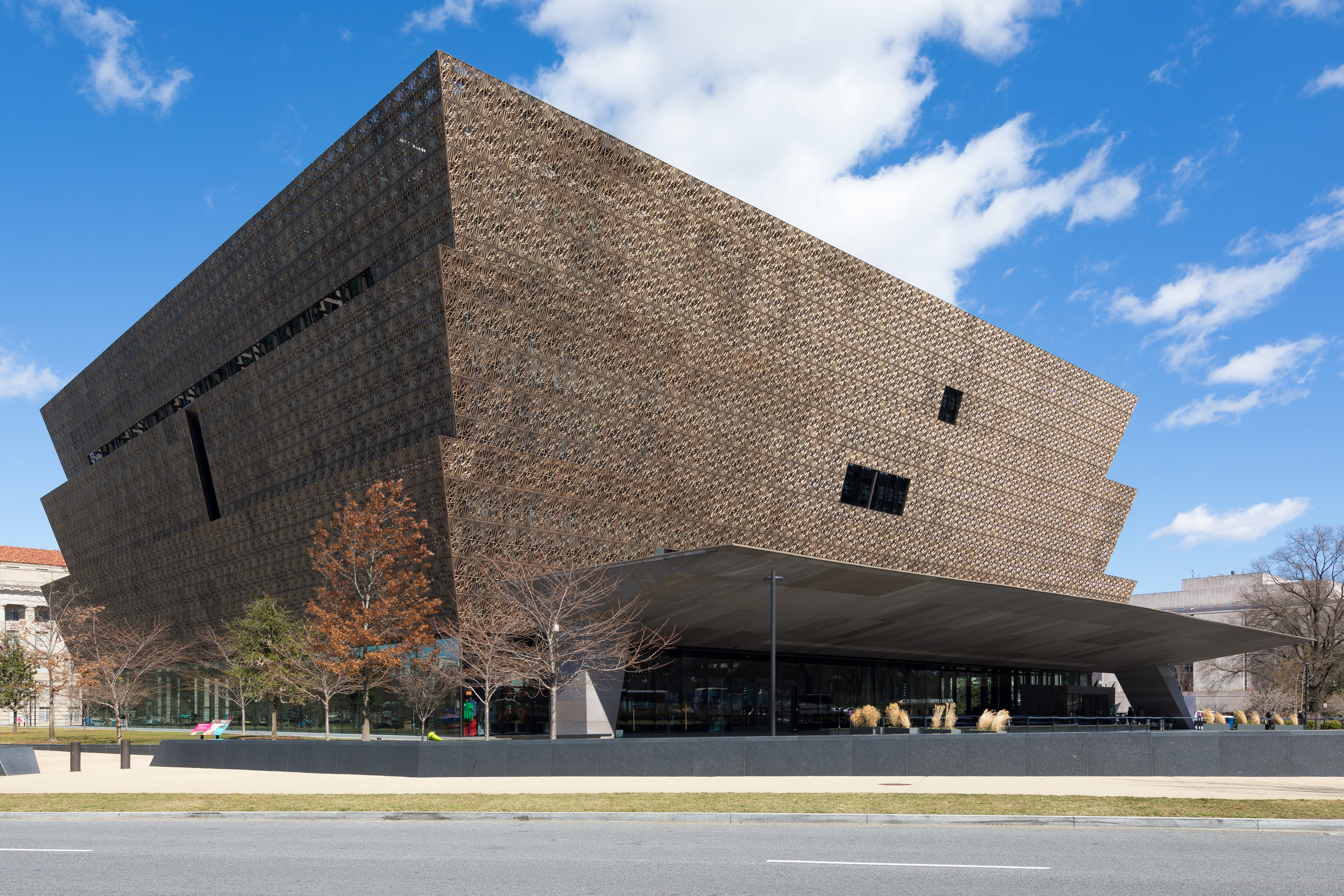
Its afterlife was far bigger. Otis Redding covered it in 1965 and Aretha Franklin in 1967, and Spike Lee used it in Malcolm X in 1992. The Library of Congress added Cooke's recording to the National Recording Registry in 2007, and the words "A change is gonna come" are on a wall of the Contemplative Court at the Smithsonian's National Museum of African American History and Culture, which opened in 2016.
For more on the soul era, read how Berry Gordy turned an $800 family loan into Motown, and Badiyaa's profile of Gordon Parks, who went from a pawnshop camera to Shaft.
Sources
- A Change Is Gonna Come, Wikipedia, 2026
- Sam Cooke, Wikipedia, 2026
- National Museum of African American History and Culture, Wikipedia, 2026
Image: Frank Schulenburg, CC BY-SA 4.0 via Wikimedia Commons
This article was produced with AI assistance and reviewed by our Editorial Desk. How we work.