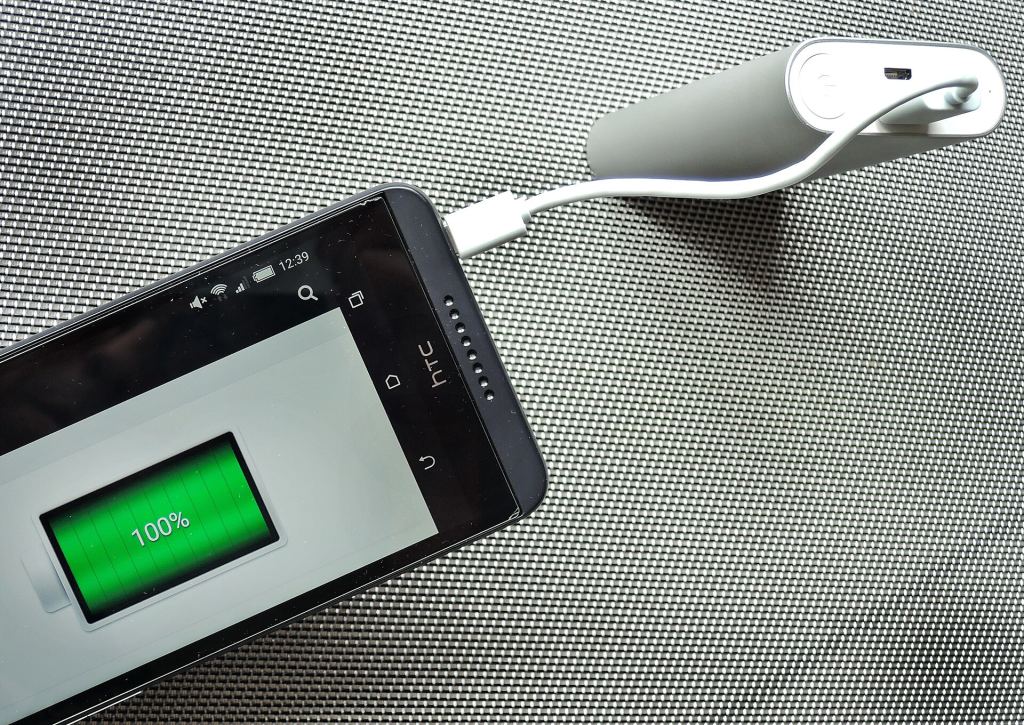
An IndiGo flight from Delhi to Chennai diverted to Hyderabad at the weekend after a passenger’s power bank caught fire in an overhead bin mid-flight. Passengers on flight 6E 6115 rushed to help put out the flames, which spread to luggage in the bin, and the aircraft landed safely in Hyderabad.
It is not IndiGo’s first brush with the problem. In October 2025 a power bank caught fire on board a Dimapur-bound IndiGo aircraft at Delhi airport, halting the flight before take-off; all passengers were reported safe. Both incidents fit a pattern that regulators have been chasing for two years: lithium-ion cells that overheat, vent and ignite, a process known as thermal runaway.
Why the overhead bin matters
The case most often cited by airlines is Air Busan Flight 391, which caught fire on the ground at Gimhae airport in Busan in January 2025. South Korean investigators said in March 2025 that a power bank was the likely cause, and Air Busan responded by barring power banks from overhead bins altogether. The logic is simple. A battery in a seat pocket or on a tray table is seen and dealt with in seconds; one buried in a closed bin can burn unnoticed until smoke appears.
India’s regulator has already moved. In January 2026 the Directorate General of Civil Aviation (DGCA) issued a circular banning the use of power banks to charge devices during flights, and stopping passengers from recharging power banks from aircraft seat sockets. Carriers elsewhere went further, earlier. Emirates banned in-flight use of power banks from October 2025, and the Lufthansa Group, including SWISS, has since changed its own rules. The International Civil Aviation Organization (ICAO) has now adopted restrictions that limit passengers to two power banks and bar charging them on board.
The baseline in the US and UK
The Federal Aviation Administration (FAA) is clear on the fundamentals. Spare lithium batteries, which include power banks, must travel in carry-on bags and never in checked luggage. Batteries up to 100 watt-hours (Wh) are allowed without approval; those between 101 and 160Wh need the airline’s permission, with a limit of two per passenger. Anything larger stays at home.
The UK Civil Aviation Authority (CAA) applies the same international rules and has campaigned hard on them. The CAA has warned of the danger posed by more than 100 million incorrectly packed batteries, and its Pack Right campaign singles out power banks and vapes as the items most likely to cause trouble in a hold, where a fire cannot be reached.
The gap between regulator and airline is where travellers get caught out. FAA and CAA rules set a floor. Individual airlines, from Emirates to Lufthansa, then layer on their own conditions about whether a bank can be used, where it can be stored and whether it must stay visible. A bank that is legal to carry may still be banned from use on a particular flight.
What to do before and during a flight
- Pack every power bank in hand luggage, and take it out of a cabin bag that gets gate-checked.
- Check the rating. Watt-hours equal milliamp-hours multiplied by voltage, divided by 1,000, so a typical 20,000mAh bank at 3.7 volts is about 74Wh.
- Keep it on your person or under the seat in front, not in the overhead bin.
- Do not plug it into a seat socket on an Indian carrier, and read your airline’s policy before using it on any other.
- Leave swollen, dented or very cheap unbranded banks at home.
- If a device gets hot, smells or smokes, tell the cabin crew at once rather than moving it yourself. Crew are trained and equipped to deal with battery fires.
The ICAO two-bank limit and the DGCA’s ban on in-flight charging apply to every passenger on 6E 6115’s route, and to every other domestic flight in India.
Further reading
- FAA PackSafe: Lithium Batteries
- UK CAA: Regulator warns of potentially deadly threat posed by over 100 million incorrectly packed batteries
- Wikipedia: Air Busan Flight 391
- Wikipedia: IndiGo
Image: Mk2010, CC BY-SA 4.0 via Wikimedia Commons
This article was produced with AI assistance and reviewed by our Editorial Desk. How we work.