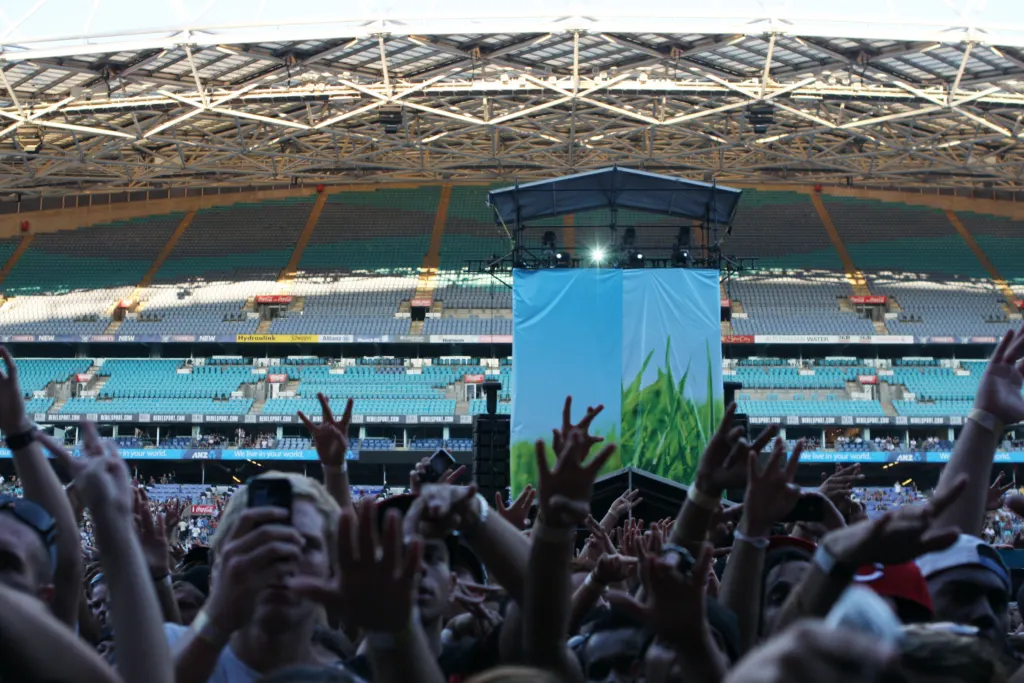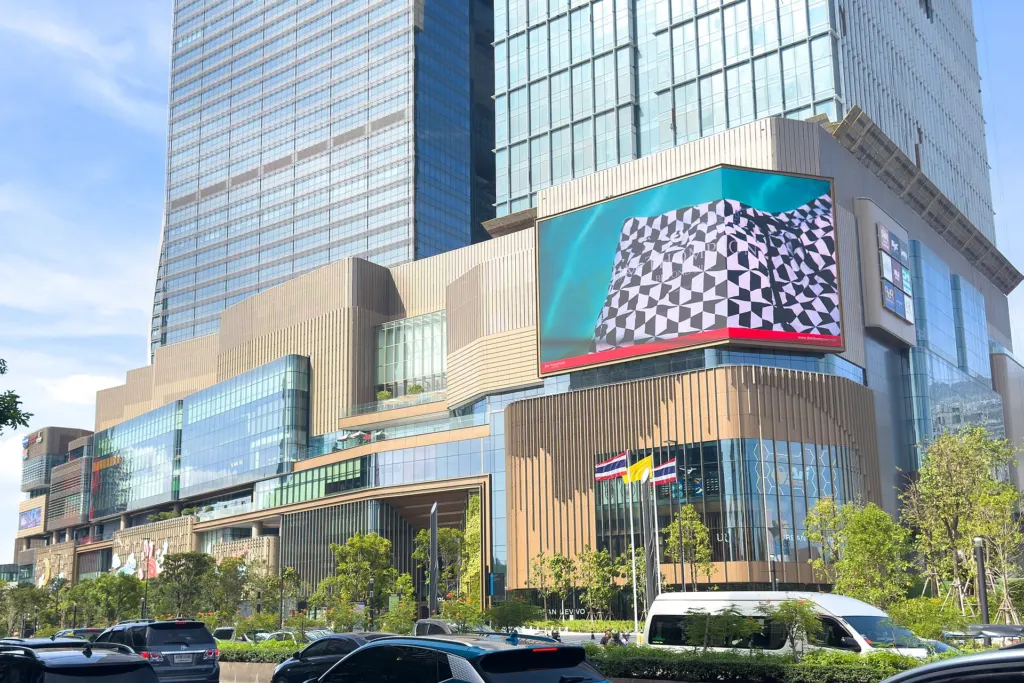
Eurovision’s first contest built for Asia goes live in Bangkok on Saturday, November 14, 2026, at 8:30 p.m. local time, with eleven countries and a stage at One Bangkok Forum. It took 18 years of false starts to get here.
The Eurovision Song Contest Asia is run by Voxovation under licence from the European Broadcasting Union, produced by S2O Productions and staged by Thailand’s Channel 3. Woody Milintachinda and Cindy Bishop host.
Who is competing
Eleven broadcasters are taking part: Bangladesh, Bhutan, Cambodia, Laos, Malaysia, Mongolia, Nepal, the Philippines, South Korea, Thailand and Vietnam. Ten were named when the contest was announced on March 31, 2026, and Mongolia joined in August.
The running order opens with Vietnam’s Tóc Tiên singing “Em Tiên” and closes with Malaysia’s Aina Abdul and “Bluest Sky.” South Korea sends Junhee with the English-language “Deep Dive,” the Philippines sends Carmelle with “Sobra-Sobra,” and the hosts are represented by Mang and Daou with “Aroma,” sung in Thai. Every country picked its act through a televised national final except Malaysia, which chose internally.
How the show works
- Each song must run under three minutes, with no more than six people on stage.
- Results are split 50/50 between professional juries and the public vote.
- Viewers outside the eleven countries can vote too; their votes are pooled into one set of points labeled “Rest of the World.”
- The champion gets a guest performance slot at next year’s main contest, Eurovision 2027, which Bulgaria stages in Burgas.
The show opens with a flag parade in which the eleven acts arrive on stage in tuk-tuks. Interval guests include Dara, winner of the main Eurovision Song Contest in 2026, and Thai singer Jeff Satur. The EBU is streaming the final on its Eurovision Song Contest YouTube channel, and broadcasters in Australia, Israel, Poland and Sweden are carrying it even though those countries are not competing.
Eighteen years in the making
The EBU first announced an Asia-Pacific spin-off in September 2008. That version, later called Our Sound, lined up 16 countries and never happened. In 2016, Australia’s SBS took over and named the project Eurovision Asia, at one point targeting a 2019 debut on the Gold Coast, before shelving it in 2021. Voxovation picked up the format, and the contest was formally launched in March 2026.
Badiyaa’s timeline in one line: announced 2008, rebooted 2016, shelved 2021, relaunched 2026, staged 6,648 days after that first 2008 plan was announced if you count from September 1, 2008.
One rule shapes the map. Broadcasters that already compete in the main Eurovision Song Contest cannot enter the Asian edition, which is why Australia, a Eurovision regular, is watching rather than singing. The word “Eurovision” stayed in the title because the participating Asian broadcasters asked for it.
A multilingual pop lineup
Several entries mix languages: Vietnam’s song moves between Vietnamese, English and Thai, while Cambodia, Laos, Malaysia and the Philippines each pair English with a national language. A compilation album of the entries, minus Thailand’s song, came out on November 6.
For more from the Eurovision universe, see how a Melbourne school set the ABBA impersonator world record with 368 people, and find more music stories on our Entertainment section page.
National juries’ top scores will be read out by spokespersons from all eleven countries, starting with Vice Ganda for the Philippines and ending with Maneenuch Smerasut for Thailand.
Further reading
Image: Magnamonkun, CC0 via Wikimedia Commons
This article was produced with AI assistance and reviewed by our Editorial Desk. How we work.