By one stubborn internet calendar, today is not November 25, 2026. It is September 12,139, 1993, because for a certain kind of old-school netizen, September 1993 never ended.
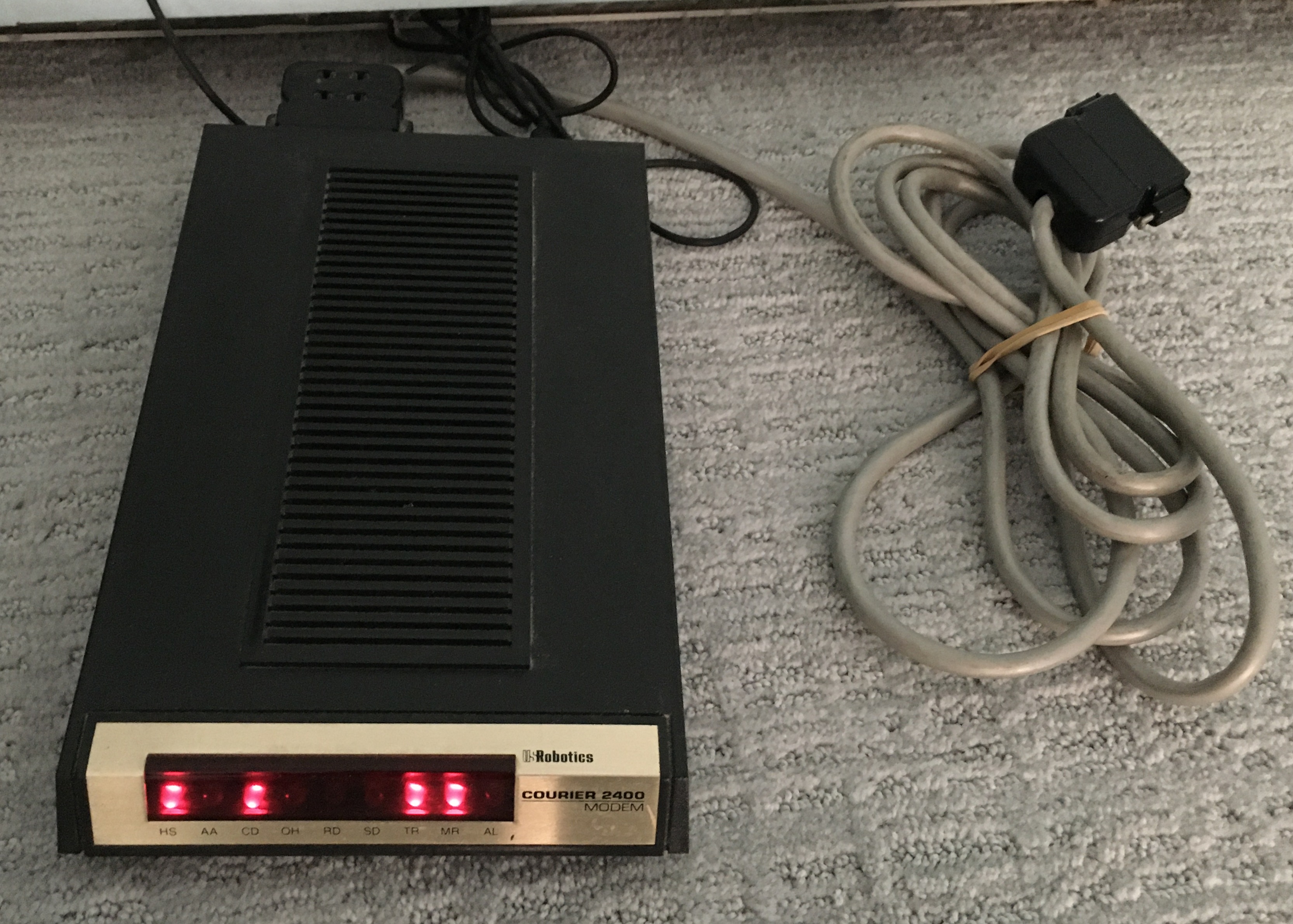
That is the joke behind Eternal September, one of the oldest grudges online. Before the mid-1990s, Usenet, the sprawling network of discussion groups that predates the web, had one predictable bad month. Every September, a wave of North American first-year university students got their first accounts and stumbled in without knowing the etiquette. Veterans dreaded it, then watched the newcomers settle down within a few months.
The month that never stopped
Then commercial internet providers opened the gates. According to Wikipedia's history of Eternal September, the flood of inexperienced users that began in late 1993 swamped the old forums' ability to police themselves, and AOL's Usenet gateway, which opened in March 1994, kept the stream coming. September stopped being a season and became a permanent state.
The Jargon File's entry for "September that never ended", preserved by the Internet Archive, defines the term bluntly as "All time since September 1993." It blames AOL users for "nearly overwhelming the old-timers' capacity to acculturate them," and dates their arrival to September 1993, six months earlier than the gateway date Wikipedia gives. Old-timers, it seems, still argue about exactly when the rot set in.
Who said it first
The phrase grew over a few weeks of grumbling on the alt.folklore newsgroups. On January 8, 1994, Joel Furr asked whether the online service Delphi had "unleashed a staggering amount of weirdos on the net," and Karl Reinsch replied, "Of course it's perpetually September for Delphi users, isn't it?" On January 25, 1994, David Fischer wrote in alt.folklore.computers: "It's moot now. September 1993 will go down in net history as the September that never ended." Wikipedia notes that this line has been suggested as the first reference; the exact words "Eternal September" may first appear in a February 1994 post titled "The Eternal September" by John William Chambless.
Still counting
The joke became a calendar. A Unix program called sdate prints the date as September X, 1993, with X counting every day since. Usenet regulars still play along: in a January 2021 thread in the news.misc newsgroup, still readable in Google's Usenet archive, one poster marked the milestone with "Saturday (January 16) is September 10000, 1993." Badiyaa checked the arithmetic: counting from August 31, 1993, January 16, 2021 is day 10,000, and today, November 25, 2026, is day 12,139. September 1993 is now more than 33 years long.
The new Eternal September
The phrase has found a second life in the age of AI. In February 2026, GitHub's director of open source programs, Ashley Wolf, wrote on the GitHub Blog: "Today, open source is experiencing its own Eternal September. This time, it's not just new users. It's the sheer volume of contributions." Her point was blunt: "The cost to create has dropped but the cost to review has not." The post points to the curl project, which scrapped its bug bounty after a surge of AI-written security reports that each took hours to check, and to Ghostty, which now takes code contributions by invitation only.
Academics teach it as early internet history too, as in a San Diego State University computer science explainer by Professor Emerita Kris Stewart, which asks readers to recall their first email address.
The cheeky truth is that everyone was once the clueless newbie. For more on that early-internet era, read Badiyaa's story on Linux and Linus Torvalds' 1991 hobby post, and our look at Nyx, the free Denver internet provider still running in 2026.
Sources
- Eternal September, Wikipedia, 2026
- September that never ended (Jargon File, archived copy), Internet Archive, 2024
- news.misc thread, January 2021, Usenet archive, Google Groups, 2021
- GitHub Blog post by Ashley Wolf on open source maintainers, GitHub, 2026
- Eternal September (historic Internet, 1993 on), San Diego State University, 2025
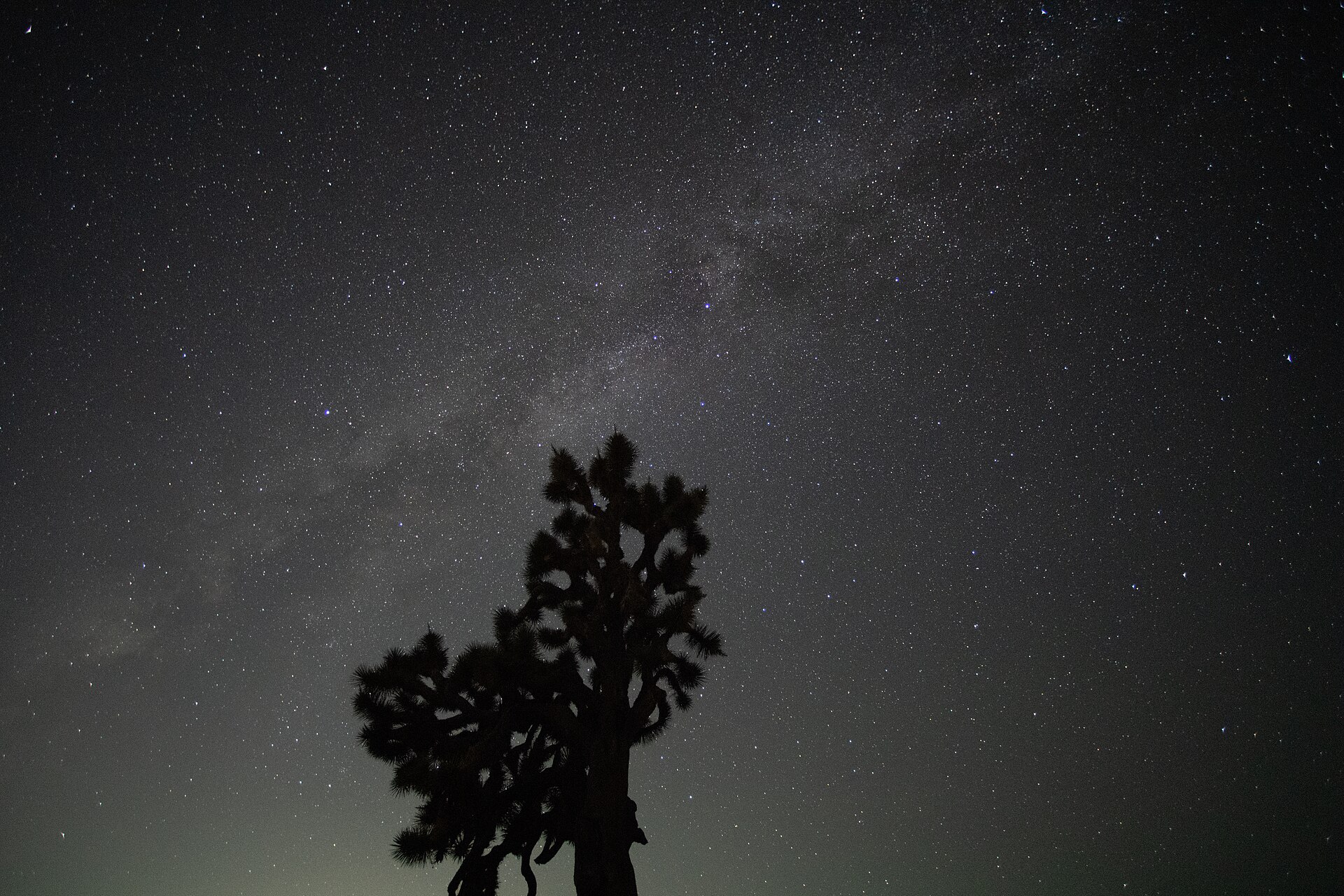
Image: Jonathan Schilling, CC BY-SA 4.0 via Wikimedia Commons
This article was produced with AI assistance and reviewed by our Editorial Desk. How we work.