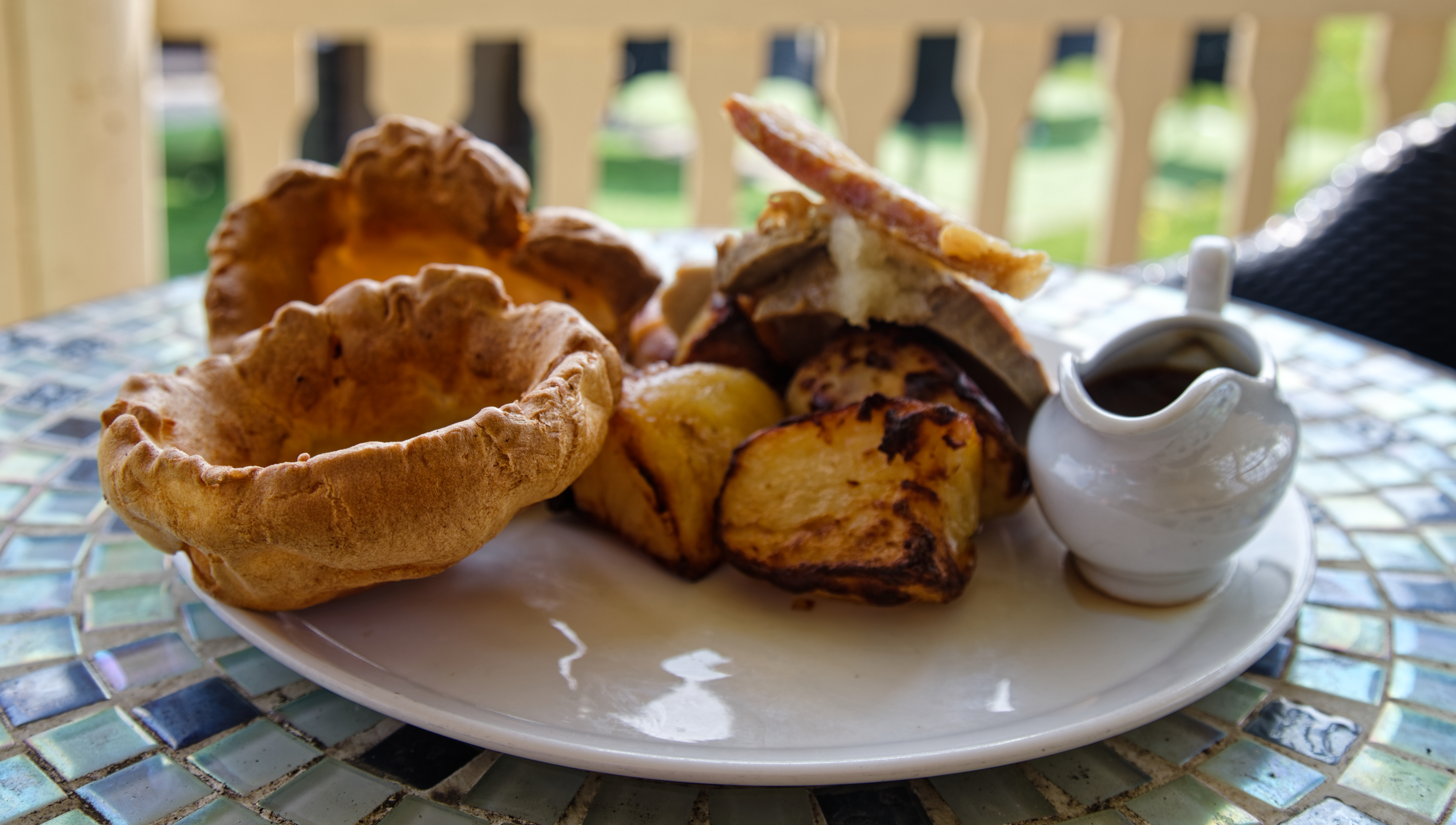
Somewhere tonight a Thanksgiving cook is whisking powder into hot water and calling it gravy. That shortcut is British. The first instant gravy came from Bisto in 1908, and by 2005 its granules had more than 70% of the British market, a grip on Sunday dinner that few food brands anywhere can match.
From meat powder to granules
According to the Bisto brand's Wikipedia entry, the original product was invented in 1908 by two men recorded only as Messrs McRoberts and Patterson. It was a meat-flavoured powder that cooks stirred into their own pan juices to thicken them and deepen the taste. It quickly became a bestseller.
The bigger leap came in 1979, when Bisto Granules arrived. Instead of boosting homemade gravy, the granules dissolved in hot water to make the whole thing from scratch. A pricier Bisto Best range in a glass jar followed in 1991. Today the line runs from beef and chicken to limited editions such as Pigs In Blankets in 2022 and Peri Peri in 2025.
The kids who sniffed their way into history
Bisto's advertising is almost as old as the gravy. In 1919 the illustrator Will Owen created the Bisto Kids, a ragged boy and girl catching the smell of gravy on the breeze and sighing "Ah, Bisto!" Owen's own Wikipedia biography notes that the pair are among his best-known images, alongside work for Bovril, Lux and Lifebuoy.
A 1930s competition in Birmingham named the twins Bill and Maree, after the winning couple. The ads kept rolling for decades: England captain Bobby Moore starred in the first colour Bisto commercial in 1969, and a 1970s slogan promised gravy that "browns, seasons and thickens all in one." The Kids last appeared in Bisto advertising in 1996.
A timeline of Britain's gravy
- About 1390: gravy turns up in The Forme of Cury, a recipe collection from the master cooks of King Richard II.
- 1908: Bisto's gravy powder goes on sale.
- 1919: the Bisto Kids appear in newspapers.
- 1979: Bisto Granules launch.
- 2005: the granules hold over 70% of the British market.
- 2007: Premier Foods takes over the brand when it buys Rank Hovis McDougall.
Counted from that medieval scroll, gravy has been on English tables for well over 600 years. The Forme of Cury's Wikipedia entry adds a bonus fact for American readers: the same 14th-century collection holds the earliest known recipe for macaroni and cheese.
Supermarket gravy and the Thanksgiving table
For anyone comparing jars in the aisle, one detail stands out. Bisto's main competitor, Goldenfry Foods, makes its own branded gravy as well as most of Britain's supermarket own-brand gravies, so many of the cheaper tubs share a single maker.
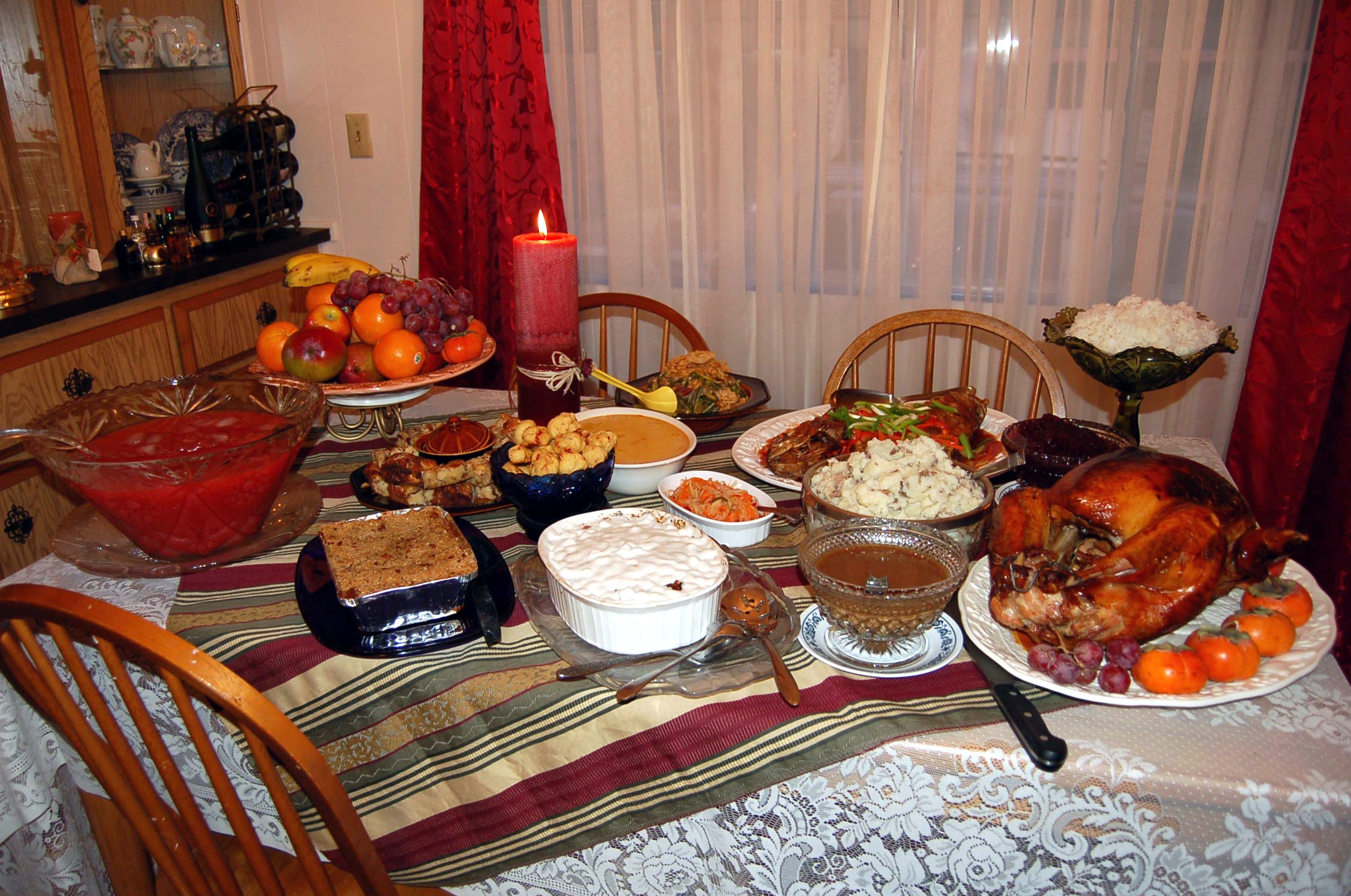
Across the Atlantic, the instant habit spread to brands such as Heinz, Knorr and McCormick. Wikipedia's history of gravy traces the word to the Old French gravé and notes how firmly the sauce settled into North American holidays, poured over turkey and potatoes at Thanksgiving and Christmas. The South added sausage gravy over biscuits, a breakfast that took shape in southern Appalachia in the late 1800s, and Quebec built poutine around it in the 1950s.
Bisto still has a sense of theatre. In 2025 it teamed up with Wallace and Gromit and opened a pop-up gravy restaurant, The Gravy Boat, in Paddington, London.
Planning the rest of the feast? See Badiyaa's breakdown of the 4,500-calorie Thanksgiving dinner, the 1600s roots of candied yams, and Britain's Stir-up Sunday pudding ritual.
Sources
- “Bisto”, Wikipedia, 2026
- “Will Owen (illustrator)”, Wikipedia, 2026
- “The Forme of Cury”, Wikipedia, 2026
- “Gravy”, Wikipedia, 2026
Image: Acabashi, CC BY-SA 4.0 via Wikimedia Commons
This article was produced with AI assistance and reviewed by our Editorial Desk. How we work.