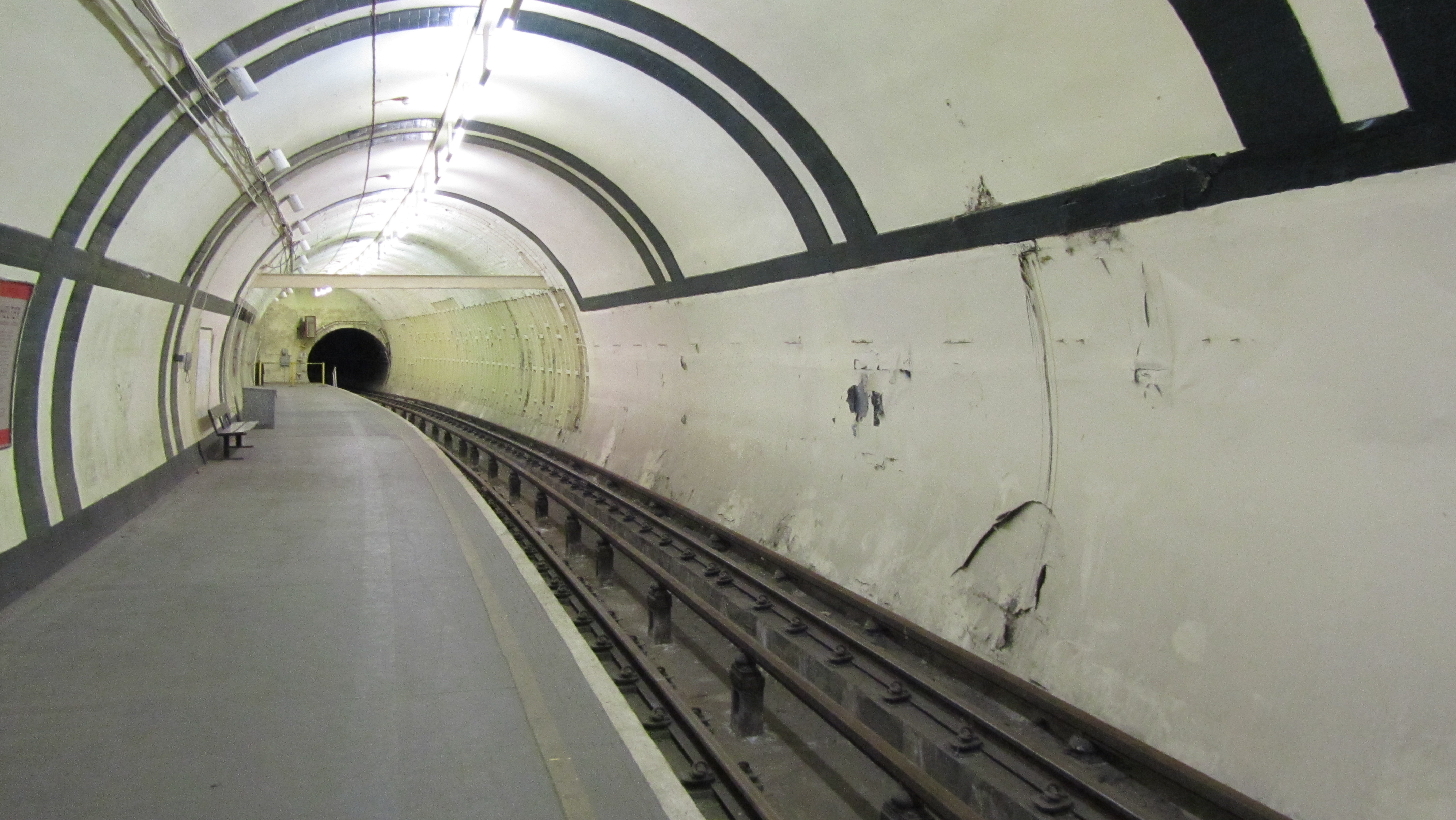
Under a red-tiled shopfront on London's Strand sits a Tube station that has not sold a ticket since 1994, yet still has working track and a film career most actors would envy. Aldwych opened 119 years ago this Monday, on November 30, 1907, and it has spent most of its life as the Underground's favourite ghost.
It was never meant to be a dead end. The station began life as Strand, the southern tip of a stubby Piccadilly line branch from Holborn, and its builders dug three lift shafts on the bet that the line would one day push on under the Thames to Waterloo. Only one shaft ever got lifts. According to the station's Wikipedia history, the other two were left as empty cylinders, and a second passage to the platforms was never even tiled.
Too quiet to survive
Passengers simply never came in numbers. A late-night theatre train for West End audiences lasted less than a year. The second platform was abandoned in 1914, the station was renamed Aldwych in 1915, Sunday trains stopped in 1917, and by 1962 the shuttle ran only in weekday rush hours.
The end came down to money. The original 1907 lifts needed replacing at a cost of £3 million, while the branch was losing London Regional Transport about £150,000 a year. Closure was announced in January 1993 and the last train ran on September 30, 1994.
The secret wartime vault
Here is where Aldwych gets its legend. During a German bombing campaign in September 1917, the disused platform became a hiding place for roughly 300 paintings from the National Gallery, kept there until December 1918.
In the Second World War the branch shut on September 22, 1940, days into the Blitz. Londoners sheltered on the platforms from air raids, and the tunnels to Holborn were used to store treasures from the British Museum, among them the Elgin Marbles, as the Aldwych entry records. The station reopened in 1946 and promptly went back to being nearly empty.
A star with no passengers
Because the branch was sealed off and quiet, film crews loved it, and they still do. The track is kept in working order, and until 2021 an old 1972 Northern line train was parked there so it could be driven up and down for the cameras. The station has stood in for other stops under fake signage and played itself in productions including:
- V for Vendetta (2005) and 28 Weeks Later (2007)
- Atonement (2007) and Darkest Hour (2017)
- Fast & Furious 6 (2013) and the BBC's Sherlock (2014)
- Luther: The Fallen Sun (2023)
The Prodigy shot the video for Firestarter in its disused eastern tunnel and one of the empty lift shafts, and a heavily remodelled version turns up as a level in Tomb Raider III. Ghost hunters got their turn too: the station was the subject of a Most Haunted episode in 2002.
Why it was never reopened
Plans to bring Aldwych back keep surfacing and sinking. Powers to dig the long-promised Waterloo link were granted in 1965, then shelved in 1967 amid spending cuts. A 1996 proposal for a heritage railway with vintage trains was turned down on safety and cost grounds, and a 2005 study floated rebuilding it for the Docklands Light Railway at an estimated £232 million. None went ahead.
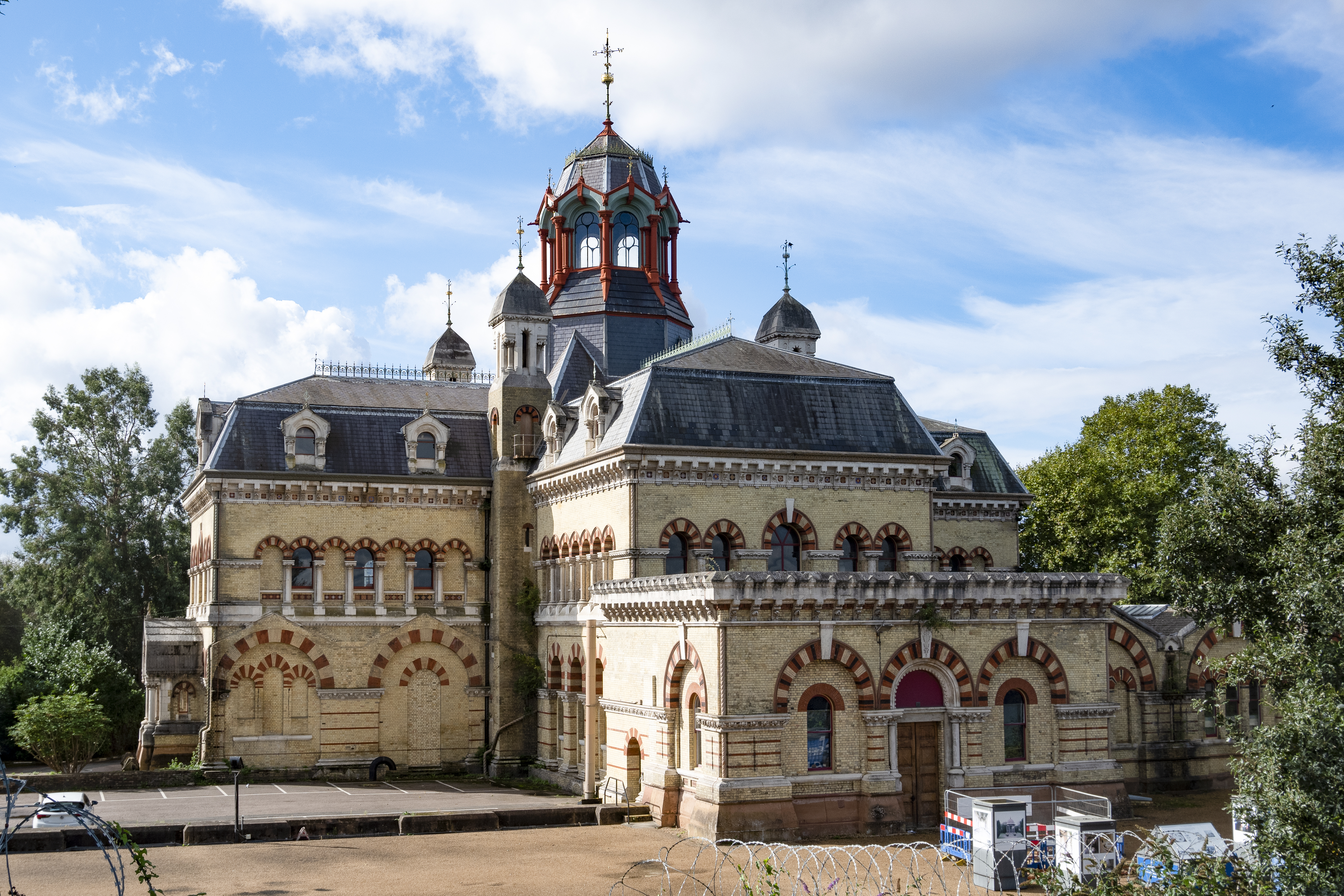
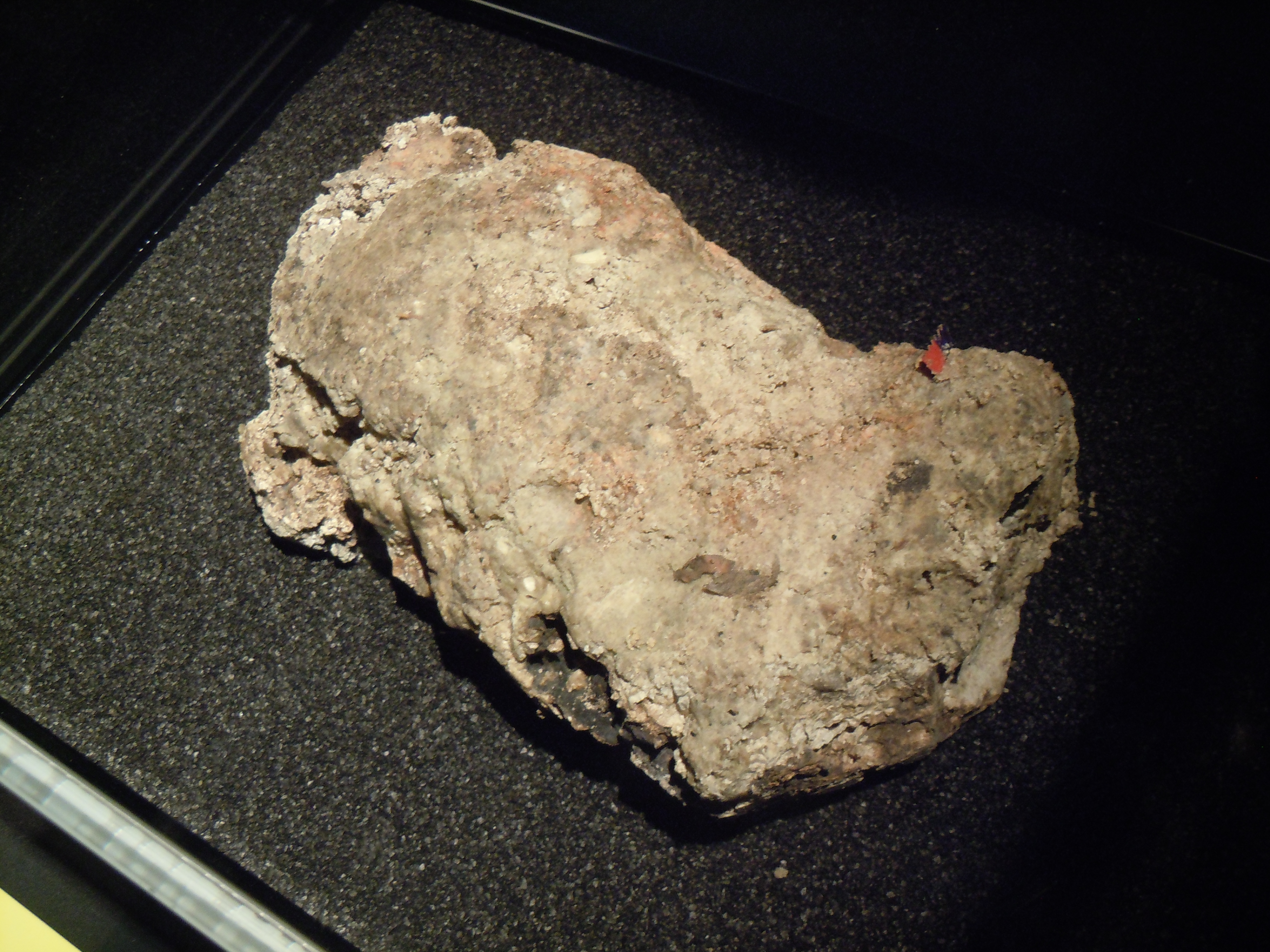
The building, designed by Leslie Green in the Underground's red-terracotta house style, was given Grade II listed status in 2011, so it is protected even if it never sees another commuter. Today the London Transport Museum runs tours through its Hidden London programme, taking visitors through the ticket hall, the original lifts and the abandoned platforms. If old London curiosities are your thing, read our story on London's Great Stink of 1858, our visit to the new London Museum and its chunk of the Whitechapel fatberg, and the row over live music on the Beatles' Savile Row rooftop.
Sources
- Aldwych tube station, Wikipedia, 2026
Image: David Jones from Isle of Wight, United Kingdom, CC BY 2.0 via Wikimedia Commons
This article was produced with AI assistance and reviewed by our Editorial Desk. How we work.