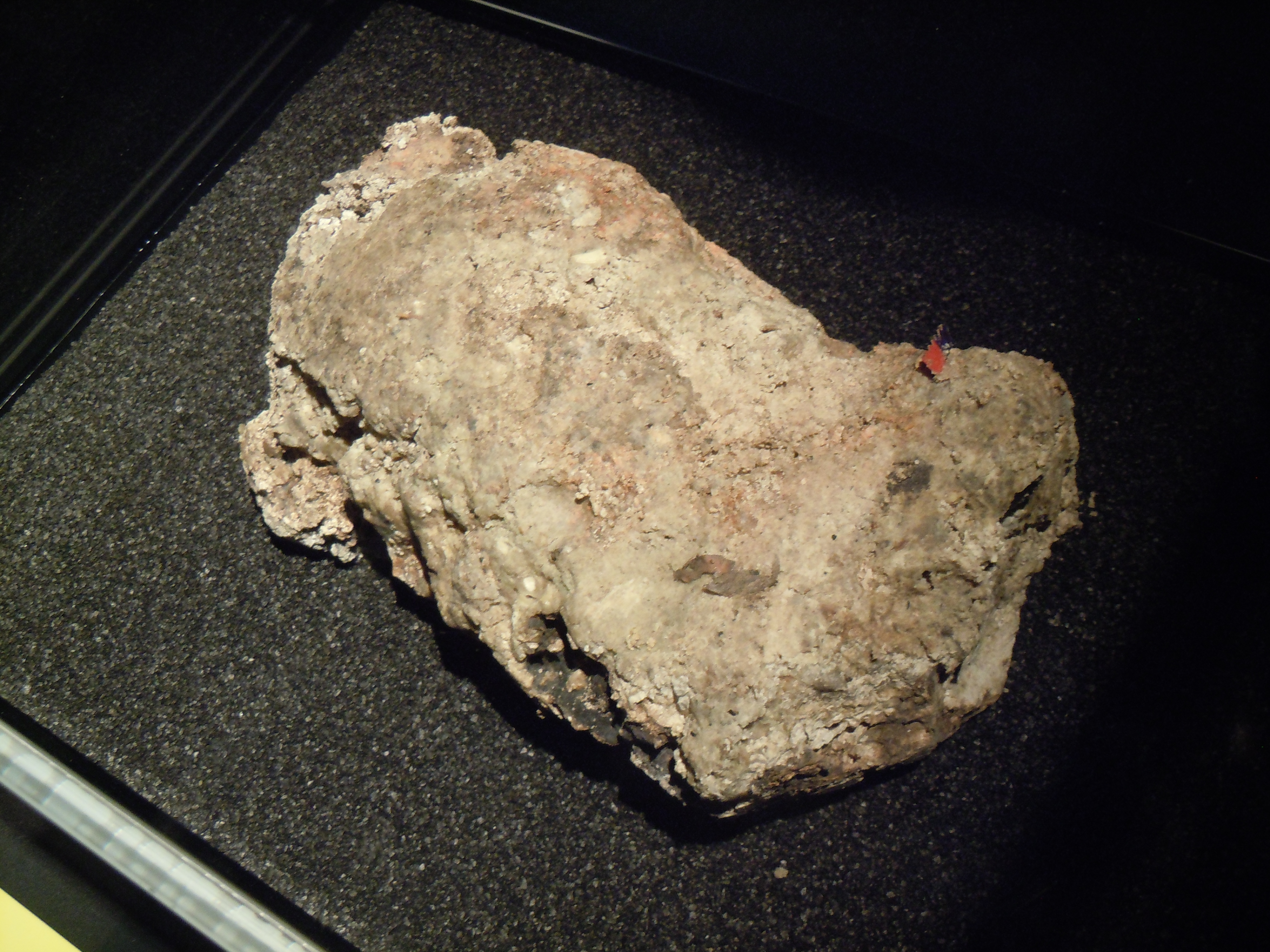
A lump of hardened sewer grease is about to become one of the stars of London's newest museum. When the London Museum opens its new home in Smithfield's old General Market on November 28, a chunk of the infamous Whitechapel fatberg goes on show in the same galleries as the vest King Charles I is believed to have worn to his execution.
The museum calls the mix "grit and glitter". Director Sharon Ament put it this way in the London Museum's opening announcement: "At the beginning we asked ourselves how to be the best museum for London, the answer is, to be London itself, in all its grit and glitter."
The grit: a sewer monster in a glass case
The Whitechapel fatberg was no small blockage. Found under east London in September 2017, it stretched about 250 metres (820 feet) and weighed more than 130 tonnes, according to Wikipedia's fatberg entry. Fatbergs form when flushed wet wipes and other solids glue themselves together with cooking fat, oil and grease, and the fat turns into a hard, soap-like mass through saponification. Some can end up as tough as concrete.
Workers cut two pieces from the Whitechapel mass in October 2017. After weeks of drying, they went on display at what was then the Museum of London from February to June 2018, and curator Vyki Sparkes said the fatberg became one of the most popular exhibits the museum had. Afterwards, a chunk moved into a freezer, where fans could watch it around the clock on a live webcam. Now it is back in public, next to a display on the Great Fire of London.
The glitter: jewels, a smashed bass and Olympic trunks
Elsewhere in the new galleries, the Cheapside Hoard takes the spotlight in the Goldsmiths' Gallery. Found in 1912 on Cheapside, it holds almost 500 pieces of Elizabethan and Jacobean jewellery. The new galleries also bring out Tom Daley's diving trunks from the 2012 Olympics, Queen Victoria's mourning dress, Charles Dickens' chair, Anna Pavlova's Dying Swan costume and the Fender bass that The Clash's Paul Simonon smashed, on loan from the musician.
One gallery comes with a view no other museum offers. Below ground, a six-metre window looks straight onto the Thameslink railway, so visitors watch trains rumble past while passengers peer back in. The museum calls it a world first.
A Victorian meat market, 50 years on
The building is part of the story. Sir Horace Jones, the architect of Tower Bridge, designed the General Market, which opened in 1883 and had been shut to the public for more than 30 years. The restoration uncovered an 800-square-metre network of underground vaults and, as the London Museum's Wikipedia history notes, the remains of a Victorian cafe called the Temperance Cocoa Room and a freshwater spring under the site that tested safe to drink.
None of it came cheap. The project's bill reached £437 million, about $550 million, up from an early estimate of £150 million. The opening also marks the museum's 50th anniversary: it first opened at London Wall in December 1976 and closed that site in December 2022 to move.
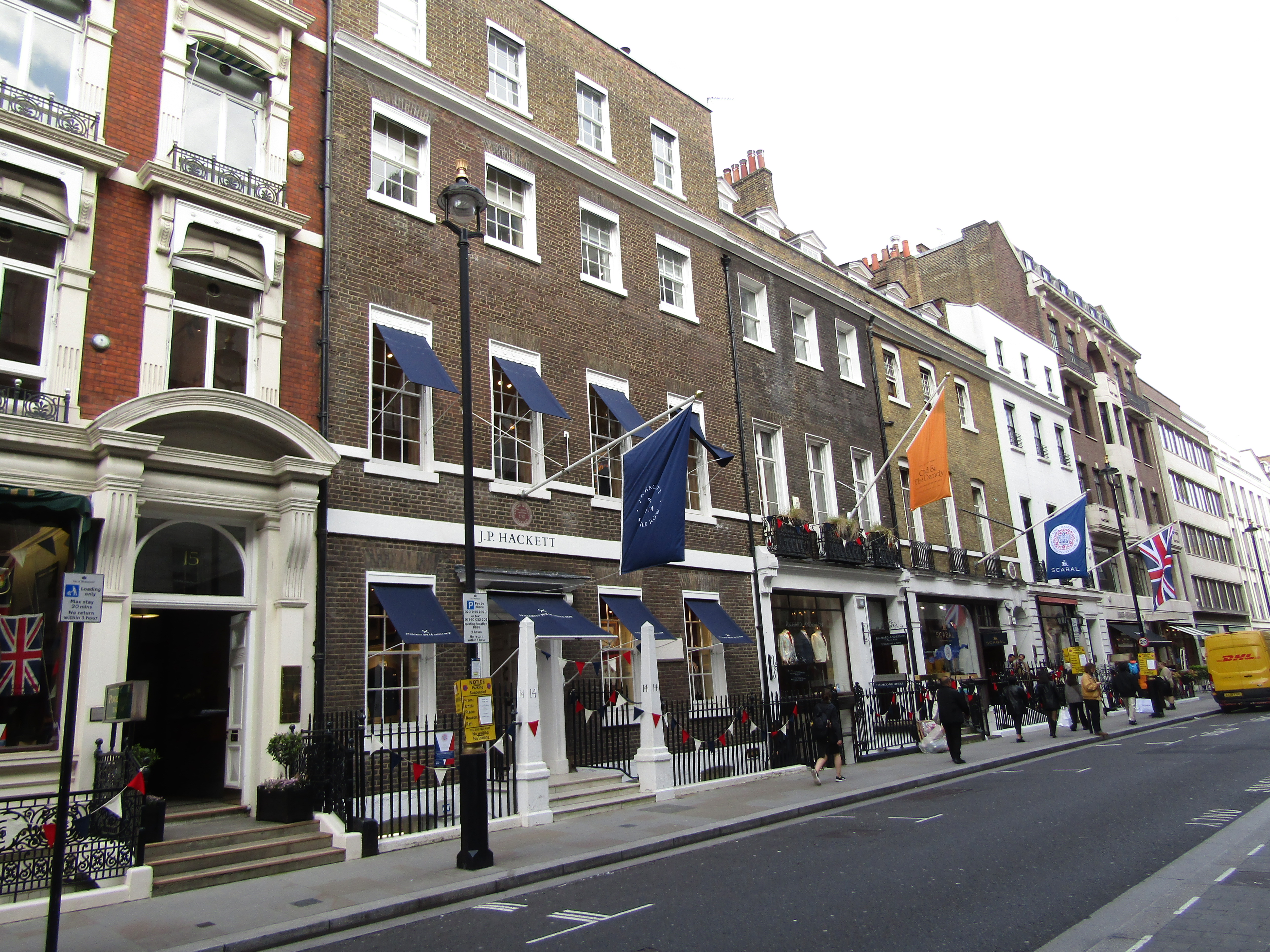
Entry to the new galleries is free. Badiyaa has dug into London's stranger corners before, including the Old Operating Theatre hidden in a church attic for 95 years, the Beatles' 3 Savile Row rooftop, and the British Museum's turquoise-covered skull mask of Tezcatlipoca.
Sources
- London Museum in Smithfield opens 28 November, London Museum, 2026
- London Museum, Wikipedia, 2026
- Fatberg, Wikipedia, 2026
Image: Lord Belbury, CC BY-SA 4.0 via Wikimedia Commons
This article was produced with AI assistance and reviewed by our Editorial Desk. How we work.