In the summer of 1858, the River Thames smelled so foul that Parliament soaked its curtains in chemicals and still could not stand it. Members fled committee rooms with handkerchiefs over their noses, and ministers talked about moving the business of government to Oxford or St Albans. Londoners called it the Great Stink.
The cause was simple and disgusting. London's old sewers emptied straight into the Thames, and a heat wave baked the waste on the riverbanks. According to Wikipedia's history of the Great Stink, shade temperatures in June 1858 averaged 34 to 36C (93 to 97F) and hit 48C (118F) in direct sunlight, while a long dry spell dropped the river and left raw sewage sitting on the shore.
A city built on 200,000 cesspits
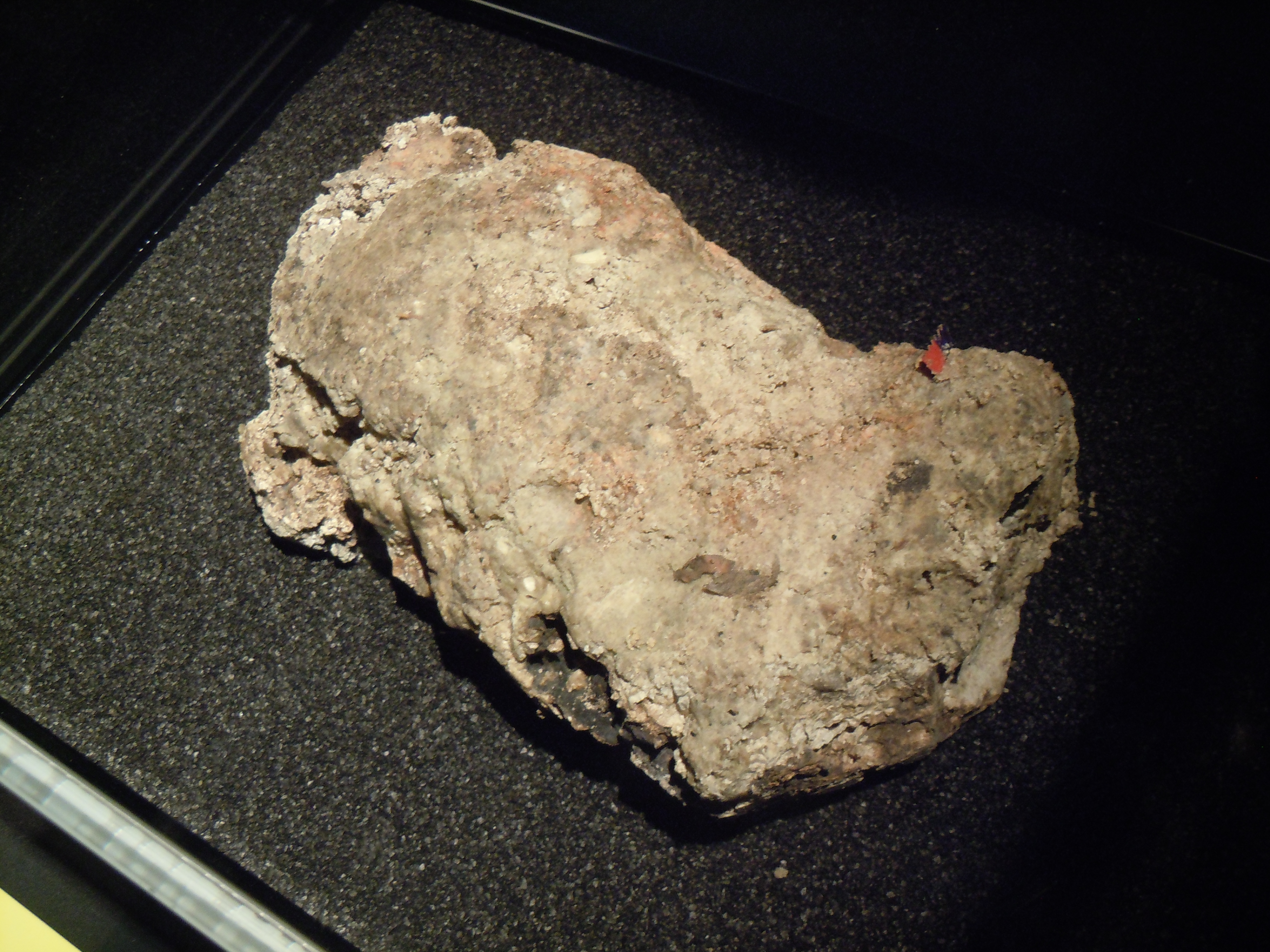
The crisis had been brewing for decades. By 1856 London had around 200,000 cesspits and 360 sewers, and some cesspits leaked gas that caught fire and exploded. Flushing toilets and a population that had tripled to about three million poured ever more water and waste into a system that dumped it in the river. Factories and slaughterhouses added their own outflow.
The scientist Michael Faraday had already tested the water in 1855 by dropping pieces of white paper into it. His verdict, in a published letter: "the whole river was for the time a real sewer." Charles Dickens wrote to a friend that even a short whiff was "of a most head-and-stomach-distending nature." Queen Victoria and Prince Albert tried a pleasure cruise and turned back within minutes.
Parliament holds its nose
By June the stench had reached Westminster, right on the riverbank. Curtains on the river side were soaked in lime chloride, which did not work. MP John Brady complained that members could not use the Committee Rooms or the Library. Benjamin Disraeli, then Leader of the House of Commons, was reported leaving a committee room "with his pocket handkerchief applied to his nose."
Lime went in by the ton: at the height of the stink, 200 to 250 tons were being used near the sewer mouths, and men spread more on the foreshore at low tide, at a cost of £1,500 a week. Then Disraeli moved. On June 15 he brought in a bill, calling the Thames "a Stygian pool, reeking with ineffable and intolerable horrors." It became law on August 2, 48 days after it was introduced, and let the Metropolitan Board of Works borrow £3 million to fix the problem.
Bazalgette's underground fix
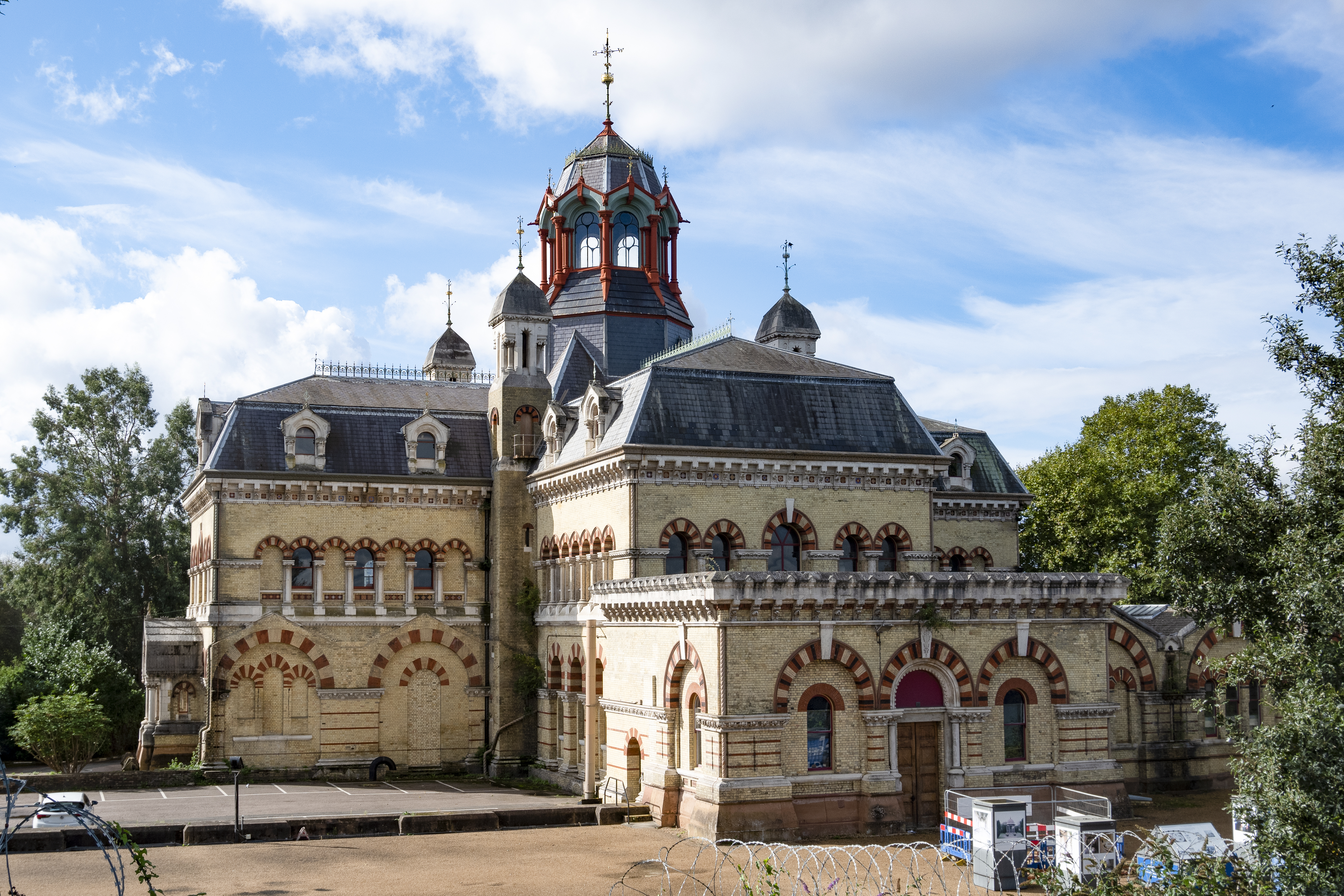
The man with the plan was engineer Joseph Bazalgette, who, as his Wikipedia biography notes, checked sewer connections himself and scrawled notes such as "Approved JWB" on thousands of linen plans. His network fed 1,100 miles of street sewers into 82 miles of main sewers that sloped east, carrying waste away from central London to outfalls downstream. Pumping stations such as Abbey Mills in Stratford, an ornate building the architectural historian Nikolaus Pevsner described as "exciting architecture applied to the most foul purposes", lifted sewage from low-lying areas.
The job took until 1875, the year Queen Victoria knighted Bazalgette, and used 318 million bricks. It also gave London the Victoria, Chelsea and Albert Embankments, built partly to house the sewers, and reclaimed more than 52 acres from the river. The final bill was about £6.5 million.
It worked. Cholera had killed tens of thousands of Londoners in three outbreaks before 1858, and the city's last outbreak, in 1866, struck mainly a part of the East End not yet connected to the new system. Much of Bazalgette's network still runs under London today.
Chicago faced its own sewage problem and solved it by reversing the Chicago River in 1900. For more Victorian strangeness, read about the 1851 leech barometer that used 12 leeches to ring a storm bell and London's Old Operating Theatre, hidden in a church attic.
Sources
- Great Stink, Wikipedia, 2026
- Joseph Bazalgette, Wikipedia, 2026
Image: Simon from London, United Kingdom, CC BY 2.0 via Wikimedia Commons
This article was produced with AI assistance and reviewed by our Editorial Desk. How we work.