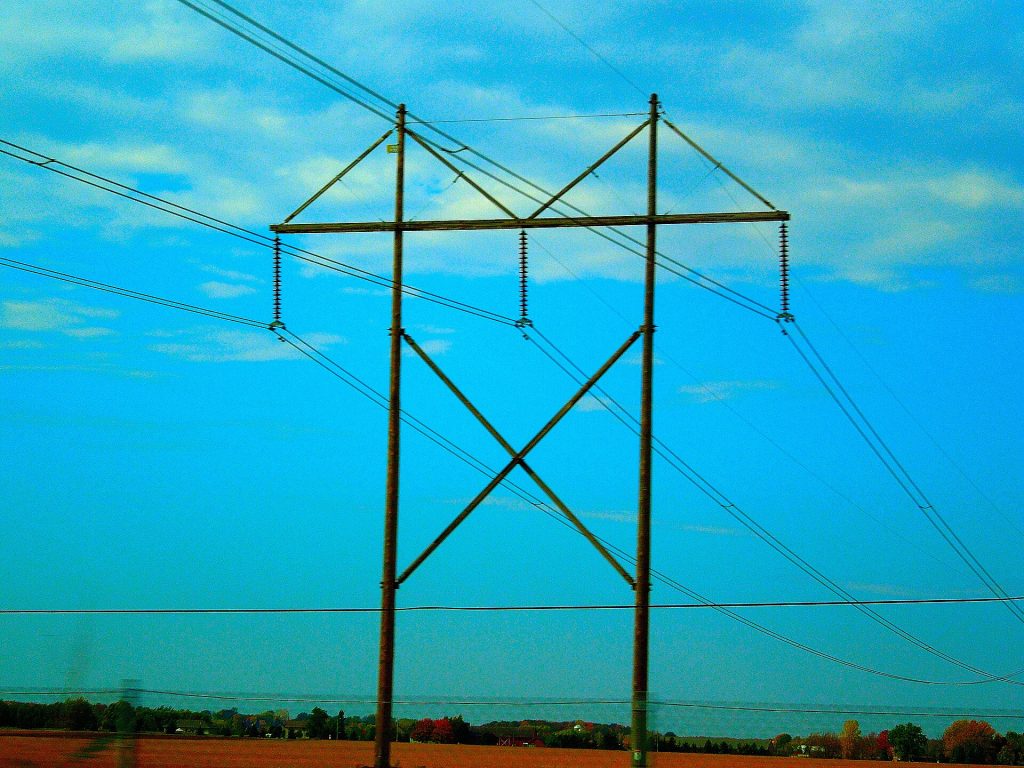
The artificial intelligence boom runs on electricity, and electricity runs on wires that have to cross somebody’s land. In Saukville, Wisconsin, one landowner has just won a round in that collision.
Tom Uttech, a painter known for his large, densely detailed paintings of northern forests and birds, owns 52 acres in Saukville that sat on a proposed route for new high-voltage transmission lines. The lines, planned by American Transmission Company, are meant to carry power to a new OpenAI data centre in the area. In September, ATC refiled its application to state regulators with a route that leaves Uttech’s property out.
How it got here
Uttech and his wife did not want to sell, and under Wisconsin law a utility can ask to use eminent domain, compulsory purchase, for projects that serve the public. His lawyers at the Wisconsin Institute for Law and Liberty argued that a line built mainly to serve a private company’s data centre fails the constitutional test of “public use”.
The state Public Service Commission had already sent the original application back as incomplete, part of a wider order telling the roughly $1.4 billion project to start over. The revised filing now avoids the Uttech land.
“I am honestly relieved about this development,” Uttech said. His lawyer, Lucas Vebber, framed the fight carefully: “We are not fighting a war against AI, but we will not allow companies to seek eminent domain for private gain.”
The bigger question
The Uttech case is one property, but the argument behind it is spreading. Data centres need enormous, reliable power, often more than local grids were built to deliver, and utilities are racing to build new lines and substations. Traditionally, transmission lines have been treated as public infrastructure because they serve everyone. When a line exists mainly to feed one customer, landowners and some lawmakers are asking whether the same rules should apply.
There is a counter-argument. Utilities say grid upgrades built for large customers can strengthen the network for everyone, and data centres bring construction jobs and tax revenue. Regulators have to weigh both.
For other residents along the proposed corridors, nothing is settled. Many have organised against the routes, and the refiled application will go back through the commission’s review, including public comment. Uttech’s land is out of the path for now. The question of who should bear the cost of powering AI is not going away.
Further reading
Image: Corey Coyle, CC BY 3.0 via Wikimedia Commons
This article was produced with AI assistance and reviewed by our Editorial Desk. How we work.