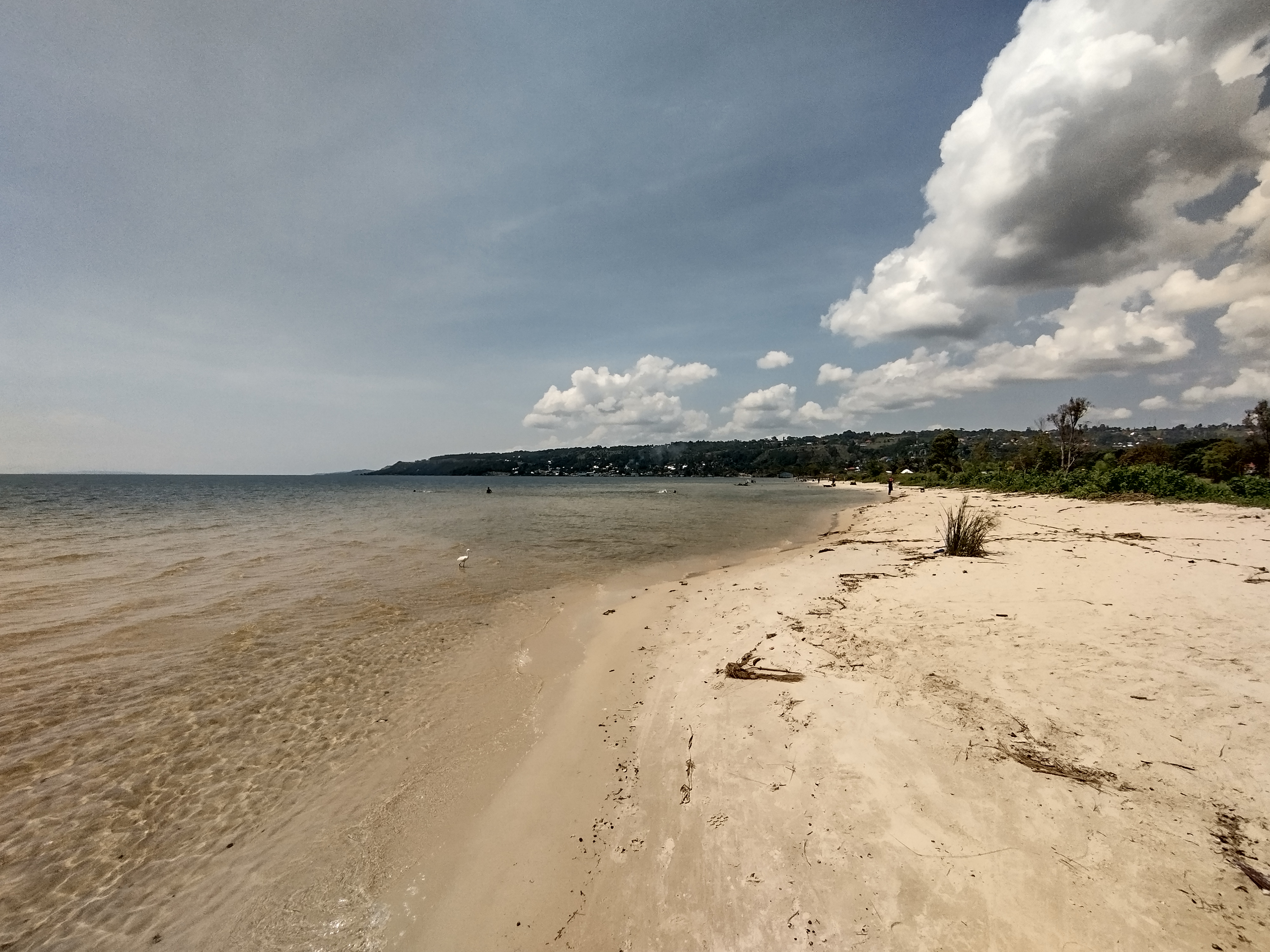
It started with three girls laughing and ended with 14 schools shut. The Tanganyika laughter epidemic broke out on January 30, 1962, at a mission-run girls' boarding school in Kashasha, on the western shore of Lake Victoria, and over 18 months it touched about 1,000 people.
Nobody was poisoned and no germ was found. The episode is now one of the best-known cases of what doctors call mass psychogenic illness, symptoms that spread through a close group with no infectious cause.
How it spread
According to Wikipedia's account of the epidemic, the laughing spread through the Kashasha school until it had affected 95 of its 159 pupils, who were aged 12 to 18. Attacks lasted from a few hours to 16 days, about a week on average. The teachers were never affected, but they reported that the students could not concentrate on lessons.
The school closed on March 18, 1962. When it reopened on May 21, another 57 pupils were affected, and it closed again at the end of June.
By then the outbreak had traveled with the girls. Several lived in Nshamba, a village 55 miles west of Bukoba, where 217 mostly young villagers had laughing attacks over 34 days in April and May. In June it reached Ramashenye girls' middle school, where 48 girls were affected. Every affected area lay within 100 miles of Bukoba.
Not just laughing
The name undersells it. Alongside the laughter came crying, restlessness, pain, fainting, breathing problems and rashes. The Kashasha school was even sued for allowing the outbreak to spread to the surrounding area.
Doctors wrote it up quickly. The PubMed record for the first medical report shows A. M. Rankin and P. J. Philip published "An epidemic of laughing in the Bukoba district of Tanganyika" in The Central African Journal of Medicine in May 1963, while the outbreak was still fresh.
What caused it
Most explanations point to stress. Tanganyika had just won independence, and one theory holds that students felt the weight of rising expectations from teachers and parents. Sociologist Robert Bartholomew and psychiatrist Simon Wessely have argued for a cultural explanation: outbreaks of this kind in 1960s Africa clustered in missionary schools, where the conservative traditions taught at home collided with new ideas taught in class.
It was not a one-off. The laughter was the first of three linked outbreaks around Lake Victoria, followed by "running mania" in Kigezi, Uganda, in July 1963 and in Mbale, Uganda, that November.
A pattern seen worldwide
Wikipedia's overview of mass psychogenic illness lists similar outbreaks from medieval dancing manias to a 1965 episode at a girls' school in Blackburn, England, where 85 pupils were taken to hospital after fainting. Bartholomew and Wessely concluded there is no particular type of person prone to it; in the right circumstances, anyone can react this way.
The overview also notes that heavy media coverage tends to make outbreaks worse, a lesson Japan learned the hard way decades later. For that story, read how a single 1997 Pokémon episode sent 685 viewers to hospitals, and why the 1938 War of the Worlds panic was smaller than legend says.
Sources
- Tanganyika laughter epidemic, Wikipedia, 2026
- Mass psychogenic illness, Wikipedia, 2026
- "An epidemic of laughing in the Bukoba district of Tanganyika" (Rankin and Philip), The Central African Journal of Medicine, record at PubMed (US National Library of Medicine), 1963
Image: Bugsinmyfood, CC BY-SA 4.0 via Wikimedia Commons
This article was produced with AI assistance and reviewed by our Editorial Desk. How we work.