The dress was blue and black all along. Yet when a mother's phone snap of it hit the internet in February 2015, so many people saw white and gold that it racked up 4.4 million tweets in a single day, and scientists are still citing it.
It remains one of the web's purest viral arguments: no politics, no villain, just one washed-out photo and two camps who were each completely sure.
A wedding on a tiny Scottish island
The story starts with a family wedding. About a week before Grace and Keir Johnston married on Colonsay, a small island in Scotland's Inner Hebrides, the bride's mother, Cecilia Bleasdale, photographed a dress she planned to wear, at an outlet north of Chester in England. She sent it to her daughter, who saw white and gold, according to Wikipedia's history of the dress.
The island argued about it for a week. At the wedding itself, singer Caitlin McNeill and her band were so busy debating the photo that they nearly missed their stage call, even though the real dress was plainly blue and black in front of them. On February 26, McNeill posted the picture to her Tumblr blog, and the rest of the planet joined in.
How fast it went
At its peak, the Tumblr page drew about 14,000 views a second. Taylor Swift said she saw blue and black and was "confused and scared." Kim Kardashian saw white and gold; her then-husband Kanye West saw blue and black. Lady Gaga split the difference with "periwinkle and sand."
The maker, the British retailer Roman Originals, confirmed it was a royal blue lace bodycon dress. It sold out within 30 minutes of the frenzy hitting its website, and the company made a single white and gold version for a Comic Relief charity auction.
What the scientists found
Neuroscientists at Wellesley College and MIT ran the first large study within three months. In their 2015 paper in Current Biology, Rosa Lafer-Sousa, Katherine Hermann and Bevil Conway surveyed 1,401 people with an open question rather than a two-way choice. Most still landed on white and gold or blue and black, but a third group saw blue and brown. Older people and women were more likely to report white and gold.
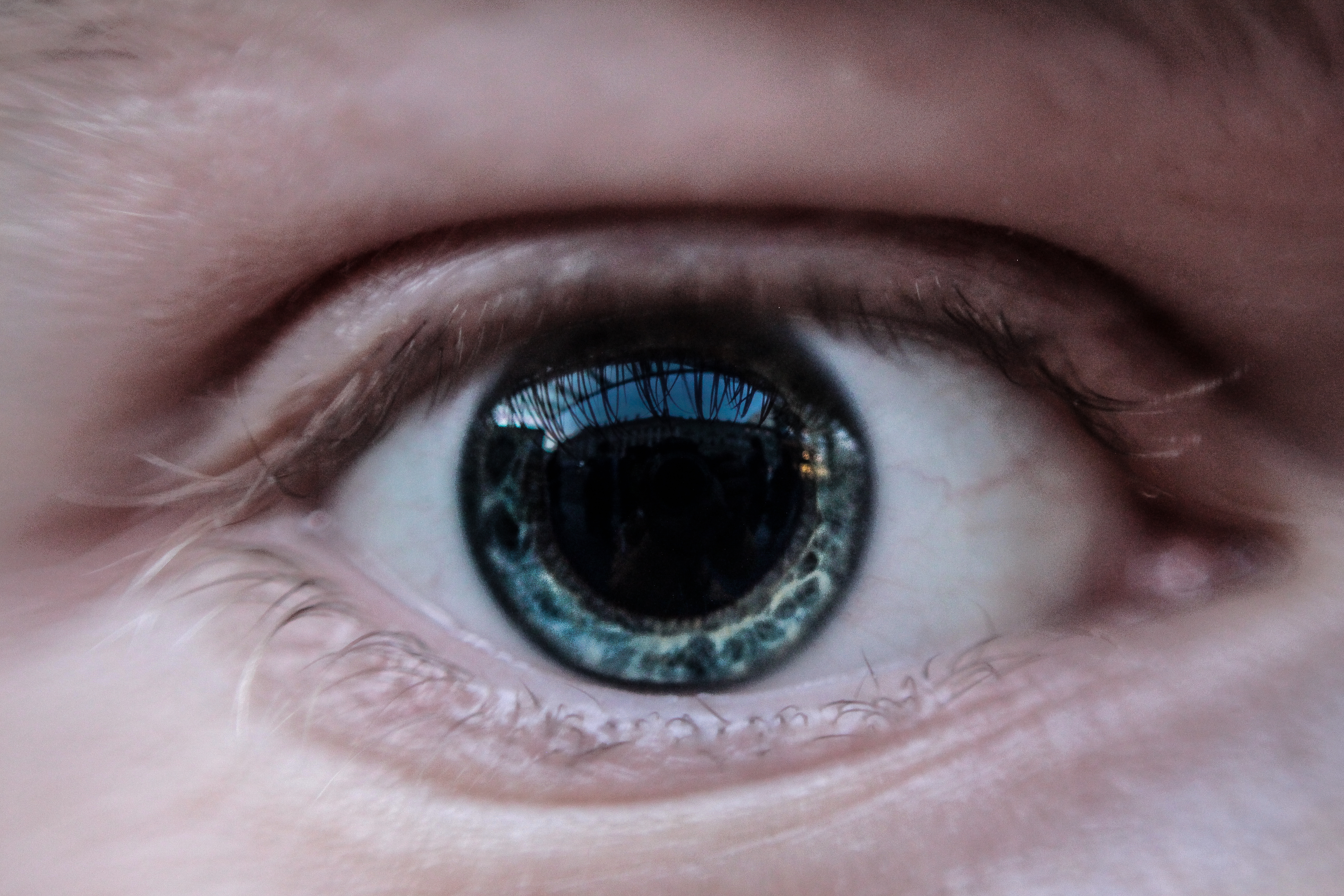
The team's explanation is about light. The photo gives the brain no clear clue to what is lighting the dress, so it guesses. People who assume a cool, bluish daylight subtract the blue and see white and gold; people who assume warm indoor bulbs subtract the yellow and see blue and black. When the researchers added obvious lighting cues to the image, they could flip what people saw.
The Wikipedia summary puts the shares at 57% blue and black, 30% white and gold and 11% blue and brown. It also records a separate Journal of Vision study by Pascal Wallisch suggesting that early risers, used to daylight, leaned white and gold, while night owls leaned blue and black.
Why it still matters
Vision scientists had known ambiguous images for decades, but the dress was the first famous one about color, and it reached them through social media. Most people never flip, either. That makes it a neat lesson in how two honest people can look at the same thing and disagree.
For more internet oddities, see how the "define cinema with a photo" trend took over Bluesky, where the dating word "the ick" really came from, and why one gene decides whether your earwax is wet or dry.
Sources
- "Striking individual differences in color perception uncovered by 'the dress' photograph", Current Biology (Wellesley College, MIT), 2015
- The dress, Wikipedia, 2026
Image: Kamil Saitov, CC BY 4.0 via Wikimedia Commons
This article was produced with AI assistance and reviewed by our Editorial Desk. How we work.