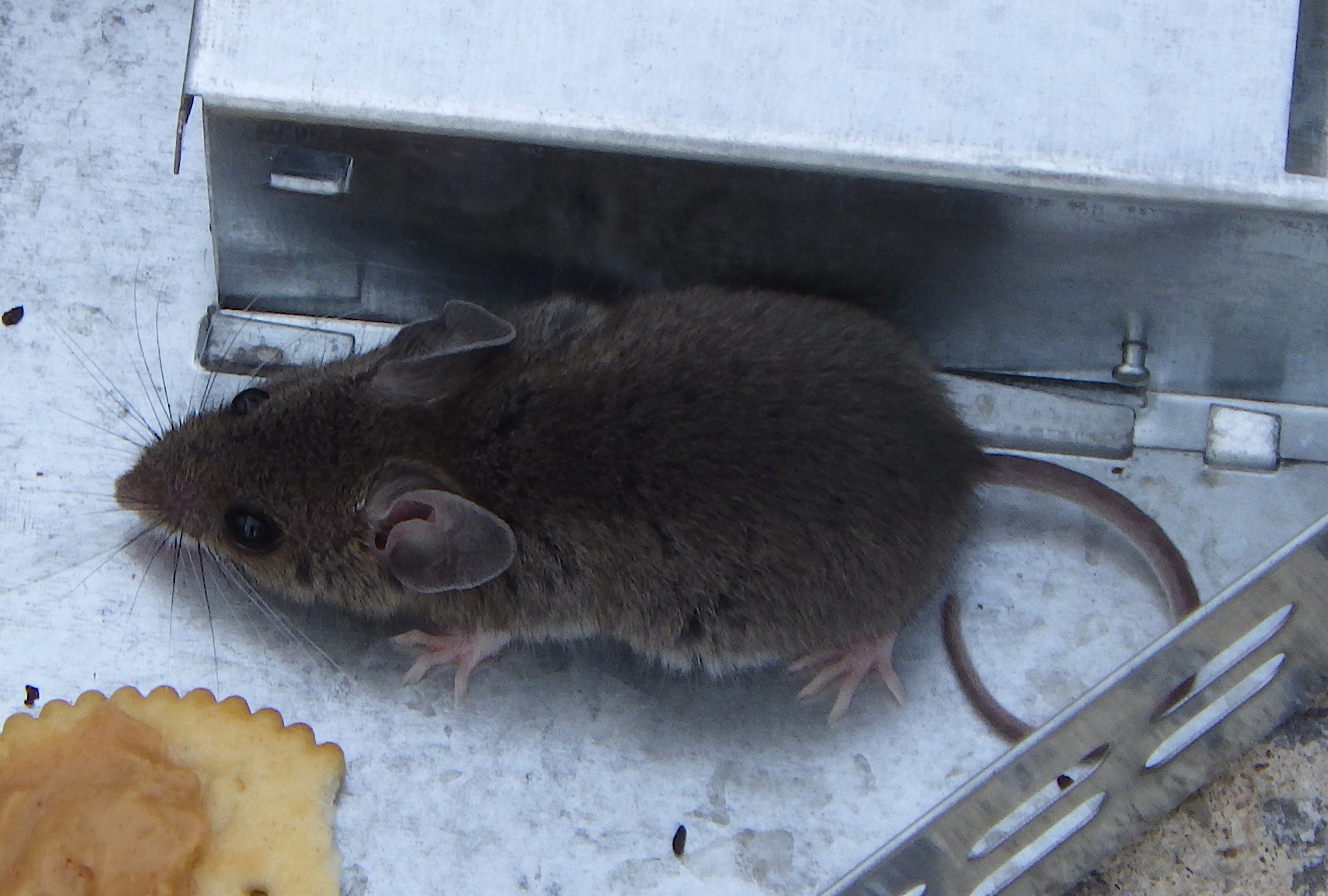
Old mice got their sharp minds back from a few drops up the nose. Aged animals given an experimental mRNA nasal treatment performed like young mice on tests of working memory, spatial memory and object recognition, University of Sydney researchers report in a paper published November 18 in Advanced Science.
"In aged mice, we saw learning and memory significantly increased, returning animal cognition to its youthful prime," said Professor Greg Neely, whose lab at the Charles Perkins Centre ran the work, in the university's announcement.
How the drops work
The drops carry messenger RNA wrapped in lipid nanoparticles, the same delivery package used in COVID-19 vaccines. The team built its mRNA on the BioNTech vaccine backbone, but instead of training the immune system, it tells cells lining the nose to make brain-derived neurotrophic factor, or BDNF, a protein that helps neurons survive, rewire and form memories.
That detour through the nose matters. Most protein drugs cannot cross the blood-brain barrier, the tight filter that guards the brain. The paper's abstract says the treatment drives BDNF production in the nasal lining and delivery of the protein to the brain, using the routes that connect the nasal cavity to the central nervous system. The researchers also saw more new neurons forming in the hippocampus, a hub for learning.
The idea came from fiction. The university says the project was inspired by Daniel Keyes' short story Flowers for Algernon, in which scientists boost the intelligence of a lab mouse.
The Alzheimer's model
The team also tested 5XFAD mice, an engineered strain that develops Alzheimer's-like brain changes from about two months of age and memory decline by about four months. Animals dosed twice a week from two months showed no further cognitive decline at four months, the University of Sydney reports.
The twist: the amyloid plaques were still there. The drops seemed to protect brain function without clearing the protein clumps that most current Alzheimer's drugs target. Neely noted that just under a third of Alzheimer's patients have serious plaques but no dementia, and that those patients show naturally higher BDNF.
Reduced BDNF is linked with both ageing and Alzheimer's disease, according to the release. The protein was first isolated from a pig brain in 1982 and is most active in the hippocampus, cortex and basal forebrain, according to Wikipedia's BDNF entry.
Why it matters
If the approach carries over, the nose could act as a drug factory for the brain without needles or surgery, a route the team says could also suit stroke, brain injury and rare genetic diseases. First author Dr Maria Bergamasco framed it as mRNA moving past vaccines: "The success of mRNA vaccines showed these systems can safely deliver genetic instructions to cells," she said.
Limits
Everything so far is in mice. "Human noses are different from mouse noses," Neely cautioned, and the group says it must run animal safety studies before any trial in people, which it hopes to begin within two years. Neely and Bergamasco are inventors on a provisional patent related to the work, the university discloses. Nothing here is a treatment anyone can use.
Badiyaa has covered other lab work on the brain, including a University of Iowa fMRI study of brain variability, and mouse research on a hidden source of the placenta.
Next up for the Sydney lab: the safety studies that decide whether the drops ever leave the mouse cage.
Sources
- "Bdnf mRNA-LNP Drives Nasal Epithelial BDNF Production and Improves Cognition in Aged and Alzheimer's Disease Mouse Models (Bergamasco et al.)", Advanced Science, 2026
- "Experimental nose drops tested in mice could prevent Alzheimer's", University of Sydney, 2026
- "Brain-derived neurotrophic factor", Wikipedia, 2026
Image: Ahunt, CC0 via Wikimedia Commons
This article was produced with AI assistance and reviewed by our Editorial Desk. How we work.