Maxwell would not put his own face on the front of his first album. Columbia Records got a pair of gold women's shoes lying on a hotel room floor instead, with the bar code in plain view, and the singer's photo was pushed to the back. Then the label sat on the finished record for close to a year.
What finally lit the fuse was the second single. "Ascension (Don't Ever Wonder)" arrived in July 1996 and turned a slow-selling debut into a million-seller and Maxwell into an R&B sex symbol.
The album Columbia was afraid of
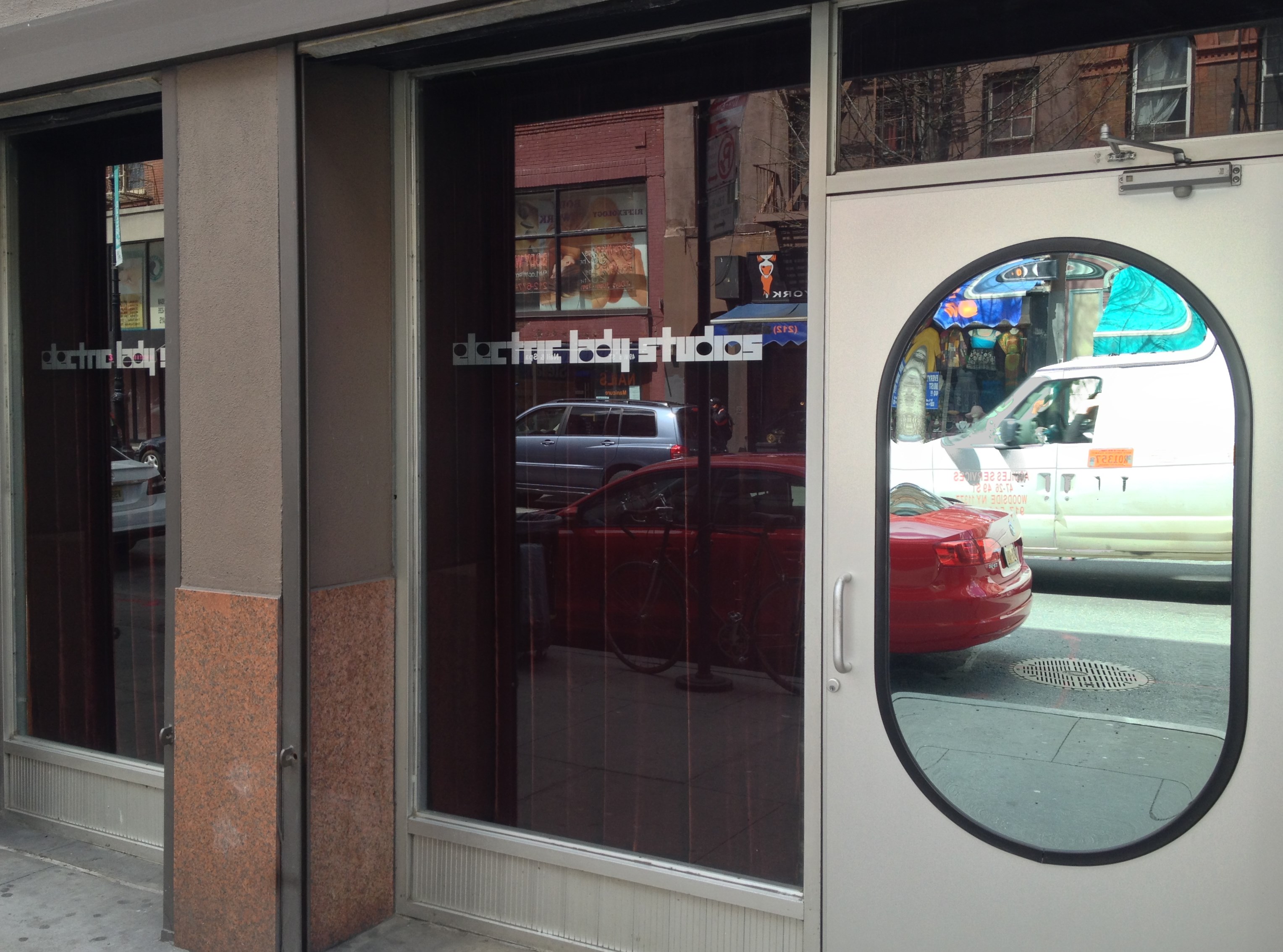
Maxwell's Urban Hang Suite was recorded in 1994 and 1995, mostly in New York at studios including Electric Lady, and handed to the label in mid-1995. According to the album's Wikipedia history, it stayed on the shelf for nearly a year while Columbia reorganized and executives doubted it could sell. Hip hop soul ruled radio in 1995, and a concept record about one grown-up love affair, from first meeting to marriage proposal, looked old-fashioned to them.
The singer explained the cover fight himself: "I wanted people to come to the music and not base any opinion on the image." He had also taken his middle name, Maxwell, as his stage name to protect his family's privacy.
He leaned on veterans of the Marvin Gaye era to get the sound. Songwriter Leon Ware, who had produced most of Gaye's 1976 album I Want You, and guitarist Wah Wah Watson both worked on the sessions. The mood is slow, warm and unhurried, built on falsetto, wah-wah guitar and deep bass.
How Ascension broke it open
Maxwell wrote "Ascension" with Itaal Shur and produced it himself under the name Musze. Columbia released it on July 30, 1996. The single's chart record on Wikipedia shows it entering the US R&B chart at No. 11 in August, climbing to No. 8 and staying 29 weeks, while it peaked at No. 36 on the Hot 100 on September 28. In Britain it reached No. 28, and No. 6 on the R&B chart.
The album turned around fast once the song took off. It had debuted at only No. 38 on the R&B albums chart on April 20. It went gold on September 17, platinum by 1997 and double platinum in 2002, spending 78 weeks on the main US albums chart.
The numbers behind the slow burn
Badiyaa's count of the calendar shows how quickly the single changed things: gold came 168 days after the album's April 2 release, but only 49 days after "Ascension" went out. By 2008 the record had sold 1,790,000 copies in the US, making it Maxwell's biggest album.
The song itself is a strange, lovely hybrid. Under the funk groove it carries gospel overtones and lyrics that reach toward God, which is why gospel singers including LaShun Pace have covered it. One cheeky truth of 1996 radio: a love song with a hymn hiding inside it became a seduction soundtrack.
Where it left Maxwell
"Ascension" won Best R&B/Soul Single, Male at the 1997 Soul Train Music Awards, one of three wins for the album that night, according to Maxwell's Wikipedia biography. He was 23 when the single came out. Critics grouped him with D'Angelo and Erykah Badu as the faces of neo soul; Badiyaa has told the story of how D'Angelo's one-take Untitled video made him a reluctant sex symbol, and the Gaye link runs straight back to how Let's Get It On turned from a religious song into a romance. Producer Stuart Matthewman, who worked on the album's early tracks, also played with Sade, whose No Ordinary Love found a second life through Indecent Proposal.
The "Ascension" video, directed by Liz Friedlander, was later remastered in 4K on Maxwell's official YouTube channel and had passed 132 million views by late 2025.
Sources
- Ascension (Don't Ever Wonder), Wikipedia, 2026
- Maxwell's Urban Hang Suite, Wikipedia, 2026
- Maxwell (musician), Wikipedia, 2026
Image: Jhsounds, CC BY-SA 3.0 via Wikimedia Commons
This article was produced with AI assistance and reviewed by our Editorial Desk. How we work.