The most famous seduction song in soul did not start out as one. Let's Get It On began with a religious theme, was rewritten as a political song, and only became a love song after co-writer Ed Townsend objected, the song's Wikipedia entry explains. Townsend argued it was meant to be about love and sex, not politics, so he and Marvin Gaye wrote new lyrics over the backing tracks they had already recorded.
From hymn to come-on
Motown songwriter Kenneth Stover had reworked the first version into a political number, and Gaye cut that demo as written. When Townsend heard it, he pushed back. The finished single was recorded on March 22, 1973, at Hitsville West in Los Angeles and released by Tamla on June 15. It opens on three wah-wah guitar notes played by session guitarist Don Peake, then settles into a 1950s-style melody with Gaye stacking his own background vocals around the lead.
The original 5:12 demo with Stover's lyrics finally surfaced in 2001 on a deluxe reissue.
No. 1, then No. 1 again
Let's Get It On reached No. 1 on the Hot 100 on September 8, 1973, replacing Brother Louie by Stories. It lost the top spot to Helen Reddy's Delta Dawn, took it back, and was finally pushed out by Grand Funk Railroad's We're an American Band. It spent six weeks at No. 1 on the soul chart and 13 weeks in the pop top 10.
At the time it was Motown's biggest-selling recording ever, moving more than four million copies across 1973 and 1974. A 2005 remix even put Gaye back on the R&B charts more than 30 years later and went gold.
The album that made Gaye a sex symbol
The title track led an album, released on August 28, 1973, that the album's Wikipedia entry credits with helping establish Gaye as a sex icon and helping pioneer the slow jam and quiet storm radio formats. It peaked at No. 2 on the US album chart, topped the soul albums chart for 11 weeks, and entered the Grammy Hall of Fame in 2004.
Gaye's own liner notes were disarmingly frank: "I can't see anything wrong with sex between consenting anybodies. I think we make far too much of it." His biographer David Ritz saw something deeper in the record: "The sexiest of Marvin Gaye's work is also his most spiritual."
The co-writer behind the hit
Townsend, born in Fayetteville, Tennessee, in 1929, was a Korean War Marine and a 1950s crooner whose ballad For Your Love reached No. 13 in 1958, according to Ed Townsend's Wikipedia page. He co-produced the album with Gaye.
The song's reach later landed in court. Townsend's family sued Ed Sheeran in 2016, arguing that Thinking Out Loud was strikingly similar to Let's Get It On; a jury rejected that claim in May 2023.
Gaye's later bedroom classic has its own story: read how Sexual Healing was built on a Roland 808 in Belgium. For his voice in hip hop, see how a 1968 Marvin Gaye duet became Method Man's Grammy winner.
Sources
- Let's Get It On (song), Wikipedia, 2026
- Let's Get It On (album), Wikipedia, 2026
- Ed Townsend, Wikipedia, 2026
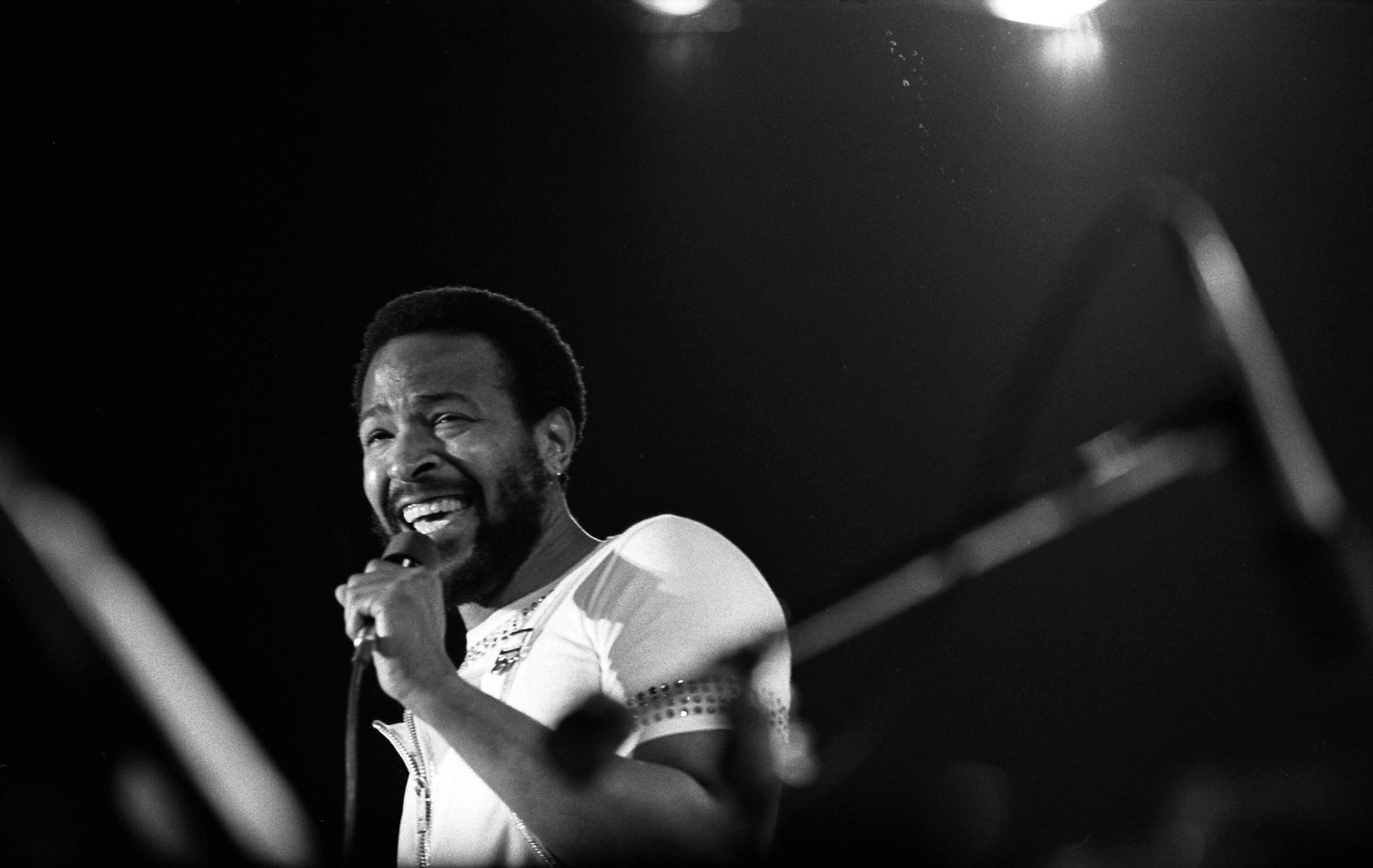
Image: Los Angeles Times, CC BY 4.0 via Wikimedia Commons
This article was produced with AI assistance and reviewed by our Editorial Desk. How we work.