Hip-hop's best-known origin story begins with a $25 room rental and a teenager raising money for school clothes. On August 11, 1973, Cindy Campbell threw a back-to-school party in the recreation room of 1520 Sedgwick Avenue in the Bronx, and her 18-year-old brother Clive, already calling himself Kool Herc, played the records.
Cindy charged 25 cents for women and 50 cents for men, according to the building's Wikipedia history. She recalled: "I wrote out the invites on index cards, so all Herc had to do was show up." The party ran from 9 p.m. to 4 a.m.
What Herc actually did differently
Clive Campbell had moved from Kingston, Jamaica, to the Bronx at 13, in November 1967, bringing memories of Jamaican sound systems and the DJs who talked over them. His big idea was simple and radical. Dancers went wildest during a record's "break," the short stretch where the band drops out and the drums take over. So Herc bought two copies of the same record and switched between turntables to stretch that break as long as he wanted.
He called the trick "the Merry-Go-Round." His Wikipedia biography lists one early run: James Brown's "Give It Up or Turnit a Loose," into the Incredible Bongo Band's "Bongo Rock," into "The Mexican" by the English rock band Babe Ruth.
His shout-outs over the music, such as "To the beat, y'all!", fed into what became rapping, and his friend Coke La Rock rhymed alongside him. Herc also gave the dancers their name: b-boys and b-girls.
A quick guide to the 1520 story
- 1967: the 18-floor, 102-unit building receives its first mortgage, the same year the Campbells arrive in the Bronx.
- August 11, 1973: the back-to-school party.
- 1975: a young Grandmaster Flash starts DJing in Herc's style.
- July 5, 2007: New York State's parks and historic preservation office recognizes the building as the "birthplace of hip hop."
- November 3, 2023: Herc enters the Rock and Roll Hall of Fame with the Musical Influence Award.
Even the building's history comes with a caveat worth knowing: the genre grew in several Bronx spots through the 1970s, so 1520 is best understood as the site of one pivotal night rather than the sole cradle. Herc has no such doubts. At a rally to save the building he said: "1520 Sedgwick is the Bethlehem of hip-hop culture."
The Rock and Roll Hall of Fame's inductee page credits him with creating "the blueprint for hip-hop." Unlike Flash or Afrika Bambaataa, though, Herc never moved into making records during rap's first commercial wave.
The family room led to everything from Run-DMC's Christmas in Hollis to A Tribe Called Quest planning Midnight Marauders in a basement, another New York home that doubled as a studio.
A "Hip-Hop Blvd" street sign has stood outside 1520 Sedgwick Avenue since February 2016.
Sources
- 1520 Sedgwick Avenue, Wikipedia, 2026
- DJ Kool Herc, Wikipedia, 2026
- DJ Kool Herc, inductee page, Rock and Roll Hall of Fame, 2023
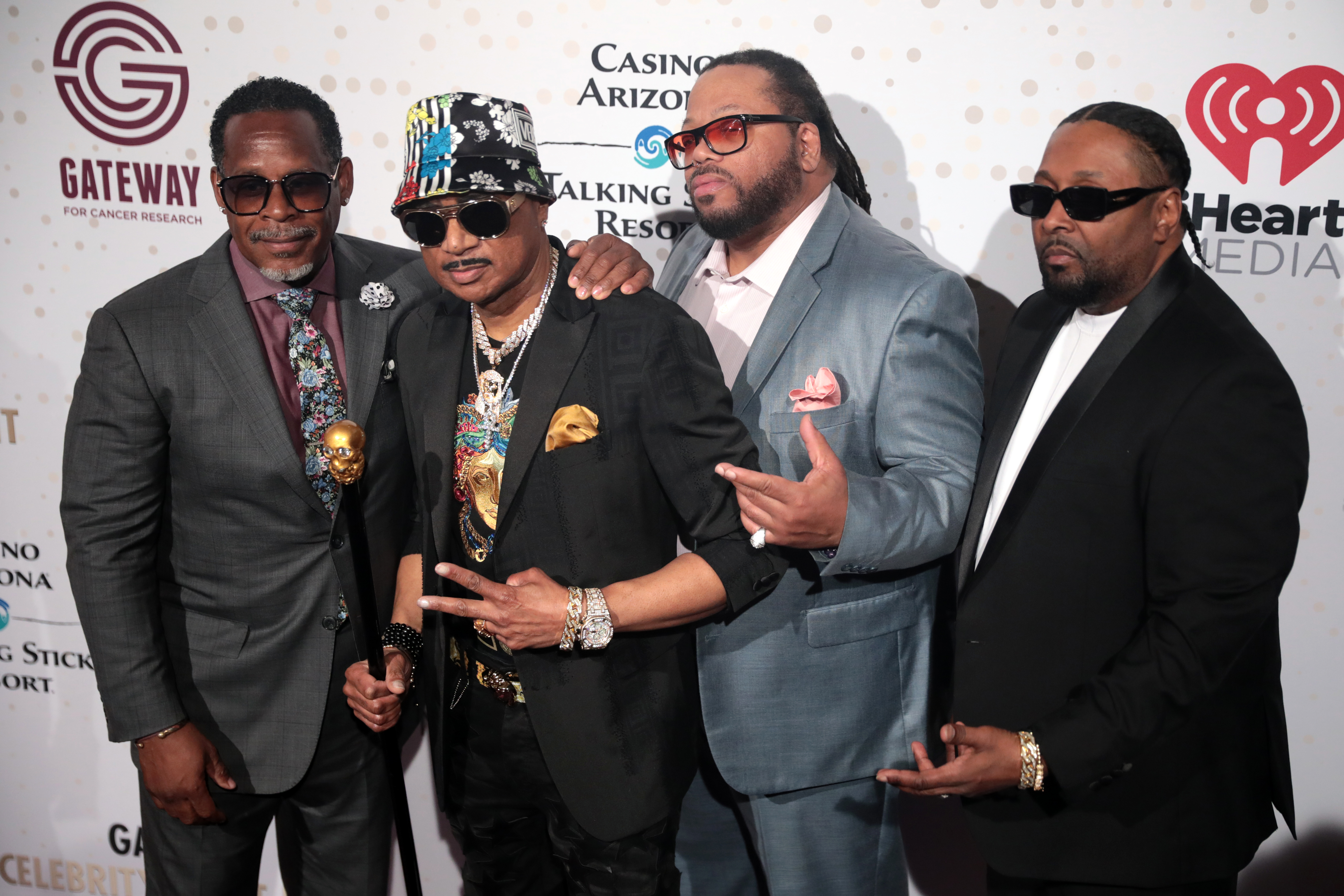
Image: Crottyajohn, CC BY 4.0 via Wikimedia Commons
This article was produced with AI assistance and reviewed by our Editorial Desk. How we work.