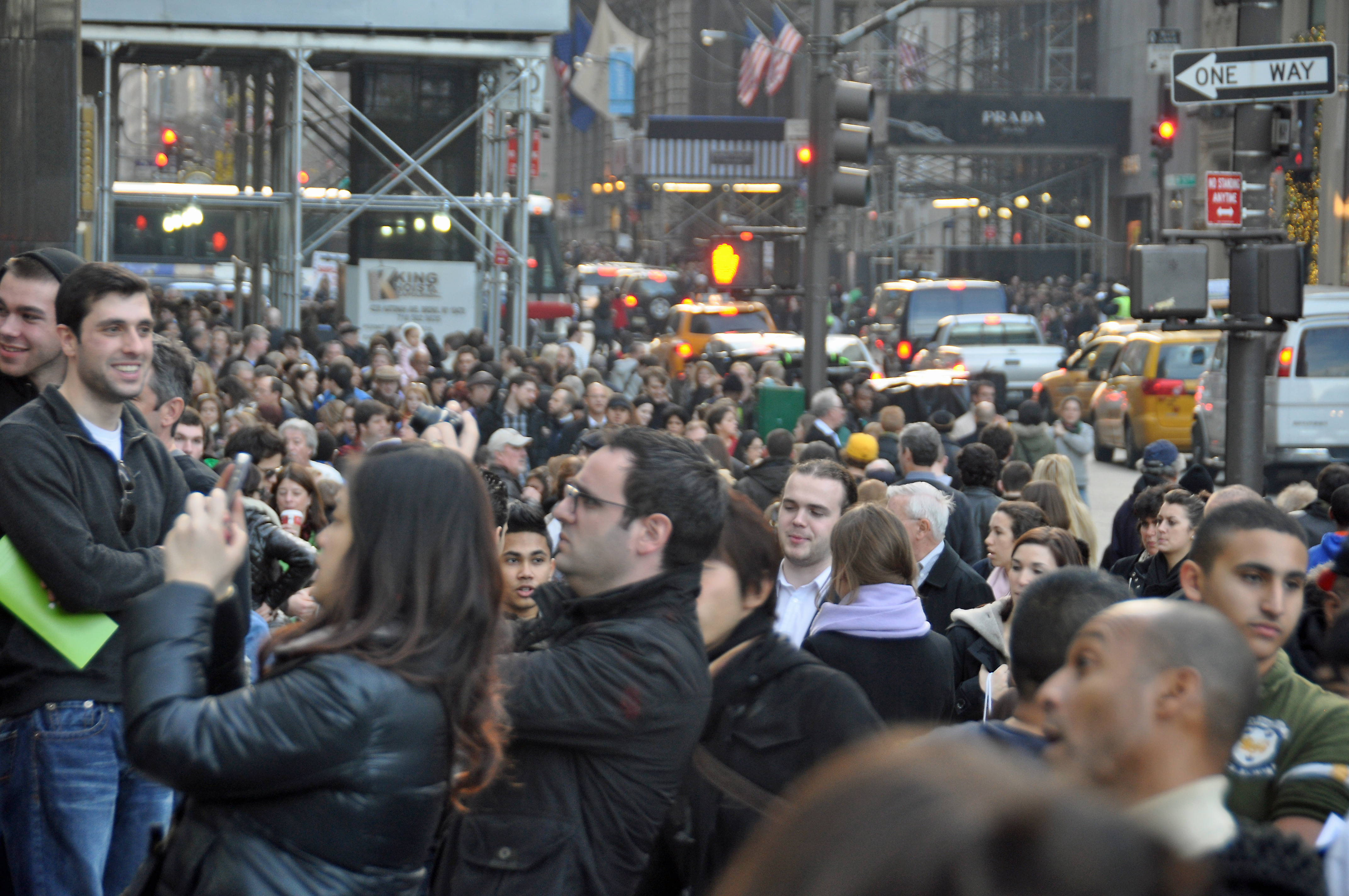
"This Black Friday, resist the itch to buy some dumb thing just for the novelty of it." That is the opening line of Adbusters' 2026 call for Buy Nothing Day, the anti-shopping protest that lands on November 27, the same day as the biggest sales rush of the year.
The magazine's own Buy Nothing Day page keeps the tone blunt. "This Friday, keep the credit card holstered," it says, before urging readers to step outside, watch a bird fly by and have a heart-to-heart with a friend. It signs off with a jab at the whole season: "Black Friday is the perverse ritual of a failing civilization."
A Canadian artist's idea
The day began in Canada. According to Wikipedia's history of Buy Nothing Day, it was invented by Canadian artist Ted Dave and first held in September 1992 as a chance for people to think about overconsumption. Adbusters, the magazine and nonprofit that Kalle Lasn and Bill Schmalz founded in Vancouver in 1989, soon took up the cause.
In 1997 organisers made the shrewd move that defined it, shifting the date to the Friday after American Thanksgiving, head to head with Black Friday. North America, the United Kingdom, Finland and Sweden mark it on that Friday, while elsewhere it falls on the following Saturday, the last Saturday of November.
It spread fast. Japan joined in 1999, and by 2001 the day was observed in more than 35 countries. Adbusters co-founder Kalle Lasn claimed in 2006 that it had reached over 65.
Empty carts and zombie walks
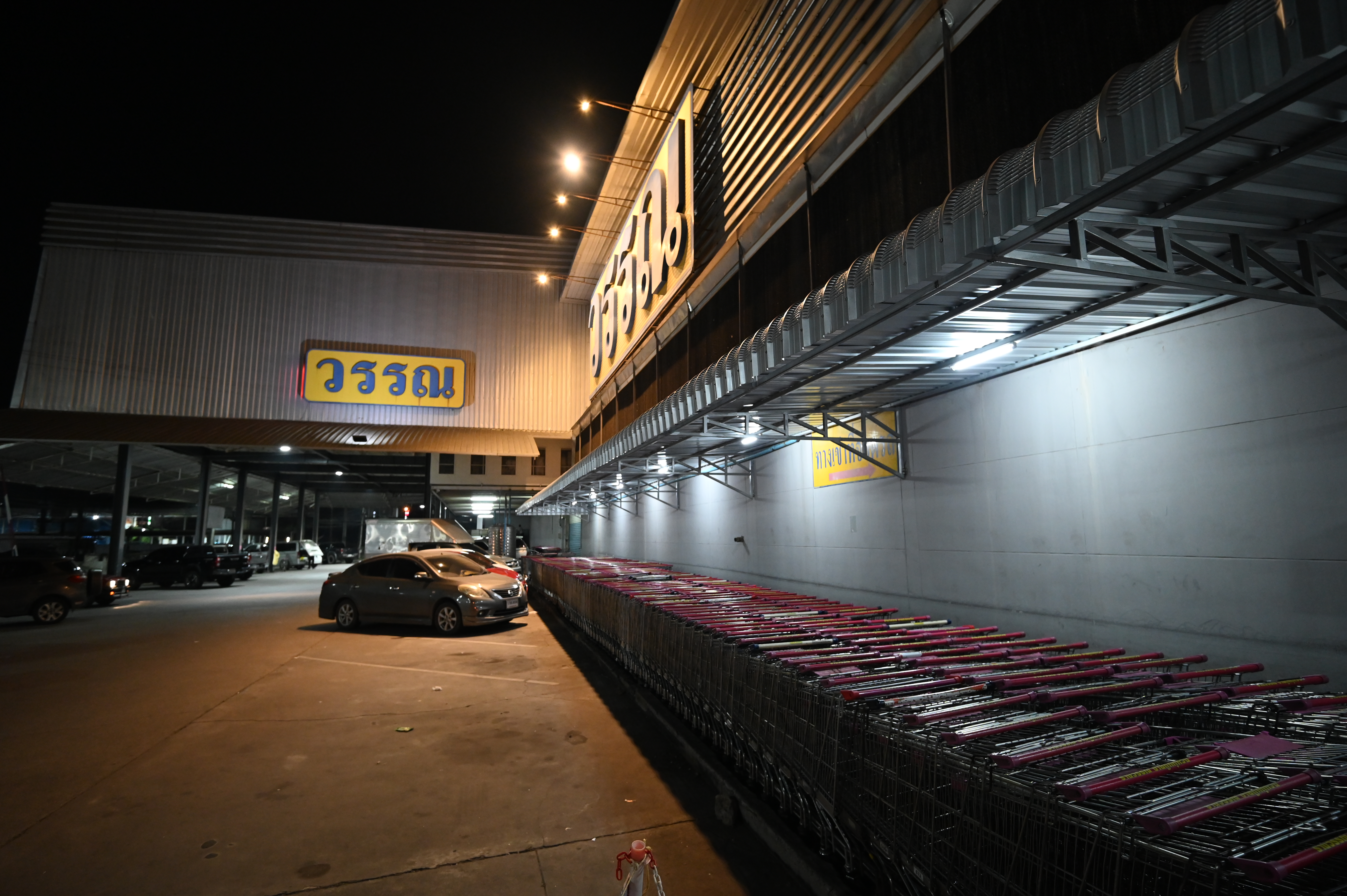
Supporters have never been short of stunts. Over the years they have held credit card cutting parties, handed out flyers in busy shopping streets and staged the "Whirly-Mart", a slow conga of people pushing empty shopping carts around a store. Others swap winter coats instead of buying new ones, and some shuffle through malls in zombie makeup.
Adbusters also made a TV ad in the 1990s that showed North Americans as a belching pig. Most of the big US networks refused to run it, and only one cable news channel and some local stations agreed. In 1997 one network explained its refusal by pointing to "the current economic policy in the United States".
Not everyone is a fan
Business groups have pushed back hard. In 2002 the National Association of Manufacturers called Buy Nothing Day "a very bad idea" and "a protest against modernity", and a Maryland retail group argued it could hurt store workers. After the September 11 attacks, some Americans felt spending was needed to help the economy recover.
The idea keeps stretching anyway. A family named Clark stopped buying Christmas presents back in 1968, and in 2001 a small group of Canadian Mennonites launched Buy Nothing Christmas online. Adbusters later rebranded the holiday push as Occupy Xmas in 2011. British band Chumbawamba even wrote a song called "Buy Nothing Day" for their 2004 album Un.
Whatever you decide to do on November 27, the 34th anniversary year makes one thing clear: the quietest protest on the calendar has outlasted a lot of doorbuster deals.
Badiyaa has also looked at the Arizona State study on how 'only three left' ads made shoppers more aggressive and at World Hello Day, another grassroots day that began with two brothers in 1973.
Sources
- Buy Nothing Day, Adbusters Media Foundation, 2026
- Buy Nothing Day, Wikipedia, 2026
- Adbusters, Wikipedia, 2026
Image: PattayaPatrol, CC BY-SA 4.0 via Wikimedia Commons
This article was produced with AI assistance and reviewed by our Editorial Desk. How we work.