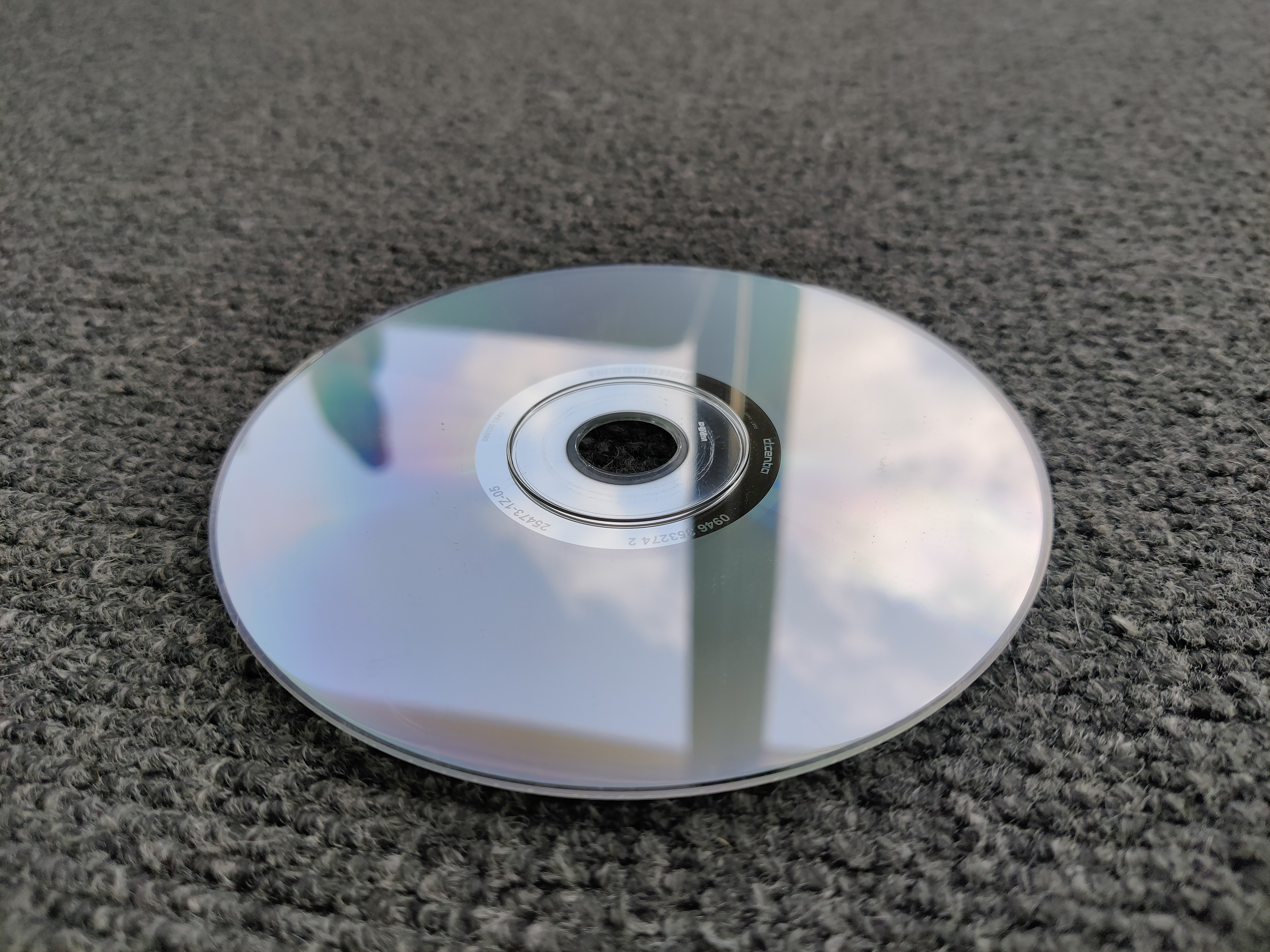
Someone once labeled a backup disk "Dad's Jaz Disk." It holds pieces of the web from December 1996 to November 1997, and it is now one of the sources behind Archive95, a one-person project rebuilding the internet of the mid-1990s from CD-ROMs, backup disks and even old Usenet posts.
Archive95's home page says it has preserved 268,205 web pages and media files from 37 data sources so far, with highlights ranging from early Netscape, GeoCities and Microsoft pages to fan sites like "The Virtual Pet Cemetery."
Filling the gaps before the Wayback Machine
The project exists because even the biggest web archive started late. The Wayback Machine's Wikipedia entry says the Internet Archive's earliest captures go back to 1995, and the service opened to the public on October 25, 2001. Plenty of the early web was never crawled at all.
Archive95 goes looking for copies people made for other reasons. Its About page lists four kinds of source: CD-ROMs that shipped offline copies of websites, preserved browser caches, loose archives still on the live web that could vanish, and Usenet messages ("yes, really," the page adds).
Those "internet CDs" were a real product genre: discs that gave people without a connection a taste of the web. Archive95's data sources list includes the World Wide Web Directory from Jamsa Press, around April 1995, a Silicon Graphics "Silicon Surf" CD from December 1994, a Packard Bell "Internet on a CD" from 1998, and a string of personal backups such as "Darrel's Zip Disk" and "Col's Jaz Disk."
Why it is harder than it looks
Rebuilding old pages is messy. The About page says images were often saved in a flat folder with no record of their original addresses, links were rewritten to point at error pages, and some files arrived corrupted or half downloaded. Pages that cannot be matched to a URL become "orphan files." Many captures can only be dated to an approximate month or year.
Because every file sits in one shared web of links, an image missing from one disc can be supplied by another. The site also has a search engine, a directory browser, a JSON API and a pared-back interface for vintage browsers. It says it runs well on Netscape builds as old as September 1994.
One collector's project
Archive95 is the work of Ian Edmonds, who goes by WumboSpasm online and has also worked on Flashpoint Archive and Greetmaster, an e-card museum. He started it in 2021 as a viewer for a single CD, renamed it Archive95 in 2022 after Windows 95, rebuilt it from scratch in 2024, registered archive95.net in 2025 and rewrote it again in 2026. He notes that he does not use AI tools.
The first version, still on the project's original GitHub repository, held nearly 30,000 files. The archive now holds roughly nine times that.
His "Most Wanted" list is the best part: missing magazine coverdiscs from Spain, Taiwan and the US, plus a mysterious Silicon Surfer demo CD that turned up on eBay in March 2026. If you have an old disc in a drawer, he wants to hear from you.
For more on saving the web, read Badiyaa on Archive Team's race to save Apple's support forum and Bored.com, a fun-links site archived since 1998.
Sources
- Archive95, Ian Edmonds, Archive95, 2026
- Wayback Machine, Wikipedia, 2026
- About Archive95, Ian Edmonds, Archive95, 2026
- Data Sources, Ian Edmonds, Archive95, 2026
- archive95 repository, WumboSpasm, GitHub, 2024
Image: Kent Madsen, CC BY-SA 2.0 via Wikimedia Commons
This article was produced with AI assistance and reviewed by our Editorial Desk. How we work.