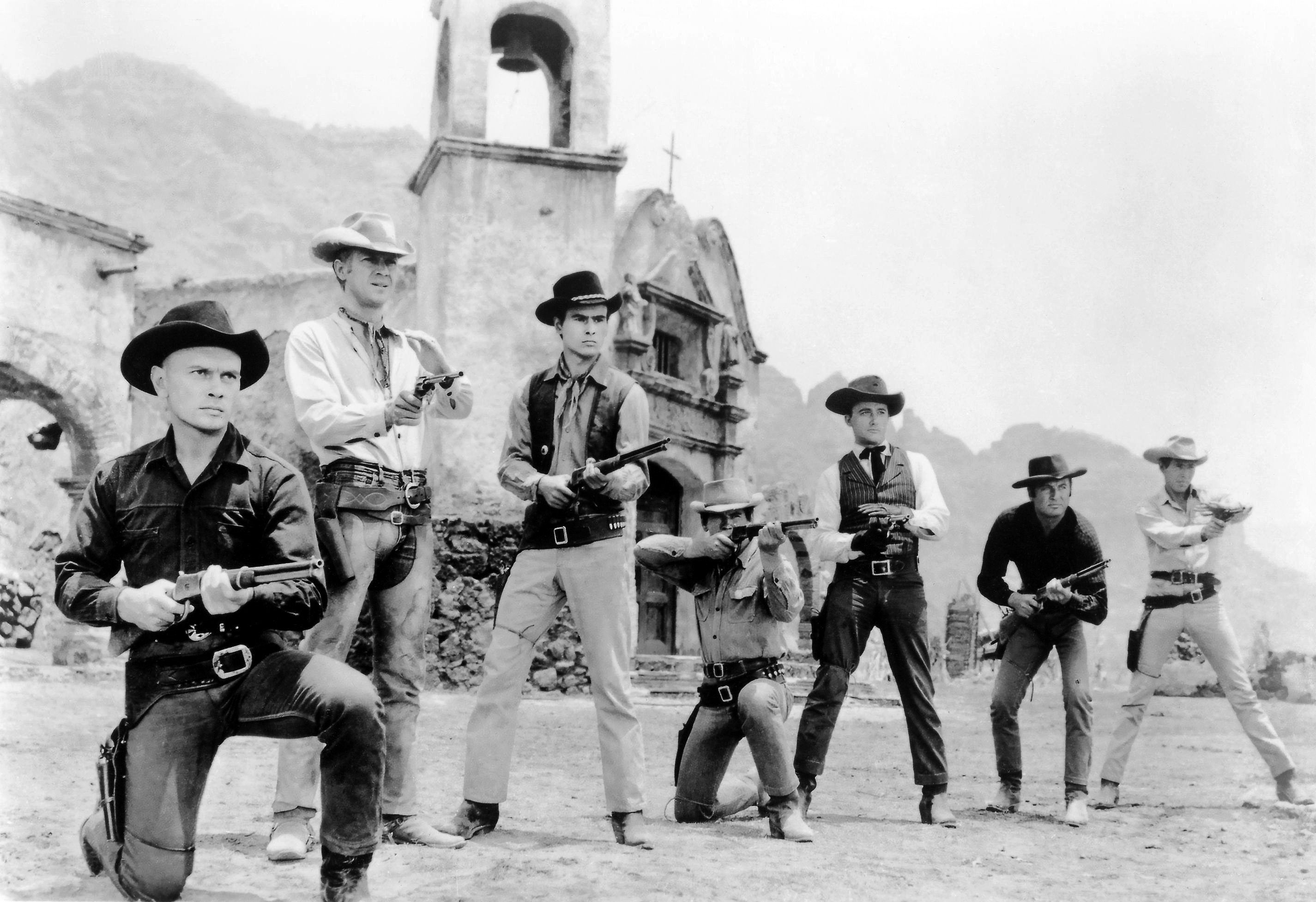
"I was scared of my overwhelming attraction to him." That is how Ali MacGraw remembered meeting Steve McQueen to talk about a movie, when she was Hollywood's most in-demand new actress, married to the head of production at Paramount, and he was the King of Cool, freshly separated from his first wife.
Within a year the two were lovers on the set of The Getaway, and the heist movie they made together turned into one of the most talked-about off-screen romances of the 1970s.
The casting that lit the fuse
MacGraw was not the first choice to play Carol McCoy, the wife who helps break her bank-robber husband out of a Texas prison. Director Sam Peckinpah wanted Stella Stevens. It was producer David Foster who pushed for MacGraw, then riding high after Love Story. Her husband, studio boss Robert Evans, wanted her out of preppy roles and set up the meeting himself, according to the production history of The Getaway.
She went in nervous. Foster said she was afraid of McQueen and Peckinpah, two men famous as "wild, two-fisted, beer guzzlers." Then the chemistry hit. "He was recently separated and free," she said of McQueen. She signed on for $300,000 plus the German distribution rights.
An affair in the Texas heat
Cameras rolled on February 7, 1972, at the state penitentiary in Huntsville, Texas, before the shoot moved to San Marcos, San Antonio and El Paso. Somewhere along that road, the co-stars began an affair. Foster worried a scandal could sink the film. He need not have bothered.
The Getaway opened in Los Angeles on December 19, 1972. Critics were mostly cool, but audiences lined up. On a budget of about $3.35 million, it took more than $36.7 million in the US and Canada and ranked as the eighth-highest-grossing film of 1972. MacGraw was harder on herself than any reviewer: "I liked the picture, but I despised my own work," she said later.
From set romance to Cheyenne wedding
The off-screen story moved faster than the plot. MacGraw and Evans separated in 1972, and their divorce was final on June 7, 1973. Barely five weeks later, on July 12, she married McQueen in Cheyenne, Wyoming, as Ali MacGraw's biography records.
McQueen was possessive about the new marriage in a very Hollywood way. When William Friedkin offered him the lead in Sorcerer, to be shot mostly in the Dominican Republic, McQueen balked at leaving his wife behind and asked for her to be made a producer so she could be on set. Friedkin said no and cast Roy Scheider, a detail noted in Steve McQueen's Wikipedia entry.
The marriage did not last. They divorced in August 1978. Yet McQueen's close friend Pat Johnson insisted that MacGraw was the great love of the actor's life: "He was madly in love with her until the day he died." MacGraw, for her part, has never married again in the nearly 50 years since.
Why the story still sells
The Getaway is a rare case where the real romance and the reel one tell the same tale: a couple on the run, a betrayed husband left behind, and a getaway that actually works. Hollywood even remade it in 1994 with Alec Baldwin and Kim Basinger, and a second remake is being developed at Netflix. Few remakes, though, can promise what the original had, which was two stars falling for each other between takes.
For more classic set-side love stories, read how Elizabeth Taylor and Richard Burton's Cleopatra affair became Le Scandale, and how Carole Lombard won over Clark Gable before they eloped in 1939.
Sources
- The Getaway (1972 film), Wikipedia, 2026
- Ali MacGraw, Wikipedia, 2026
- Steve McQueen, Wikipedia, 2026
Image: Fox Film Corporation (photographer unknown), Public domain via Wikimedia Commons
This article was produced with AI assistance and reviewed by our Editorial Desk. How we work.