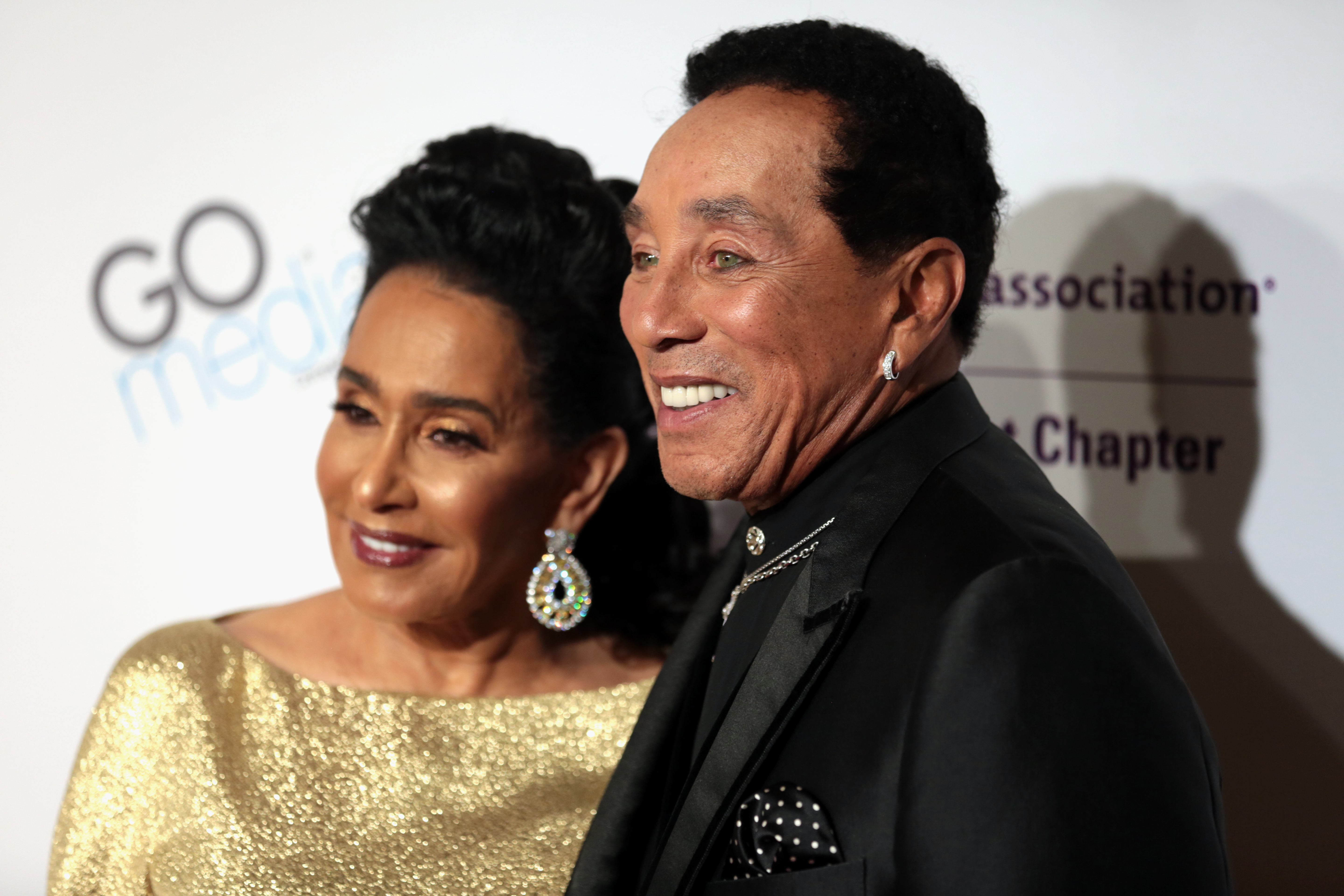
Smokey Robinson never had a giant hit with Quiet Storm. The single stalled at No. 61 on the Hot 100 in 1976. What it did instead was bigger: it lent its name to an entire after-dark world of R&B radio, the candlelit, slow-jam hours that still fill late-night airwaves in America.
The song opened Robinson's third solo album, A Quiet Storm, released on Motown's Tamla label on March 26, 1975. He produced the record himself, and the title track, written with Rose Ella Jones, runs a luxurious 7 minutes and 47 seconds. According to the Wikipedia entry for A Quiet Storm, the album revived his solo career after he left the Miracles and two weaker solo records, and it gave him a No. 1 soul single in Baby That's Backatcha.
A college intern and a borrowed time slot
The radio story starts at Howard University in Washington, D.C. In June 1976, student Melvin Lindsey and classmate Jack Shuler filled in on air at WHUR-FM, the station Howard owns, for an employee who had not turned up. Lindsey had a velvet voice and a habit of spinning old, slow love songs by Black artists of the 1950s, '60s and '70s.
Listeners loved it. Station manager Cathy Hughes handed the pair their own show, and they named it after Robinson's song, which became Lindsey's nightly theme. Wikipedia's history of the quiet storm format describes four hours of soulful, intimate music built for late-night listening by grown-up audiences.
WHUR tells a moodier version of the origin. The station's Wikipedia entry says Lindsey strung together a run of soothing songs during a bad storm in 1976, while power was out at most other local stations.
From one show to a nationwide format
The idea spread fast. Within a few years, nearly every US station with a core Black urban audience had its own version in the overnight slot. Philadelphia's WDAS-FM renamed its late show The Quiet Storm in 1976, and KBLX-FM in the San Francisco Bay Area went all quiet storm, around the clock, in 1979.
The money followed the mood. Lindsey's pay rose from $12,000 in 1977 to more than $100,000 by 1985, when he left WHUR on a five-year, million-dollar deal with rival station WKYS. That is better than an eightfold raise in eight years. Lindsey's Wikipedia biography credits him with originating the format, which outlived him; he died in 1992 at 36.
Howard later registered Quiet Storm as a trademark for a continuing series of radio music programs, and WHUR still runs a 24-hour Quiet Storm stream on its HD2 channel. Hughes, meanwhile, built on the format's success to found Radio One.
Who made the sound
The format turned into a genre of its own: smooth, jazz-tinged and seductive, with lyrics that hint rather than shout. Luther Vandross became one of its defining voices, a run that includes Luther Vandross's Never Too Much, now 3x Platinum in the UK. Keith Sweat later hosted a syndicated nightly show in the same tradition, years after Keith Sweat's debut Make It Last Forever made him a slow-jam star.
It all traces back to Motown, the label whose rise Badiyaa charted in how Berry Gordy turned an $800 loan into Motown. Not bad for a song that never cracked the pop top 60.
Sources
- Quiet storm, Wikipedia, 2026
- A Quiet Storm, Wikipedia, 2026
- WHUR-FM, Wikipedia, 2026
- Melvin Lindsey, Wikipedia, 2026
Image: Gage Skidmore, CC BY-SA 2.0 via Wikimedia Commons
This article was produced with AI assistance and reviewed by our Editorial Desk. How we work.