Sesame Street has nearly run out of road several times in 57 years, and each time the nonprofit behind it found a new way to pay for Big Bird. The latest turn came in May 2025, when Netflix picked up the show two months after its US distribution deal ended and Sesame Workshop announced it would shrink and restructure.
That pattern of crisis and reinvention runs through the history of the organization, founded in 1968 as the Children’s Television Workshop. Badiyaa told the story of how Sesame Street was born from a dinner party and $8 million in grants. This is the story of how it kept going.
The 1980s near-miss
The first crisis was self-inflicted. Through the early 1980s, the Workshop put money into video games, motion pictures, theme parks and other ventures, and many of the bets went bad. Its other shows struggled to find audiences, and the organization’s finances took a beating.
The fix was licensing. Executive Bill Whaley, brought in to manage the Workshop’s product deals, could not cover the losses until 1986, when licensing income steadied and investments recovered. Those rules had been strict from the start: Jim Henson agreed to market the Muppets only if toy and book profits funded the Workshop, and every product had to be educational, cheap and never advertised during the show. Coloring books were banned because they were thought to box in children’s imaginations.
Buying back the Muppets
The second big shift came around the turn of the century. In 1998 the Workshop took corporate money for its programs for the first time, a move consumer advocate Ralph Nader urged parents to boycott. The same year it put $25 million into Noggin, a children’s cable channel launched with MTV Networks in February 1999.
That bet paid off quickly. Profits from the Noggin deal, plus the Tickle Me Elmo craze, let the Workshop buy the rights to the Sesame Street Muppets from the German company that had just acquired the Jim Henson Company, in a 2000 deal valued at $180 million. The organization renamed itself Sesame Workshop that June, and two years later sold its half of Noggin to Viacom, partly to clear debt.
Where the money comes from
The business that emerged leans far less on government than the original did. Federal money, which covered half of the first budget, was about 4% by 2019, under $5 million a year. Here is how the main income streams compare:
- Royalties and distribution: $52.9 million in 2018, the single largest source.
- Donations: $47.8 million, about 31% of income.
- International co-productions and licensing: $96 million by 2005, from versions now seen in more than 70 languages.
- Toy, game and clothing licensing: $4.5 million in 2018, despite more than 500 licensing agreements.
The arithmetic shows the real engine. Royalties and donations together came to $100.7 million in 2018, against operating costs of more than $100 million a year, which left the Workshop an operating income of only about $1.6 million. The plush toys that made Elmo famous now bring in less than a tenth of what distribution deals do.
The streaming era
That dependence on distribution is why the 2025 shake-up mattered. When the US deal lapsed, the Workshop had already spent years spreading its bets: a 2018 Apple deal for original puppet series, two $100 million grants from the MacArthur and LEGO foundations for work with refugee children, and YouTube channels with millions of subscribers. Sherrie Westin, president since 2021, now runs a company built to survive on several legs rather than one.
The deal-making has not slowed. Sesame Workshop’s own press room lists a LEGO Group partnership on nature play announced on October 27 and a Dr. Seuss crossover on YouTube in September. For more screen stories, browse the Badiyaa entertainment section, or read the organization’s encyclopedia entry.
The next test arrives on Monday, November 23, when a new season of Sesame Street, built around kindness and managing big feelings, launches on Netflix and PBS Kids at the same time.
Further reading
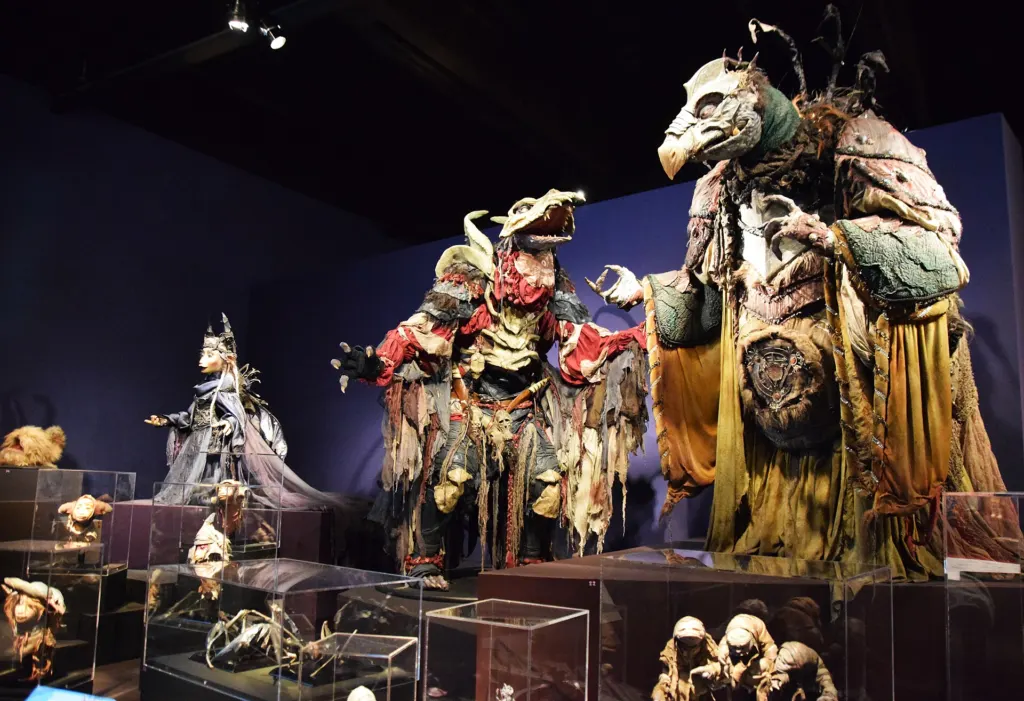
Illustrative image. Image: ajay_suresh, CC BY 2.0 via Wikimedia Commons
This article was produced with AI assistance and reviewed by our Editorial Desk. How we work.