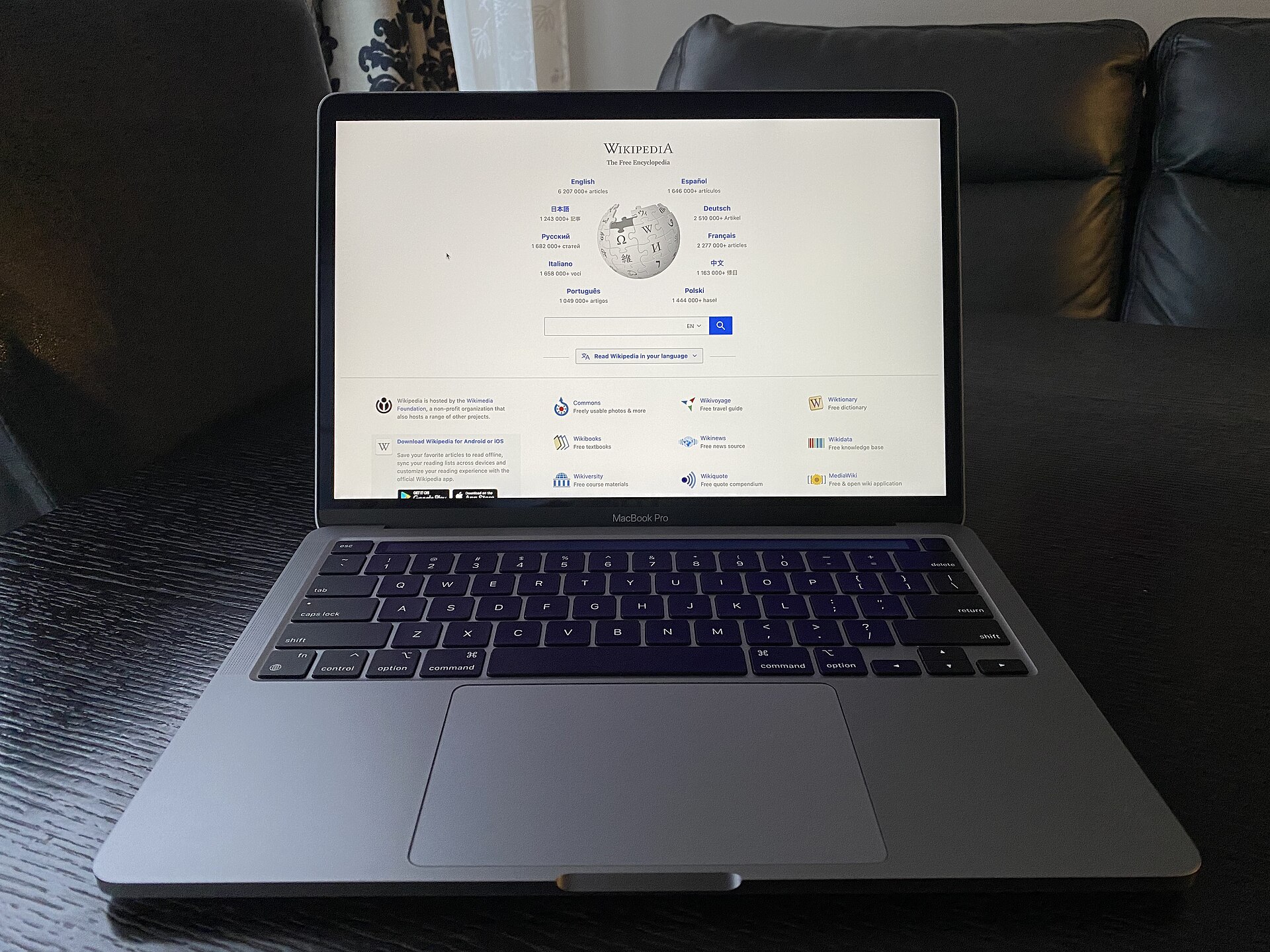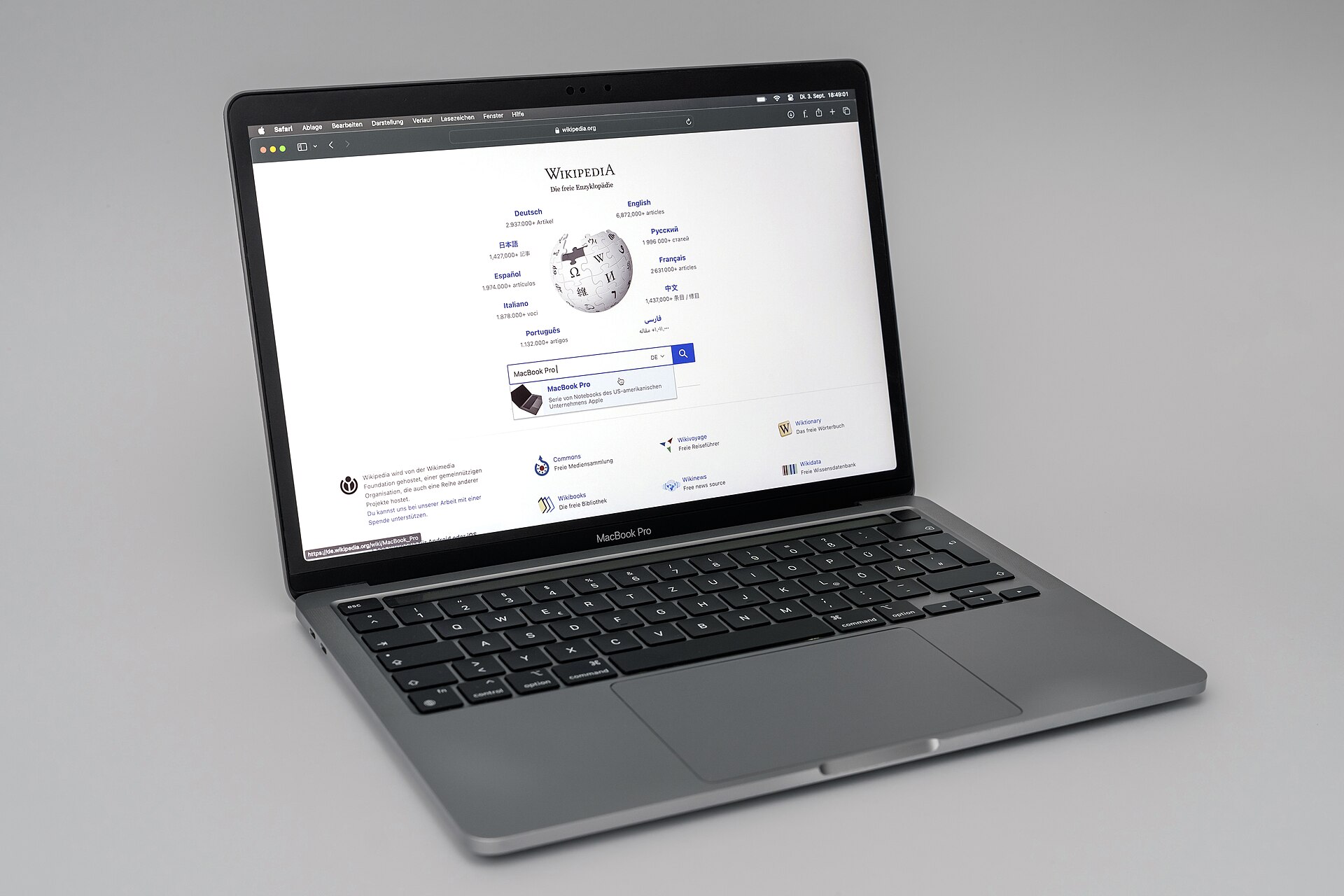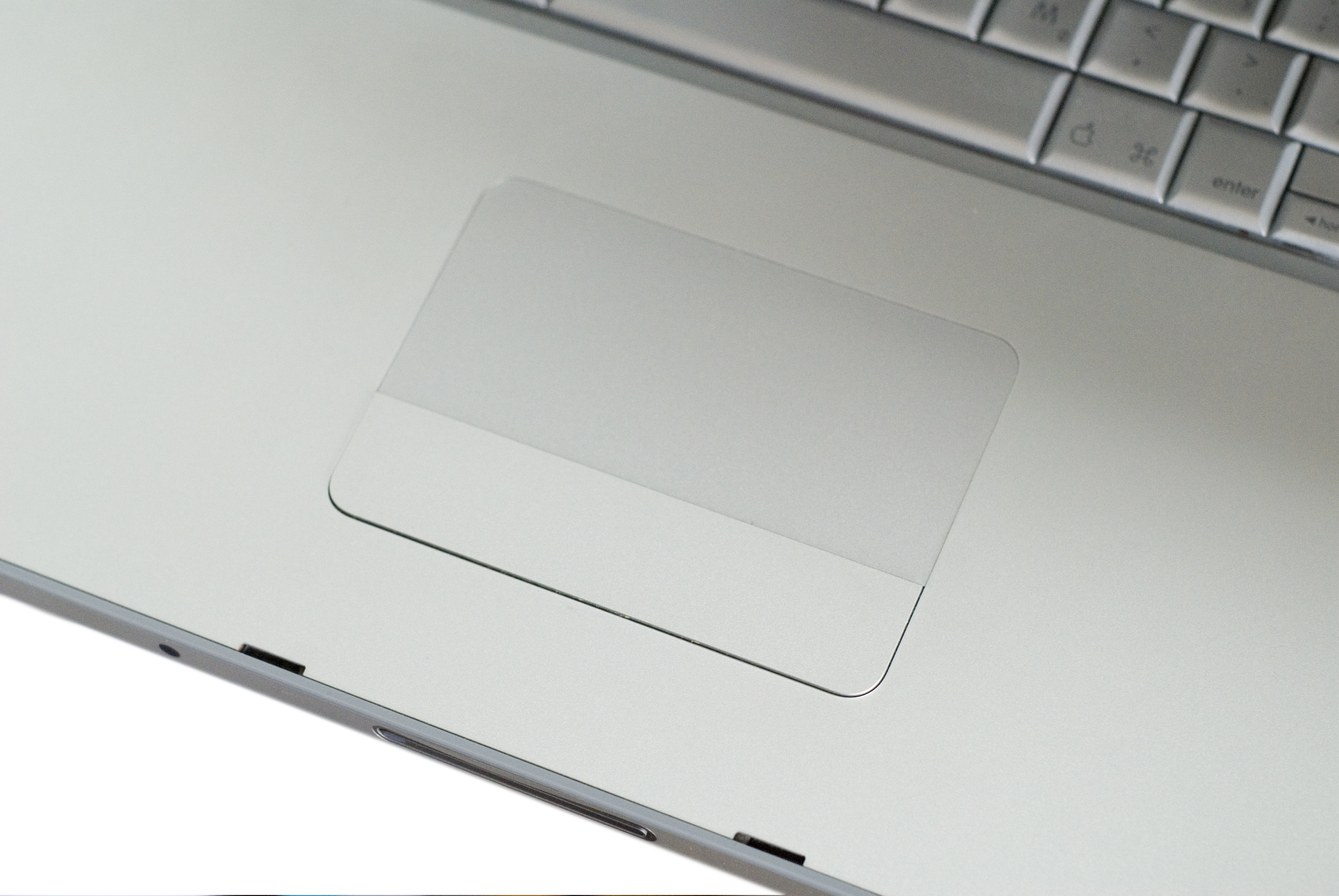
A MacBook trackpad has no speaker in it, yet developer Cody Collier has made one talk, sing and rap. His free tool, Nospeaker, hammers the trackpad's tiny haptic motor up to 4,000 times a second, fast enough that the glass itself vibrates into sound you can hear, even with the Mac muted.
"Mute your Mac. Your trackpad will still talk," reads the opening of the Nospeaker repository on GitHub, which had passed 1,100 stars and 55 forks when Badiyaa checked it on Monday. The whole program is one Swift file with no dependencies, released under the MIT license.
How a click motor becomes a voice
The motor in question is the one behind Apple's Force Touch trackpads. Wikipedia's Force Touch entry describes Apple's Taptic Engine as an electromagnetic linear actuator that oscillates back and forth rather than spinning, producing vibrations as short as 10 milliseconds. Its normal job is faking the feel of a click on glass that barely moves.
Nospeaker turns that into speech in four steps:
- macOS's built-in voice speaks the line silently into memory.
- Every 10 milliseconds, the program measures the voice's two strongest resonances, called formants, plus its loudness and pitch.
- Those two resonances go to the motor as a pair of tones, kicked off again with each beat of the voice's pitch, which gives them a vocal buzz rather than a whistle.
- Hissing consonants like s, f and t are rendered as short spurts of high-pitched tones.
Collier tried three resonances too, but in his blind listening test two won, since sharing the motor's power between fewer tones made the speech both clearer and louder. He admits the result sounds robotic, which is why the program types each line on screen as it speaks.
Why Apple's own tools could not do it
The trick depends on MultitouchSupport, a private, undocumented macOS framework. According to Collier's technical notes in the Nospeaker README, Apple's public haptics API offers only three fixed taps, while the hidden functions take a recipe of sine waves, each given a pitch, an intensity and a duration. He credits the open-source Tactile project for the function names and says everything else was measured on a MacBook.
Measured with the laptop's own microphone, the trackpad plays usefully from about 100 Hz to 4 kHz, with its cleanest notes near 1 kHz. Put another way, that range runs about two octaves above the 600 Hz ceiling that Collier says the public notes stop at, and it covers the core band of human speech.
What you need to try it
The tool needs a Force Touch trackpad, which Apple has built into MacBook Pro models from early 2015 onward and into the Magic Trackpad 2, and at least macOS 12 on an Apple silicon Mac, or macOS 13 on an Intel one. Collier has tested it on one machine, an M5 Max MacBook Pro on macOS 27.2.1, and asks owners of other models to report how it sounds. He suggests resting the laptop on a desk, because the sound drops off sharply when it sits on your knees.
Two caveats come straight from the developer. Nospeaker caps the motor at its usual top strength; Collier says driving it harder would be louder but makes the driver start to stall. And since Apple never documented the framework, any macOS release could quietly stop the tool working.
It joins a run of hobby projects that bend Apple hardware in ways Apple never planned, from Meta's Cuttlefish Android emulator running natively on Apple silicon to Xnulinux booting the macOS desktop on top of Linux.
A built-in sweep mode, run with a single flag, plays a rising tone from 100 Hz to 4 kHz, the quickest way to hear exactly what a given trackpad can do.
Sources
- nospeaker: make your MacBook's trackpad talk using its haptic motor, Cody Collier, GitHub, 2026
- Force Touch, Wikipedia, 2026
Image: Highway of Life, CC BY-SA 3.0 via Wikimedia Commons
This article was produced with AI assistance and reviewed by our Editorial Desk. How we work.