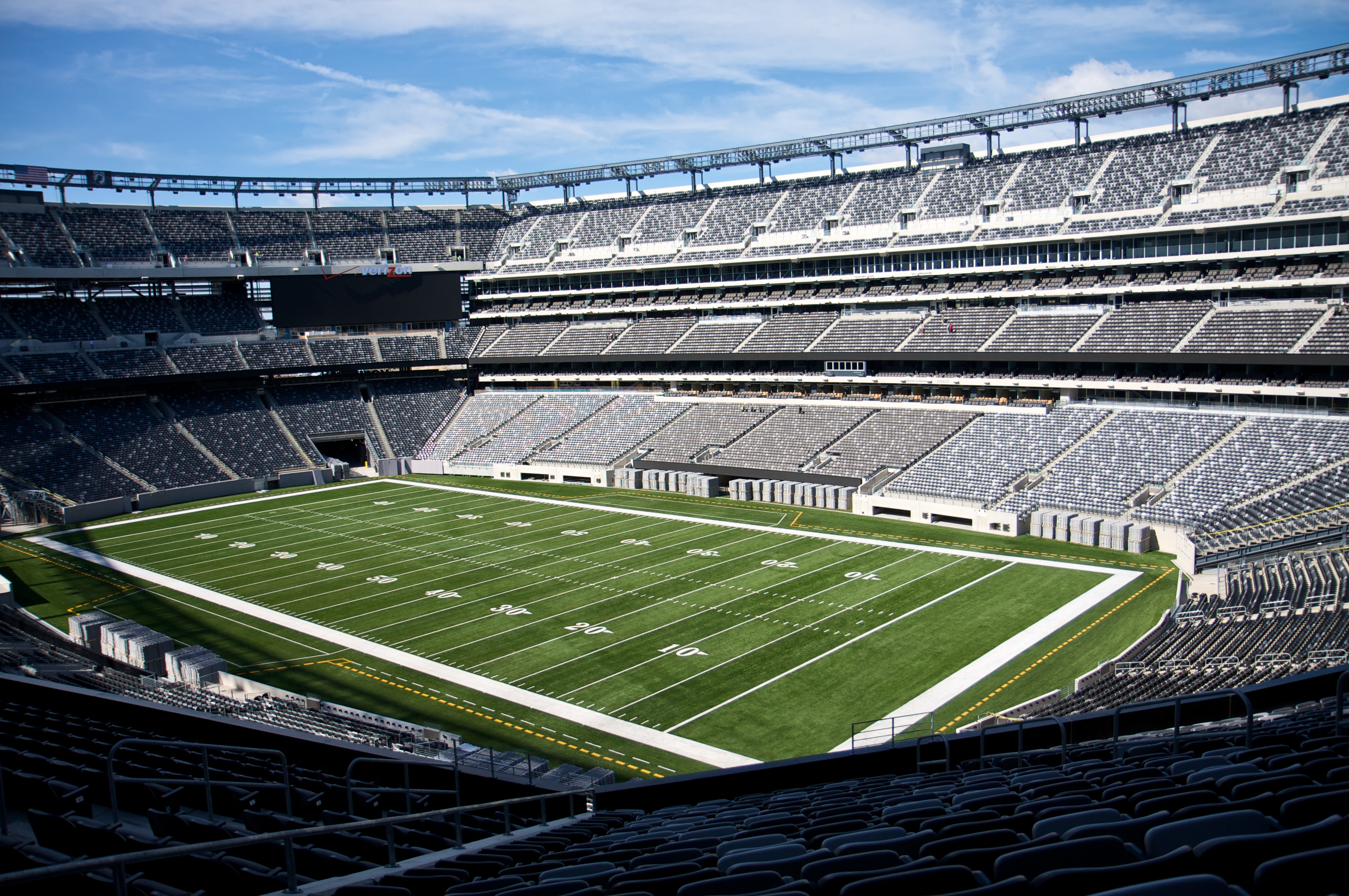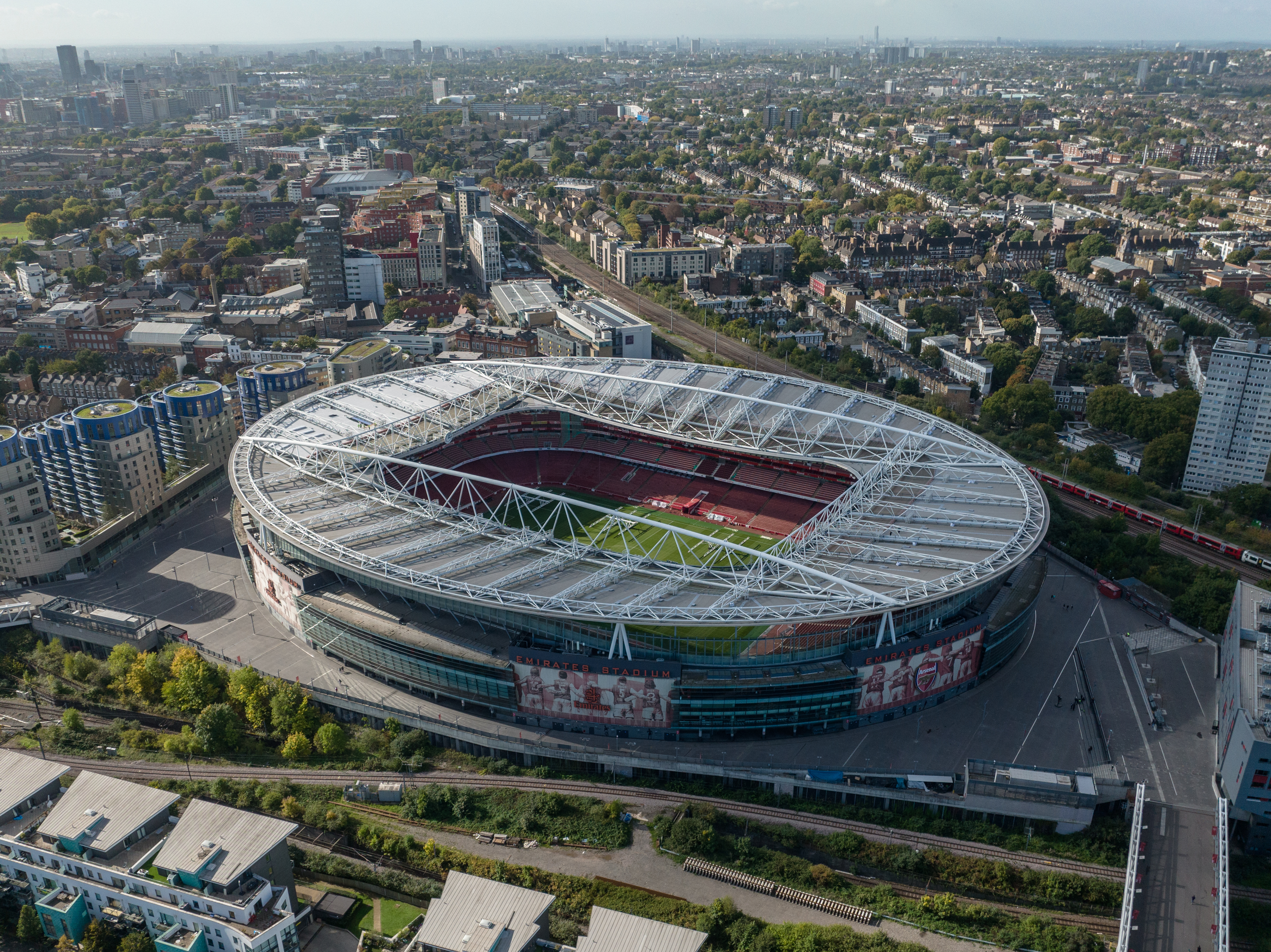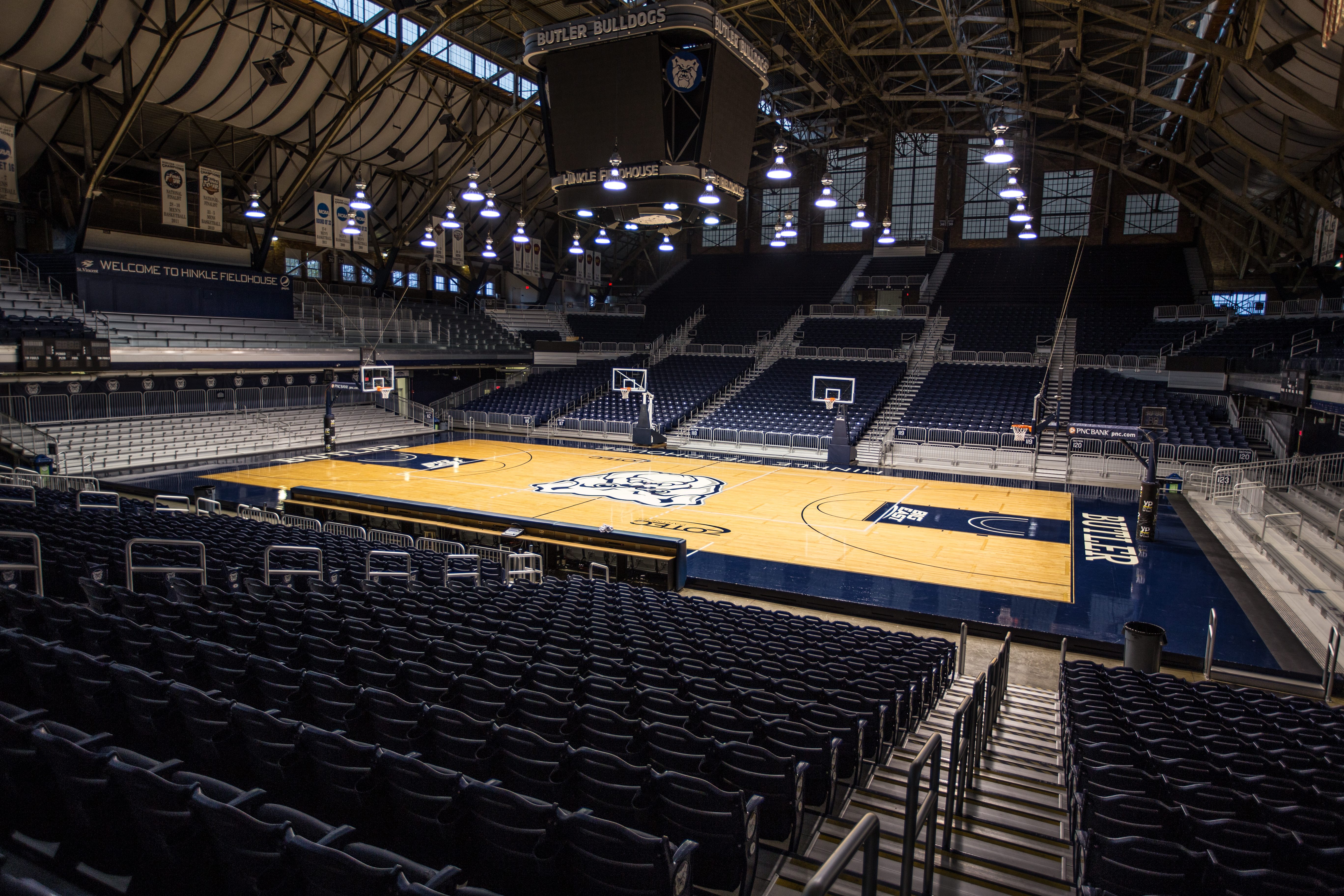
The NBA wants to build Europe a new generation of basketball palaces, and it has lined up some of the biggest names in global finance to pay for them. In London on Wednesday, the league unveiled plans for an initiative targeting at least €10 billion to build and renovate arenas, and the entertainment districts around them, for its new European league.
The money men are a who's who of private capital. According to the NBA's official announcement, Blackstone, J.P. Morgan, Ares Management, Apollo Sports Capital, Sixth Street, Stonepeak, KKR's Arctos and BlackRock's HPS Investment Partners are all in the group being assembled, with more firms expected.
Silver's pitch: arenas that change cities
Commissioner Adam Silver framed the plan as a fan-experience upgrade with a real-estate engine attached. "We've seen firsthand how state-of-the-art arenas and the related developments around them can transform basketball teams and their surrounding communities," Silver said.
The investors went further, saying in a joint statement: "Together, we have the potential to invest billions of euros to create world-class venues in European cities."
Depending on the city, the projects could include housing, offices, restaurants, shops and public spaces, with arenas designed as year-round destinations rather than buildings that sit dark between games. The league has not yet named a single arena project or city that will receive funding, and says talks with investors and developers are continuing.
The league the arenas are for
The arenas are meant to serve the new league the NBA and FIBA plan to launch in 2027. The NBA's own progress report on the league lays out the shape: 16 teams, made up of 12 permanent franchises and four annual qualifiers. The target cities are Athens, Barcelona, Berlin, Istanbul, London, Lyon, Madrid, Manchester, Milan, Munich, Paris and Rome.
Some of those, notably London, Milan and Rome, have no permanent top-level basketball team at all, which is exactly where a modern arena matters most. Bids for the franchises were reported to sit within and above a range of $500 million to $1 billion each.
What €10 billion buys, city by city
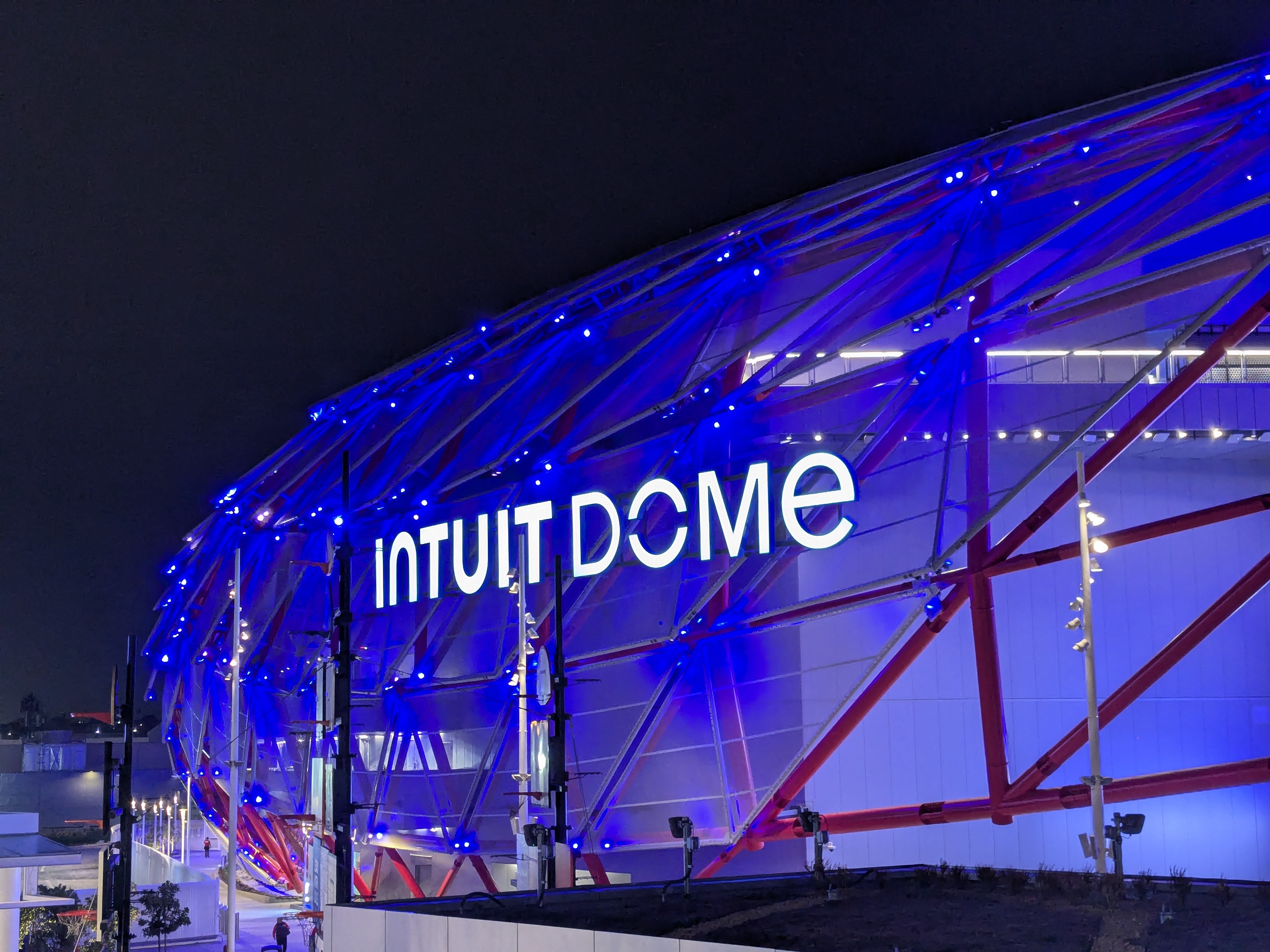
Spread evenly across the 12 target cities, €10 billion works out to roughly €833 million per city. That is a useful yardstick, because the NBA's own example is far pricier. The league pointed to the Intuit Dome in Inglewood, California, as the kind of venue it has in mind, and the Intuit Dome's Wikipedia entry puts its cost at $2 billion for an 18,300-seat home for the Los Angeles Clippers.
In other words, the pot is big enough for a few showpiece builds and a lot of renovations, not a dozen copies of the Clippers' arena. Phoenix Suns star Devin Booker summed up the Inglewood project after his first game there: "You spend $2 billion, put a wall up."
The economic promise
The NBA also cited a study by The Sports Consultancy claiming the new league could add more than €24 billion in gross value added across Europe, support nearly 15,000 full-time jobs a year and draw nearly 70 million spectators over its first decade. Those are the league's projections, not audited figures.
The European push is already visible on court. San Antonio and New Orleans play regular-season games in Paris on January 14 and Manchester on January 17. For more on the Spurs' French superstar, see Badiyaa's report on Victor Wembanyama's 50-point night against the Pelicans, and our look back at why a basketball hoop is 10 feet high.
The first NBA Europe season is planned for fall 2027.
Sources
- NBA announces plans for a €10 billion European arena initiative, NBA (official release), 2026
- Progress report on the proposed NBA Europe league, NBA, 2026
- Intuit Dome, Wikipedia, 2026
Image: Haruhi8, CC BY 4.0 via Wikimedia Commons
This article was produced with AI assistance and reviewed by our Editorial Desk. How we work.