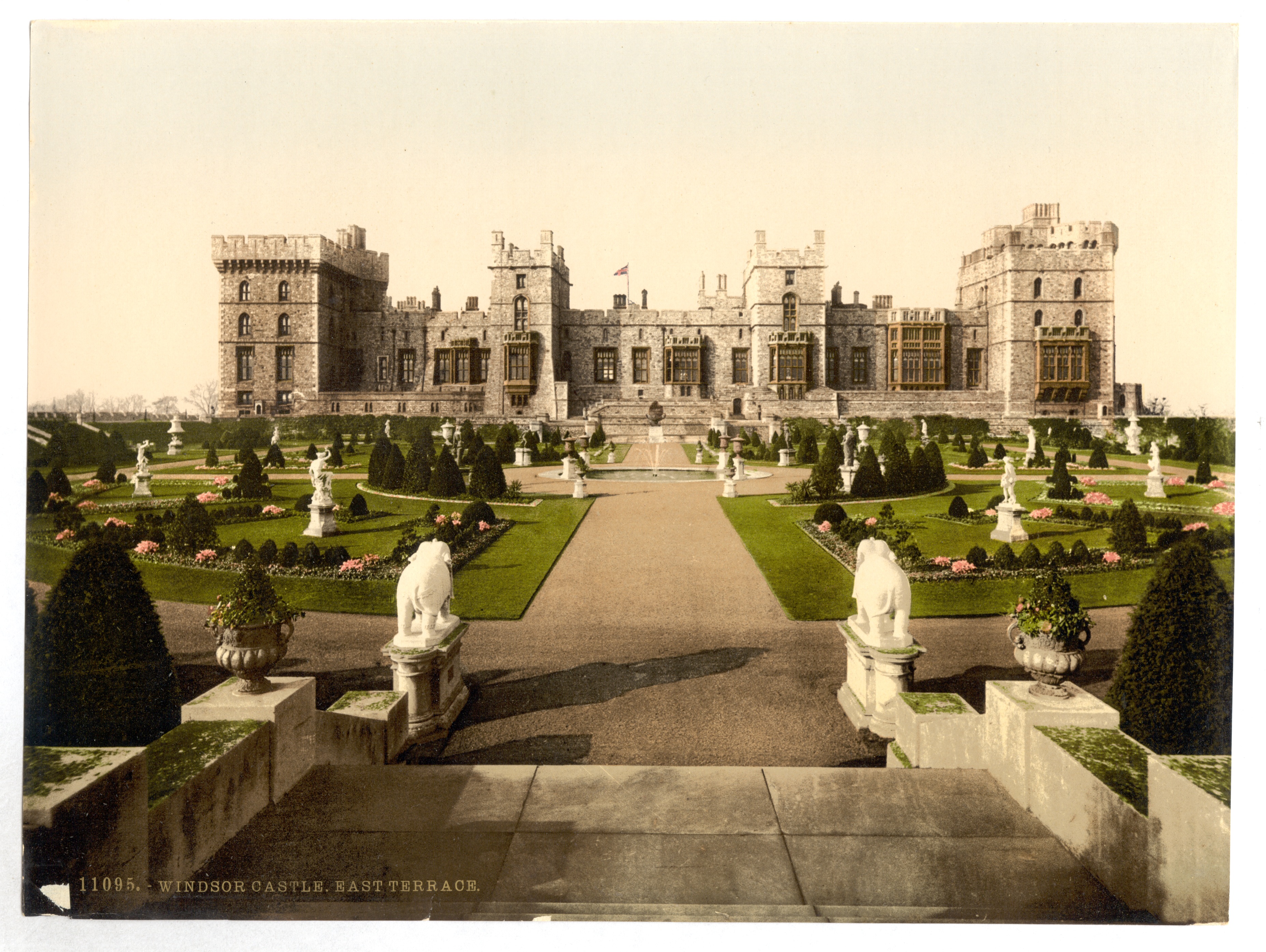
The marathon is 26.2 miles because of the 1908 London Olympics. Organizers ran the race from the grounds of Windsor Castle to the new White City Stadium in Shepherd's Bush, and the route they settled on measured about 26 miles to the stadium plus 385 yards on the track. That oddly specific total, 42.195 kilometers, became the official marathon distance in 1921.
Every big-city marathon, from New York to London, still uses it, so every runner who hits the 26-mile marker and groans at the last stretch is paying for decisions made in the spring and summer of 1908.
How the course grew
The distance was never meant to be precise. According to the Wikipedia history of the 1908 Olympic marathon, the International Olympic Committee agreed with the British Olympic Association in May 1907 that the Games would include a marathon of about 25 miles, or 40 kilometers. The Polytechnic Harriers, a London running club, took over the organizing in February 1908, and by April the plan had become "about 26 miles" to the stadium plus a full lap of the track.
Two late changes produced the famous figure:
- The start: King Edward VII allowed the race to begin on the East Lawn by the private East Terrace of Windsor Castle, away from the crowds.
- The finish: The planned entrance through the Royal Entrance turned out to be unusable, so runners came in diagonally opposite the Royal Box and ran clockwise. That cut the track section from a full lap to 385 yards, ending at the normal finish line in front of the Royal Box.
The official description became "about 26 miles plus 385 yards on the track." Drop the word "about," and you have the number on every modern race bib.
The math behind 42.195
Do the conversion and it checks out. Twenty-six miles is 41,843 meters, and 385 yards adds another 352 meters, for a total of 42,195 meters. That is 2.195 kilometers, or roughly 1.4 miles, longer than the 40-kilometer course Spyridon Louis won at the first modern Olympics in Athens in 1896.
The race that made the distance famous
The 1908 race itself, run on July 24, was a sensation. Fifty-five runners from 16 nations started and 27 finished. Italy's Dorando Pietri reached the stadium first in front of 75,000 spectators but needed help from officials to cross the line, and his final 350 meters took about ten minutes. He finished in 2 hours 54 minutes 46 seconds, 32 seconds ahead of American Johnny Hayes, but the US team protested the assistance and Pietri was disqualified. Hayes took gold in an Olympic record 2:55:18.4. Queen Alexandra gave Pietri a gilded cup the next day.
That drama set off worldwide marathon fever. Pietri and Hayes turned professional and staged rematches over 26 miles 385 yards, and other races copied the distance. The first came at Madison Square Garden in New York on November 25, 1908, exactly 118 years ago this Wednesday, and Pietri won it, according to Pietri's Wikipedia biography, which says he went on to win 17 of the 22 races on his American tour. The minutes of the sport's governing body reportedly do not say why it picked the London figure in 1921, but by then the 1908 distance had already spread around the world.
Marathons still make headlines for reasons far from the stopwatch, as when Ariana Grande wrote a note for a stranger at the NYC Marathon. For more record-book stories, see Badiyaa's Sports section and our piece on Rafael Jódar beating Gustavo Kuerten's top-10 record.
The stadium itself is gone. White City Stadium's Wikipedia entry records that King Edward VII opened it on April 27, 1908, with 68,000 seats, and that it was demolished in 1985. A marker in the plaza that now covers the site shows where the 1908 marathon finish line stood, the spot that fixed the last 385 yards of every marathon run since.
Sources
- Athletics at the 1908 Summer Olympics, men's marathon, Wikipedia, 2026
- Dorando Pietri, Wikipedia, 2026
- White City Stadium, Wikipedia, 2026
Image: Photochrom Print Collection, Library of Congress, Public domain via Wikimedia Commons
This article was produced with AI assistance and reviewed by our Editorial Desk. How we work.