Lauryn Hill borrowed the name of her only studio album from a 93-year-old history book. The Miseducation of Lauryn Hill, released on August 19, 1998, nods to Carter G. Woodson's 1933 study The Mis-Education of the Negro, and it went on to sell 422,624 copies in its first week, more than any album by a woman had ever moved in seven days at that point.
Hill first leaned toward a different title. According to the album's Wikipedia entry, she wanted to riff on Sonny Carson's memoir The Education of Sonny Carson, but her collaborators pushed for something more self-mocking, and Woodson's book fit. Woodson argued that Black students in early 20th-century America were being conditioned rather than taught, and he urged readers to educate themselves, a thesis laid out in the Wikipedia summary of Woodson's book. Hill flipped that idea inward: her record is about learning, mostly the hard way, about love.
From New Jersey to Kingston
The Fugees were on hiatus when Hill started work in September 1997. Sessions ran until June 1998, beginning in New York and New Jersey before moving to Tuff Gong Studios in Kingston, Jamaica. Hill wrote and produced almost all of it herself, with Carlos Santana, Mary J. Blige and D'Angelo dropping in as guests. Blige's own crossover moment with Method Man is one Badiyaa traced in the story of their Grammy-winning Marvin Gaye flip.
The lead single did something no solo rapper had done before. As the Wikipedia history of Doo Wop (That Thing) records, the song entered the Hot 100 at No. 1, only the tenth song ever to debut at the top and the first by a hip-hop soloist. It was also the first No. 1 written, produced and sung by one woman since Debbie Gibson in 1989.
The numbers, then and now
- Chart dated September 12, 1998: debuts at No. 1 on the US albums chart, a first for a debut album by a woman.
- Week one: 422,624 copies, the best opening for a female rapper ever recorded.
- February 24, 1999: wins Album of the Year and Best R&B Album at the 41st Grammys, where Hill set records for nominations and wins by a woman in a single night.
- Today: certified Diamond in the US for 10 million units, with about 20 million sold worldwide.
Run the math on that last line and the US accounts for half of all copies sold, a strong showing abroad for a record built partly in Jamaica and steeped in reggae and soul. At the 1999 VMAs the Doo Wop clip collected four trophies, and its Video of the Year win was a first for hip-hop.
A shelf in the Library of Congress
The album has since been added to the Library of Congress' National Recording Registry and the Grammy Hall of Fame, and it was among the first hip-hop records chosen for Harvard's Loeb Music Library. Its pull still shows up in unexpected places, including a 2019 Voice Kids UK audition that Badiyaa covered when a 13-year-old's Ex-Factor cover trended again. Fans of the neo-soul wave it helped launch can also revisit the unfinished lyrics inside Erykah Badu's Mama's Gun.
Hill marked the album's 20th and 25th anniversaries with tours in 2018 and 2023. It remains her only studio album, and it turns 28 this year, with Woodson's 1933 book still sitting right there in its title.
Sources
- The Miseducation of Lauryn Hill, Wikipedia, 2026
- The Mis-Education of the Negro, Wikipedia, 2026
- Doo Wop (That Thing), Wikipedia, 2026
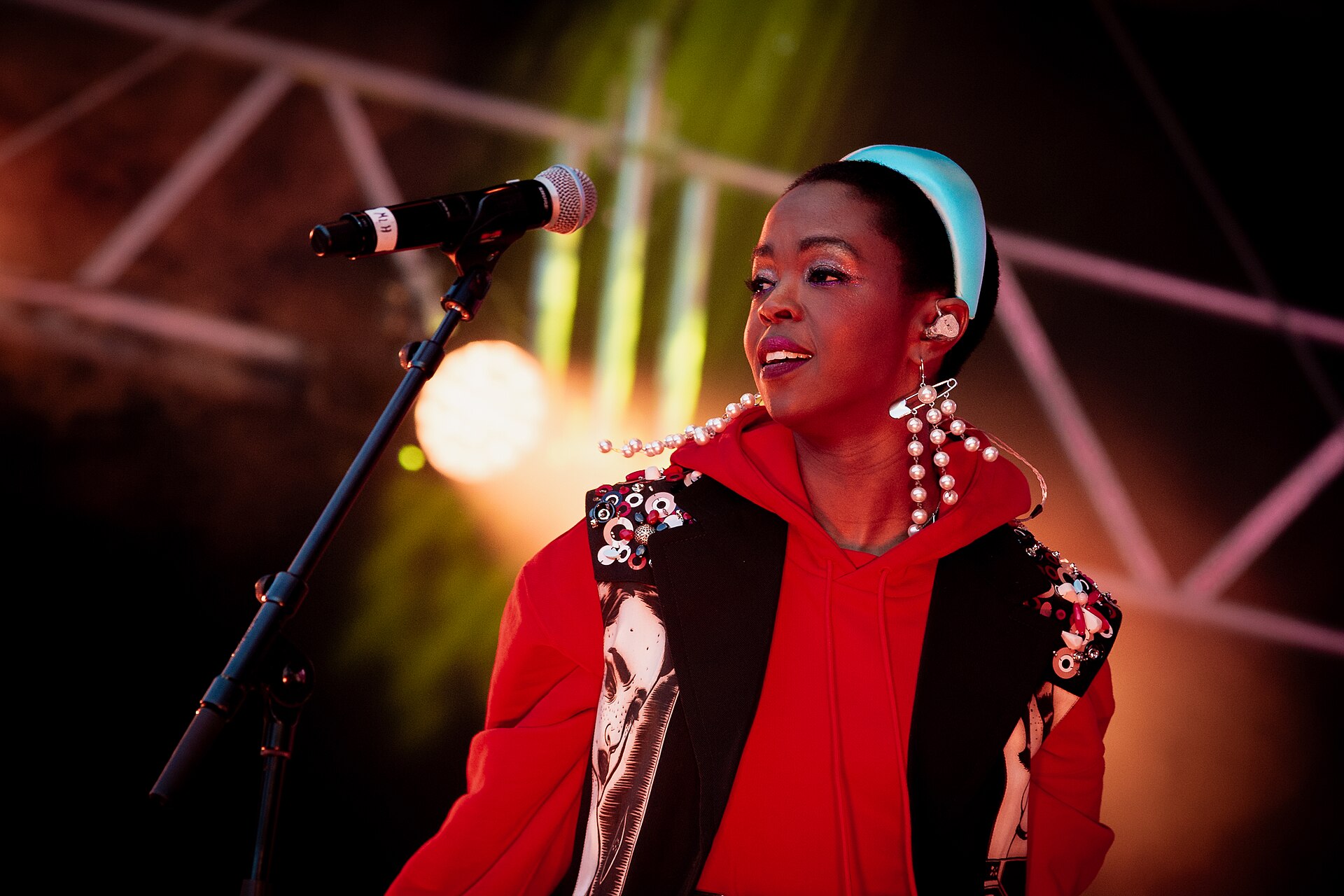
Image: Birgit Fostervold, CC BY-SA 4.0 via Wikimedia Commons
This article was produced with AI assistance and reviewed by our Editorial Desk. How we work.