Long before every celebrity had a side business, Jason Mraz bought a farm. In 2004, a few years before “I’m Yours” made him one of the most-played singers in the world, he took on an old avocado orchard in the hills of north San Diego County. Two decades later it is a working business, Mraz Family Farms, and one of the more unusual crops on it is coffee.
From orchard to farm
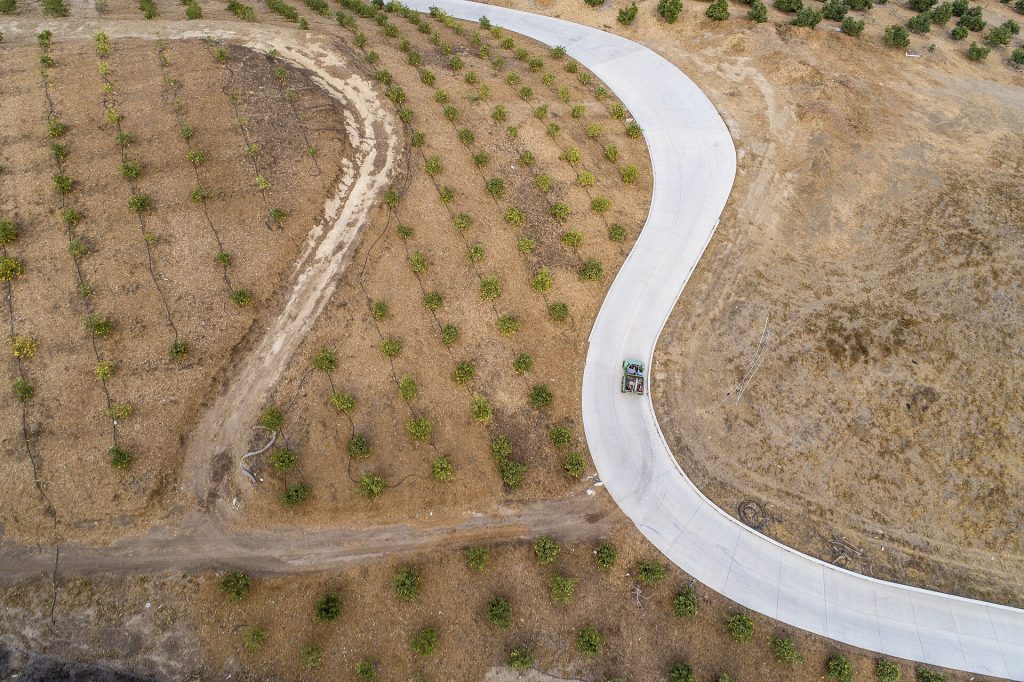
The property sits in South Morro Hills, on the eastern edge of Oceanside, a pocket of rolling hills long known for avocados. The orchard was converted into a fuller farming operation in 2015, run on organic and regenerative lines, with a full-time staff doing the daily work and the singer pitching in when he is home.
Avocados remain the backbone, alongside passion fruit and other subtropical crops. The surprise is what grows underneath them.
Coffee in California
Coffee is a tropical plant, and California is not usually thought of as coffee country. But the frost-free hills near the Southern California coast have turned out to suit it when it is sheltered, and a handful of farms have been experimenting with it, many working with a company called FRINJ Coffee that supplies plants, know-how and processing.
Mraz was one of the early growers. By 2021 he had around 3,500 coffee trees on the farm, of 11 different types, some approaching ten feet tall, planted among the avocado and banana trees. He described “a symbiosis or a relativity between the coffee and the avo that does really well”: the bigger trees give the coffee shade and shelter, and the coffee makes use of space between them.
He has also been candid that it is hard work. “It’s not easy to harvest,” he said, which anyone who has seen coffee cherries ripen unevenly on a branch will understand. Each one is picked by hand when it turns red.
Why it caught on
Stories about famous people and their land tend to focus on price tags. This one is more interesting than that: a musician who bought a farm before it was fashionable, kept it, and used it to test whether a crop most people associate with Ethiopia or Colombia can work in Southern California.
The answer so far seems to be yes, in small, expensive quantities. Whether California coffee ever moves beyond a niche will depend on growers finding enough labour and buyers willing to pay for something rare. For Mraz, it looks less like an investment than a way of life, and a good excuse to be outside.
Further reading
- Jason Mraz — Wikipedia
- Coffea arabica — Wikipedia
- Avocado — Wikipedia
- Oceanside, California — Wikipedia
Image: Lance Cheung/USDA, Public domain via Wikimedia Commons
This article was produced with AI assistance and reviewed by our Editorial Desk. How we work.