Jane Birkin got so carried away with the heavy breathing on "Je t'aime... moi non plus" that she was told to calm down. She overcorrected and briefly stopped breathing altogether, and, she said, "you can still hear that little gap" on the record, according to the song's history on Wikipedia.
That whispered 1969 duet with Serge Gainsbourg caused a scandal across Europe, and made chart history in Britain.
Written for Bardot, sung by Birkin
Gainsbourg wrote the song in late 1967 for his girlfriend at the time, Brigitte Bardot. After a disappointing date, she rang him and demanded, as penance, the most beautiful love song he could imagine. He wrote "Je t'aime" that night, and the two recorded it in a cramped glass booth in Paris. When word reached the press, her husband, Gunter Sachs, wanted it withdrawn. Bardot begged Gainsbourg to shelve it, and he did, grumbling that the first time he wrote a love song, "it's taken badly."
Then came Birkin. The English actress met Gainsbourg on the set of the film Slogan in 1968, and her Wikipedia biography says jealousy drove her to sing it: she did not want him sharing that intimacy in a studio with anyone else. He asked her to pitch her voice an octave above Bardot's.
Knives and forks down
The first public play was in a Paris restaurant right after the session. As it started, Birkin recalled, all you could hear were knives and forks being put down. "I think we have a hit record," Gainsbourg said.
The title riffs on a Salvador Dalí line, and Gainsbourg described the song as being about the hopelessness of physical love. The censors heard something simpler. The single came in a plain sleeve marked "forbidden to those under 21," and it was banned from radio in Spain, Sweden, Brazil, Italy and the United Kingdom, kept off French radio before 11 p.m., and denounced by the Vatican. Gainsbourg's reply was that the Pope was "our greatest PR man." In Italy, the head of the record label was jailed for offending public morality, as the song's reception record details.
The first banned No. 1
None of it stopped the sales. Fontana pulled the single in the UK after it reached No. 2 in September 1969. Gainsbourg moved it to Major Minor Records, and in October it hit No. 1, the first banned single to top the UK chart and the first in a foreign language. It stayed on the chart for 31 weeks and had sold about 6 million copies worldwide by 1996. In the US it stalled at No. 58, with limited airplay.
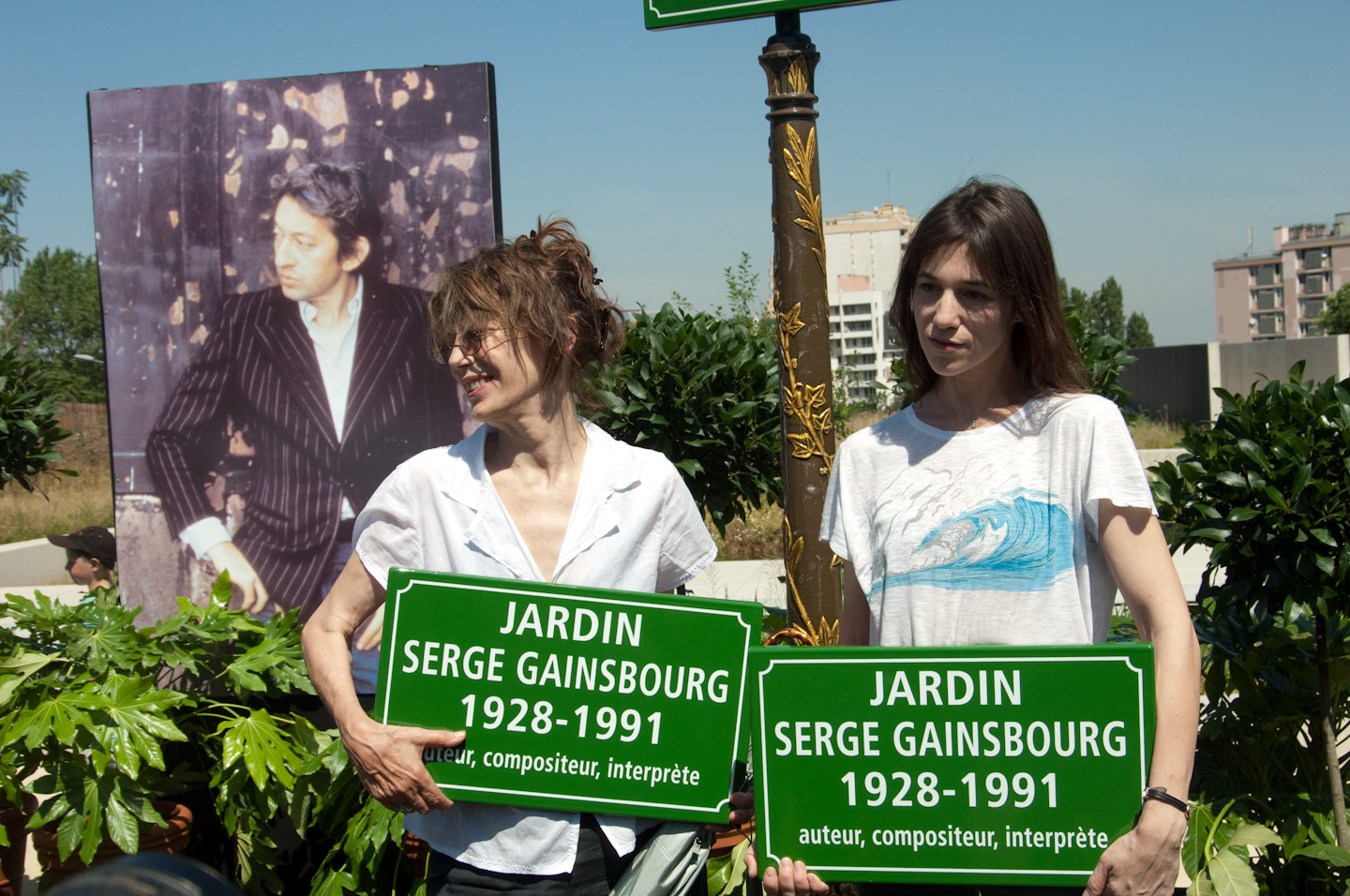
Birkin always shrugged at the fuss. "It wasn't a rude song at all," she said in 2004. "The English just didn't understand it." Gainsbourg, called one of the most important figures in French pop on his Wikipedia page, went on to direct her in a 1976 film named after the song.
Its echo reached disco: the track influenced Donna Summer's Love to Love You Baby, and for another unlikely British chart-topper, see how Ghost's pottery scene made Unchained Melody Britain's biggest single of 1990.
Sources
- Je t'aime... moi non plus, Wikipedia, 2026
- Jane Birkin, Wikipedia, 2026
- Serge Gainsbourg, Wikipedia, 2026
Image: Olivier Pacteau from Paris, France, CC BY 2.0 via Wikimedia Commons
This article was produced with AI assistance and reviewed by our Editorial Desk. How we work.