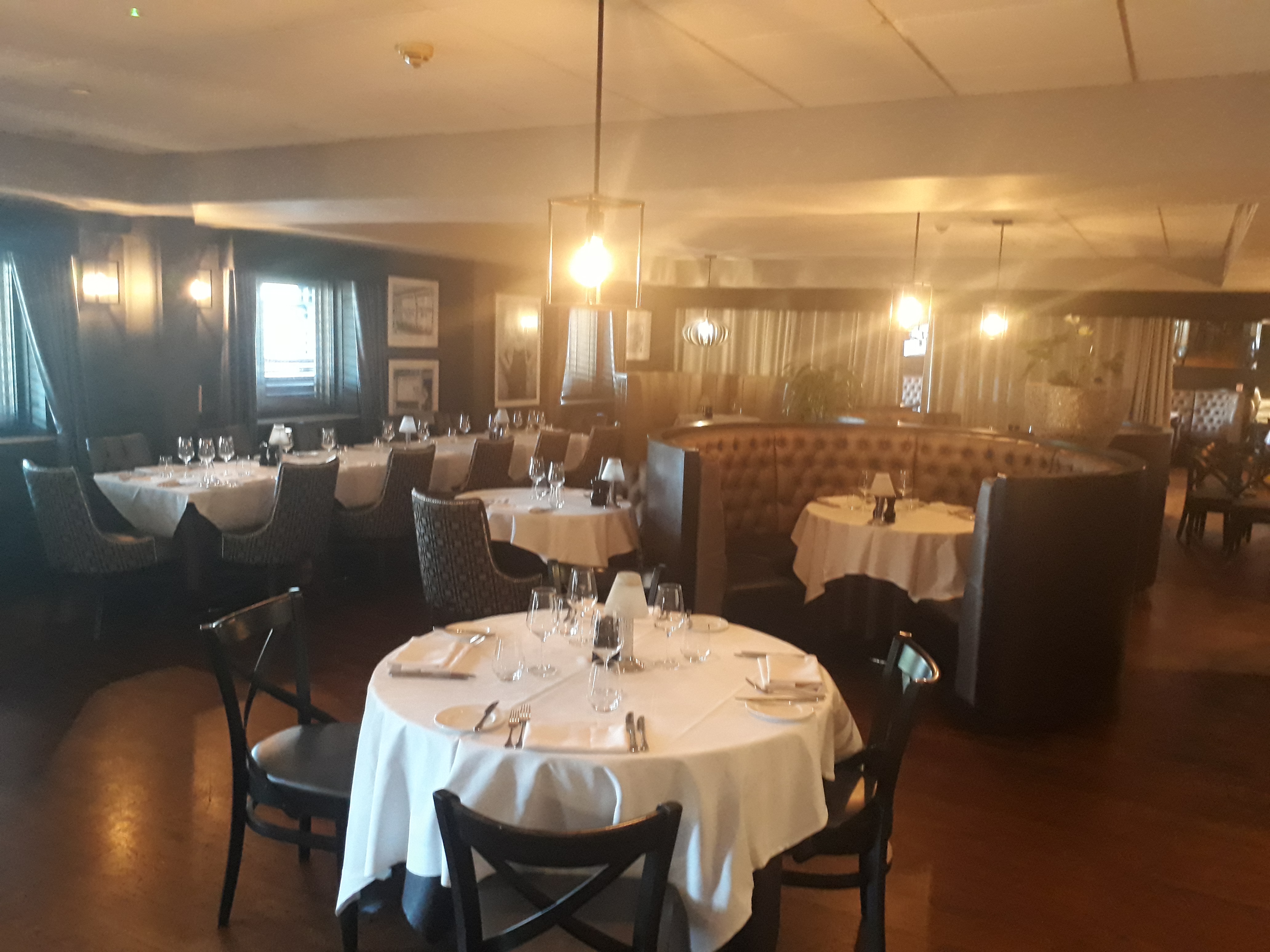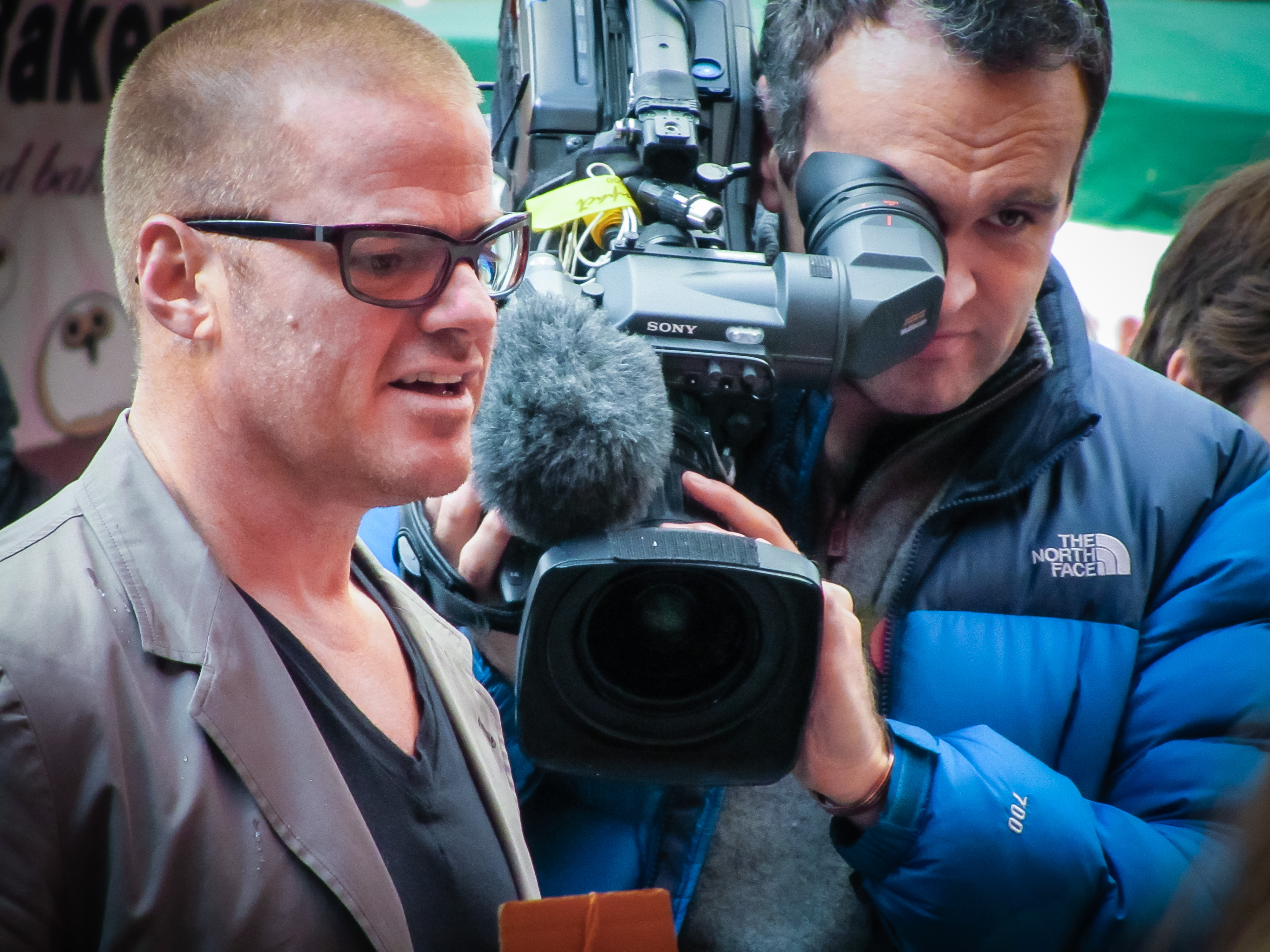
Heston Blumenthal opened The Fat Duck in 1995 in a run-down pub in Bray, Berkshire, with a staff of two: himself and a dishwasher. Nine years later it had three Michelin stars, and in November 2026 its founder is back on screen in Rise of the Rockstar Chef, a three-part documentary that reunites him with Marco Pierre White and Gordon Ramsay for the first time in decades.
The restaurant itself has been marking its 30th year. The Fat Duck’s own anniversary note describes 1995 as the moment it opened “as a simple bistro,” serving dishes such as lemon tart and steak with chips.
The chip that came first
Blumenthal’s best-known invention predates the restaurant. The Fat Duck dates his triple-cooked chips to 1993, two years before the doors opened. His Wikipedia biography says the method was developed to stop the potato from going soft, and the chips were already on the bistro menu in the first year.
The idea that set him off is one many home cooks still get wrong. For decades the standard advice said searing meat seals in its juices. The restaurant’s history says Blumenthal read that “searing does not seal” and decided to question everything. His biography traces that to Harold McGee’s book On Food and Cooking, which he read in the mid-1980s while teaching himself the French classics.
Nine years from bistro to three stars
The climb was quick on paper and brutal in practice. The Fat Duck nearly went bankrupt early on, and Blumenthal sold his house and car to keep it open. Here is how the stars arrived:
- 1995: opens in Bray as a French-style bistro
- 1999: first Michelin star, four years in
- 2001: second star
- 2004: third star, nine years after opening
- 2005: named the world’s best restaurant
Even the third star did not fix the money. When it came, he has said, he had only enough cash to cover the next week’s staff wages.
A chef who publishes papers
Blumenthal’s reputation rests on treating the kitchen like a lab. In 2007 he was a co-author, with food scientists at the University of Reading, of a paper in the Journal of Agricultural and Food Chemistry comparing glutamic acid levels in the flesh and the seed pulp of tomatoes and how each relates to umami taste. Reading had given him an honorary Doctor of Science degree the year before, and the Royal Society of Chemistry made him its first chef honorary fellow.
His menus turned that research into theater. Sound of the Sea, which first appeared at The Fat Duck in 2007, is served with headphones playing waves and gulls. Meat Fruit, a chicken liver mousse made to look like a mandarin, became the signature of Dinner, his London restaurant that opened in January 2011.
Where his restaurants stand
Today the group lists The Fat Duck, Dinner by Heston in London and Dubai, and the Hinds Head pub in Bray. For other chefs and kitchen stories, browse more food stories in Badiyaa’s Lifestyle section.
Blumenthal turned 60 on May 27 this year. His coat of arms, granted in 2013, carries a two-word motto that sums up the 1993 chip and everything since: Question Everything.
Sources
- Celebrating 30 years of Heston Blumenthal OBE and The Fat Duck, The Fat Duck, 2026
- Heston Blumenthal, Wikipedia, 2026
- “Differences in Glutamic Acid and 5′-Ribonucleotide Contents between Flesh and Pulp of Tomatoes and the Relationship with Umami Taste”, Journal of Agricultural and Food Chemistry (University of Reading, The Fat Duck), 2007
Image: Garry Knight, CC BY-SA 2.0 via Wikimedia Commons
This article was produced with AI assistance and reviewed by our Editorial Desk. How we work.