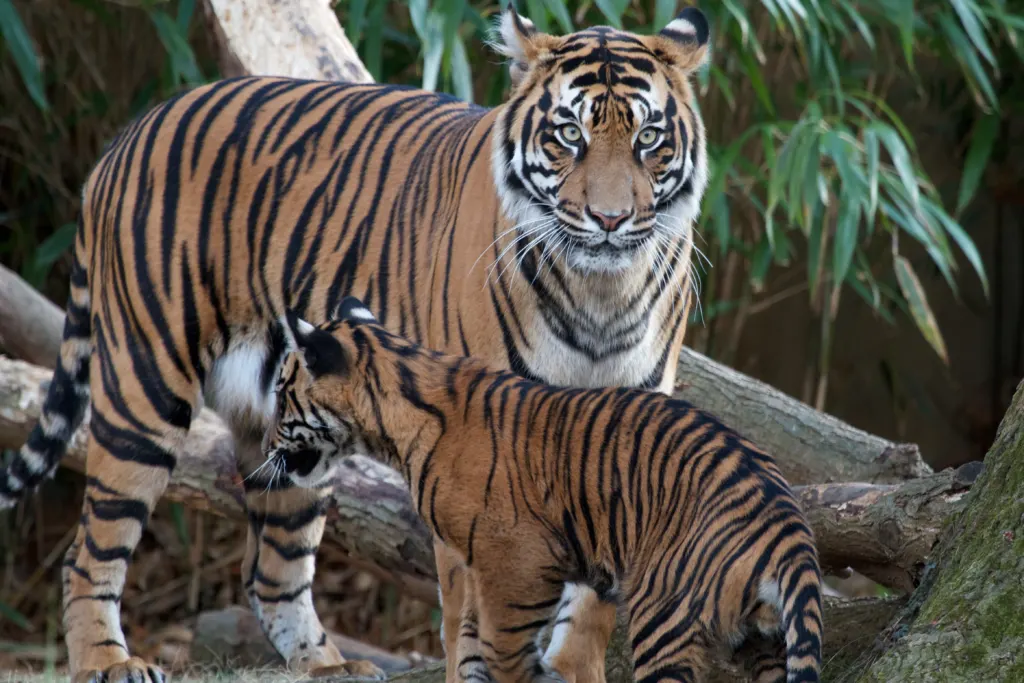
The Fort Worth Zoo in Texas is preparing two Sumatran tiger sisters, Barani and Malu, for their first public appearance after announcing their births on October 2. They are the first Sumatran tigers ever born at the zoo and its first tiger cubs of any kind since a Malayan litter in 2008. Their mother, Ndari, had never raised cubs before; their father is Rakan. Both cubs arrived on July 1.
Why two cubs matter for a tiger with fewer than 650 left
The International Union for Conservation of Nature puts the wild population at fewer than 650, mostly lost to habitat loss and deforestation. Earlier counts show the slide: about 1,000 tigers estimated in 1978, around 800 in protected areas in 1985, and an estimate of 618, with a wide margin of plus or minus 290, in 2017. Sumatran tigers are now the only tigers left on Indonesia’s Sunda Islands, since the Bali and Javan tigers died out in the 20th century.
Fort Worth breeds them under a cooperative program with other North American zoos that manages pairings for genetic diversity, and the sisters will join that managed population. The births also test a recent investment. The zoo’s Predators of Asia and Africa tiger habitat opened in 2023 at double its earlier size with a renovated barn, and Barani and Malu are the first cubs born in it. Keepers want to be sure they are strong enough to handle the new yard before they go out in front of visitors.
From 4 pounds to 20 in three months
At one week old each cub weighed about 3 to 4 pounds and measured 10 to 12 inches long, the zoo said. By 12 weeks they were 18 and 20 pounds and roughly 25 to 29 inches long. That is about a fivefold to sixfold gain in weight in under three months. For scale, an adult female Sumatran tiger weighs about 165 to 243 pounds (75 to 110 kg) according to published measurements, so at 12 weeks the sisters carried roughly a tenth of a grown female’s weight.
Keepers have kept the family behind the scenes so far. In that time the cubs learned to run, jump and climb, started on meat, got their first exposure to water and practiced their balance. Ndari, new to motherhood, has done what keepers hope to see: she nurses them often, grooms them, plays with them and carries them around the den.
Names that describe two very different cats
Keepers chose names from Indonesian languages, a nod to Sumatra, the island the subspecies comes from, and matched them to temperament. Barani, the smaller sister, means “brave”; keepers call her a “spitfire” who starts most of the play-fights. Malu means “shy or reserved,” and she tends to slip off on her own to nap in a neighboring barn stall.
“It’s always exciting to welcome new babies and watch them grow here at the Zoo,” zoo chairman Ramona Bass said in the announcement, adding that the zoo hopes the cubs inspire people to care about “the future of this critically endangered species.”
When you might see them
On October 2 the zoo said it hoped the sisters would make their public debut “in the coming weeks,” and that it would post the date on its website and social media channels. No date had been given at the time of the announcement, so check those channels before planning a trip. The sisters turn 16 weeks old on Wednesday, October 21.
Further reading
Image: Brian Gratwicke, CC BY 2.0 via Wikimedia Commons
This article was produced with AI assistance and reviewed by our Editorial Desk. How we work.
Spot an error? Help verify this story
The story in 5 slides